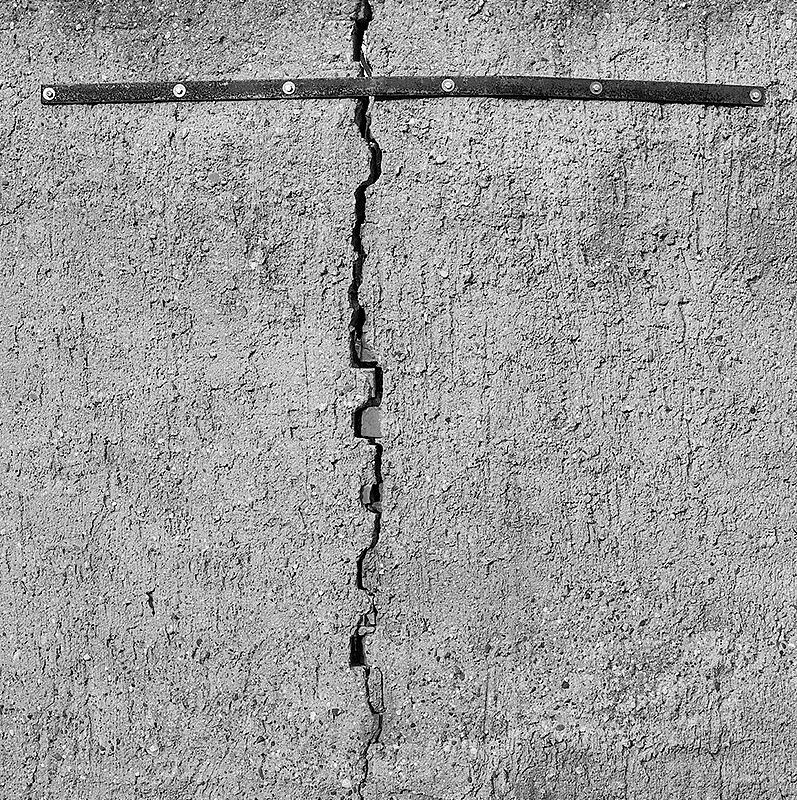
 The ideas of usefulness and aesthetic appearance often come into conflict over time in architecture. Decay, cracks, erosion, and palimpsests of change clash and defy our natural sense of wholeness when we look at buildings that have persisted over decades, if not centuries. I am thinking particularly of 19th and early 20th-century buildings, those that have not been applied for the historical blue plaque, graded and listed buildings that tourists occasionally spot, notified of it being the birthplace of a famous musician or writer, which, of course, is the majority of those buildings. Instead, these unremarked edifices are caught observing with their bizarre patchwork of cement repairs, their dangling ganglia of wiring hanging from odd angles, and their strange mismatch of window casements that look out of place and forced into the original facade to ensure against the harsh climates of the present, yet look utterly and unapologetically out of place. Satellite dishes half haphazardly off of red brick, rusted, and out of use, but not to be removed from their perch on the side of the house. Rusted letterboxes hang casually to one side, creaking as owners check for bank notifications and the errant local pizza or kebab advertisement shoved callously inside the precarious object by some underpaid flyer-stuffing immigrant, with their time spent dodging dogs and the wrath of territorial owners.
These buildings are particularly noticeable along the former upkept utility of towns that once had thriving mines, row houses, now hidden under coagulated plaster and cement repairs were shelters for the coal-stricken miners and their families who used to bring prosperity to the region at grave personal imperilment, the threat of gaseous fumes rendering their bodies unconcious or worse, the dark fate of being left to die in a partially collapsed mine shaft. These homes, though simple, effectively gave laborers a place to sleep, smoke like chimneys, and raise generations of children desperate to avoid the same mines in which Papa lost his leg. These homes, and the civic building they were attached to, the bureaucracy hubs for social services, unemployment, and medical insurance, have been left vacant as the minbe’s refused to give, and these small flatland towns lost their original purpose or ability to hold inhabitants as children flee from rural boredom and factory work to urban centers and a chance at what was once considered prosperity, now limited by the progress of technology and the high costs associated with our new fifedom. The cities, paved with gold, dripping with honey, are no longer the make-it-until-you-break-it epicenters; instead, they have become an albatross, a playground for grifters and the wealthy.

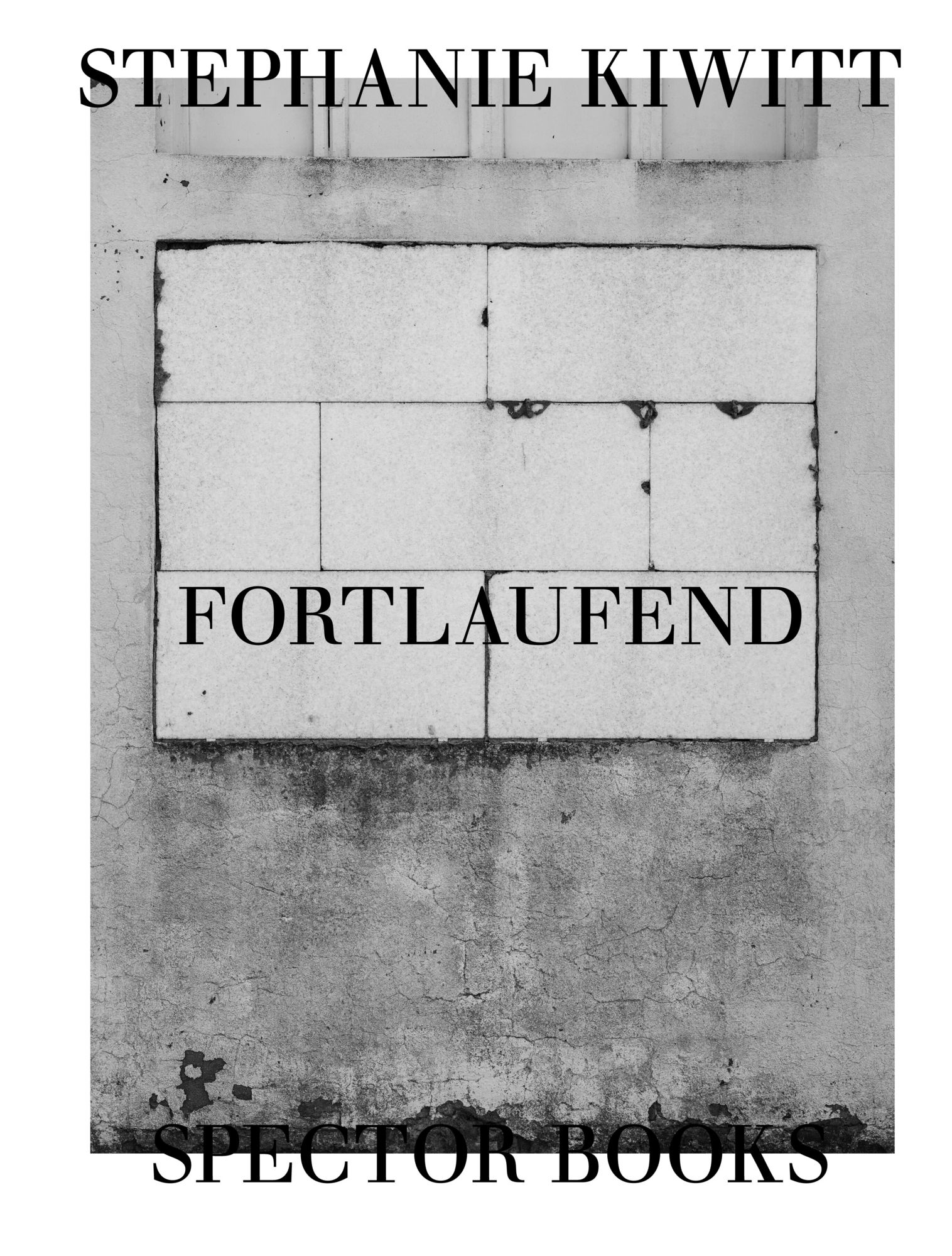
With all of this aside, there have been accusations pointed in my direction of what has been called post-industrial gloaming, a way to see the de-industrialization in contemporary society as a type of ruin porn, a lament for toxicity and bad air, a lament for work, a lament for purpose, and a lament against technifeudalism and a championing of a form of aesthetic or subjective ludditism. Of course, I think that is a stretch, but I cannot help but feel part of an age in which these subjects matter, and they seem to matter further as we slide into the morass of joblessness, purposelessness, and uncertainty in the age of AI and robotics. What will we do with all of this -non-exertion? What will towns on the periphery do with themselves as the paint peels? Do we need more poets? Where does our toil meet our utility as a species? All of these questions persist when I look at Stephanie Kiwitt’s Forlaufend, published by Spector Books. This volume of hinterlands, passageways, crumbling brick, and architectural palimpsests reminds me of city-examiner Stephan Keppler in places, but overall, I am convinced by Kiwitt’s constant examination of these marginal post-industrial geographies that we are on the precipice of erasure of our humanity and our purpose. I do not qualify that as the intention of the work, but how I feel when I examine her observations of form, of trace, and of the ephemeral decline of working society through its architectural elements.
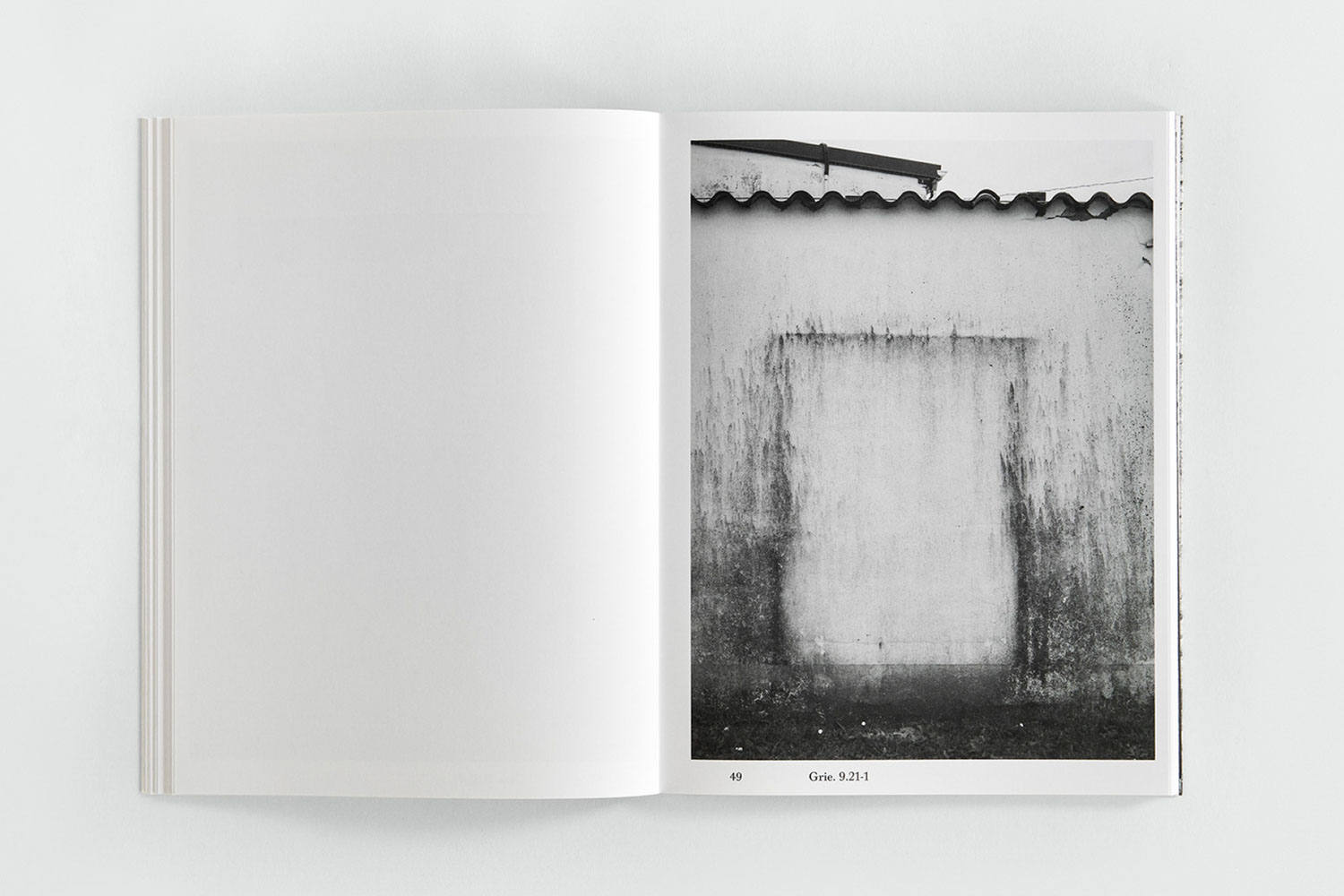
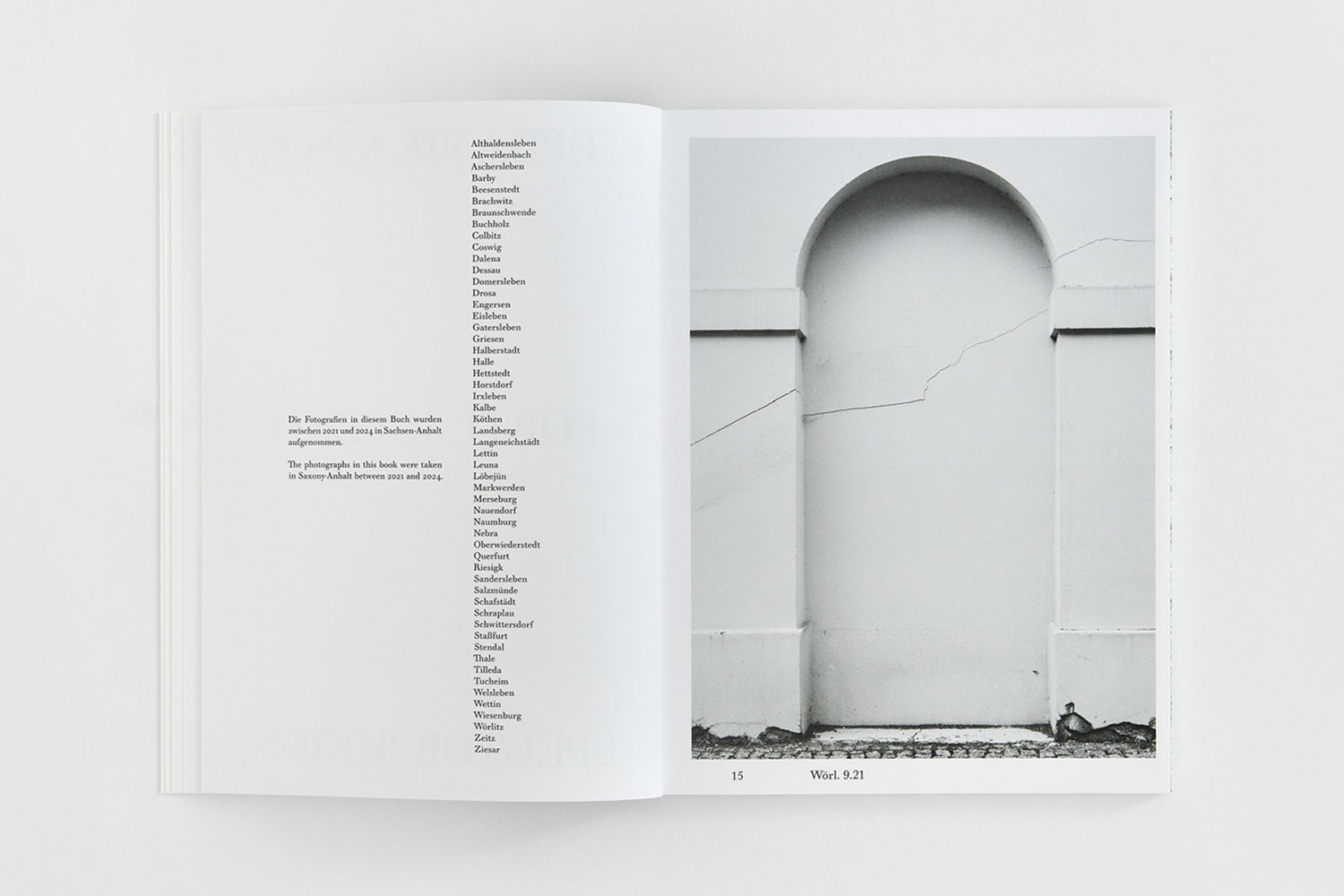 Most of the photographs in the book examine the Saxony-Anhalt region of Germany. It is a continuation of her Flächenland work in that it has become an encyclopedia of these areas, both cartographically/topographically, and now in part measured by the decision to photograph the elements, both sculptural and in detail, which changes the prescription from Flächenland somewhat, moving from color to black and white while also looking from a distance, to something more scrutinizing and up-close in this volume. I relish projects like this that are ongoing and dense. I can also suggest Aleix Plademunt’s recent survey Site (also SPector Books) as a project that feels in tune with this work, though the source material varies. These thick compendia of observation and associations present very compelling arguments for durational projects. I have been following Kiwitt since her Maj book, which I still see as brilliant and not that far removed from theoretical territory compared with Flächenland and Forlaufend. This volume presents a brilliant continuation, and the expansive use of work spread across multiple volumes is something I find fresh and offers an interesting turn in the artist’s work. You do not need both volumes per se, but it is a bit of a shame to understand one without the other. Go get it!