The idea of the outsider is fascinating in photography. On one hand, the audience for photography loves a surprise story, one that challenges the canon and one that appears to materialize out of nowhere, without precedent, and shaped from the margins of conventions. What is fascinating is the tendency to think such things are less common than they really are. Armies of very talented amateurs have been working in photography since its inception. Many bodies of work lie hidden in shoe boxes and attics, passed down from generation to generation, with each successive inheritor not knowing exactly what to do with their great-grandmother’s or grandfather’s trove of material.
Sometimes there is a lack of interest in even opening boxes, but that seems to be changing very slowly, and I mean glacially, as foundations begin popping up, such as the Eidolon Center in Budapest, or the Walther Collection in Ulm, Germany, that place heavy emphasis on the vernacular and quotidien uses of the medium. More than one trove of photography has become a market spectacle, with both Miroslav Tichý and Vivian Meier, from Czechia and America, respectively. In some cases, one, if they have any traction in the world of exchanging vintage images, as I do, gets the sense that some of the mythology created around some of the work overshadows its merit. That is not to suggest those artists do not bear scrutiny; they do, but in Maier’s case in particular, I struggle to see the work at the value it has become both culturally and economically. Since watching the original auction they came from, I get the sense that a market sensibility has been pursued to legal ends, and that printing the photographs from the negatives gives the eerie feeling that it is not so different from the treasury in aim.
I have never thought the work was that strong, though; the documentaries and biographies would suggest otherwise. AS a dealer of vintage photography, I have handled quite a bit of material over the years and know that troves of work like this may not have been the norm, but they are certainly not as much of an outlier as one would think; after all, they are products of their times, and many photographs were made particularly in the 20th Century, when the prices of materials came down, with a serious emphasis placed on amateurism in everyday analog photography. When it lost the appeal of bourgeois and became everyday, the medium experienced its biggest broadening of possibility, as many voices, not the economically advantaged few, had dominion over the surplus of imagery and would create, often in private worlds devoted to their obsessions, passions, etc. At least that is my take. Every once in a while, one of these collections gets remembered, recalled, or found, and it sparks discussion about what makes the broader canon of photography great.
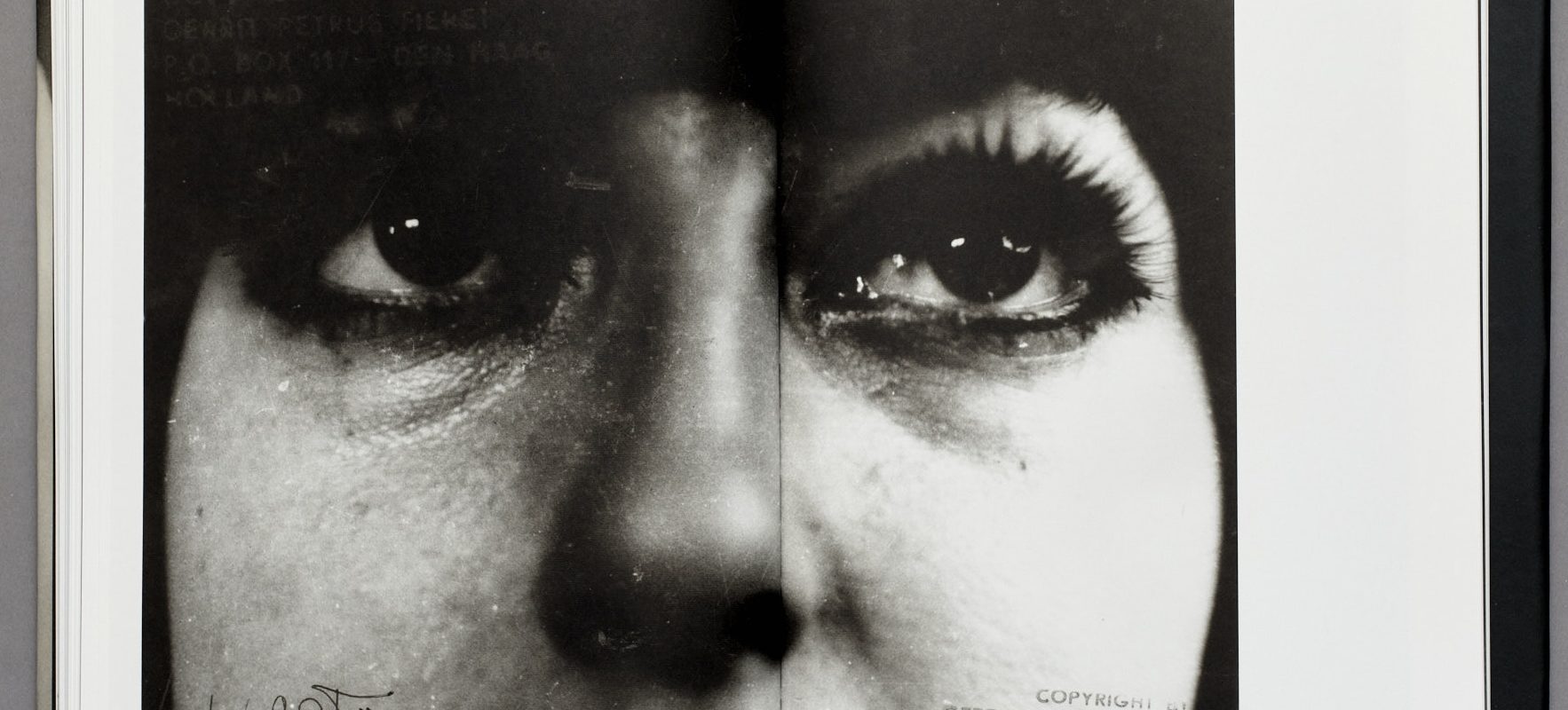
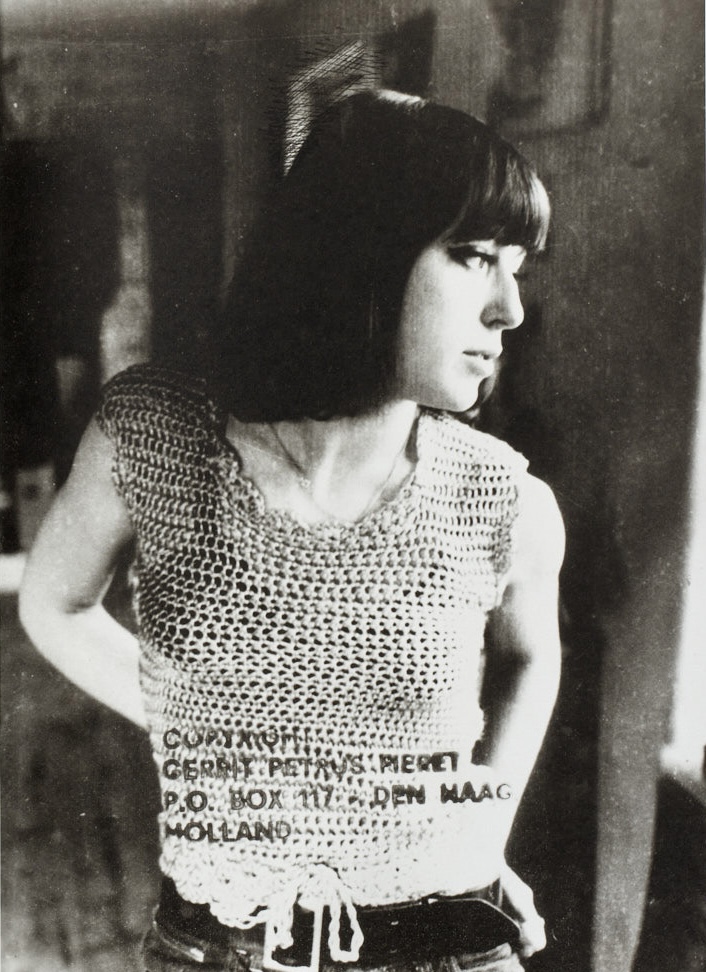
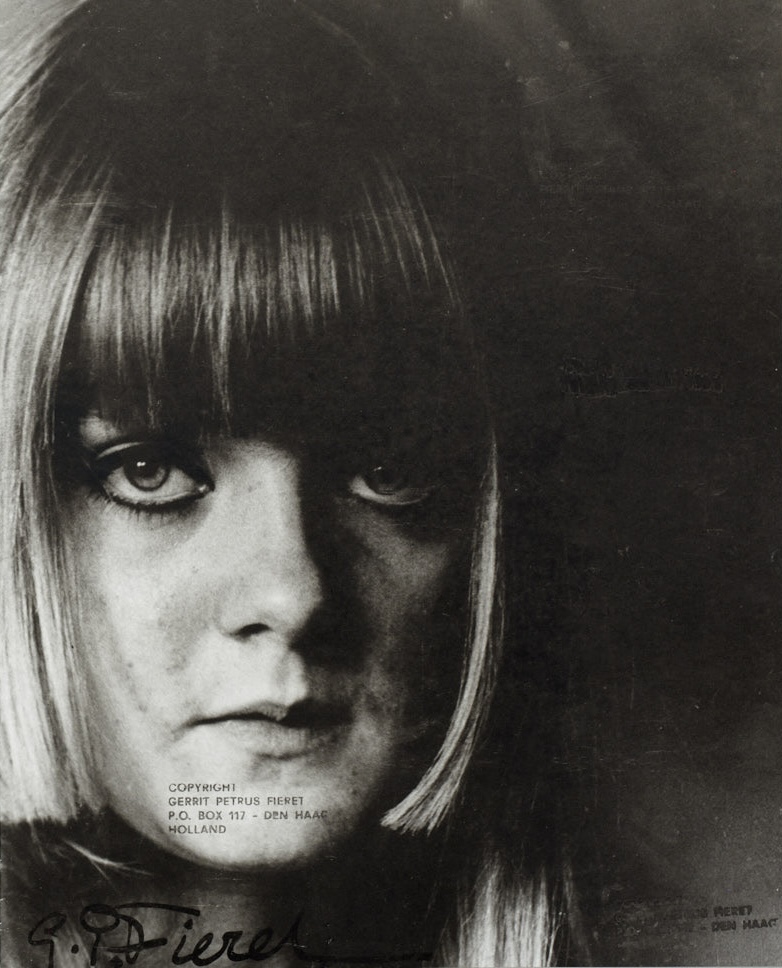
In the case of G.P. Fieret, it is not so much that the artist had been unacknowledged in his lifetime. In fact, he was known as an artist, poet, and general renegade in post-war Holland during a time of reconstruction, but also political imbalance, particularly in the 1960s and 70s, when he was making a large amount of his work, which included many images, scratchy, deteriorated, and decomposing, of friends, lovers, children, and so on. What makes his practice close to that of Miroslav Tichý is that both artists had an affinity for error, dissolution, and imperfection in their work, which arguably heightened the psychological condition of viewing the work through the prism of doubt and anxiety-a not uncommon trait in post-war Europe.
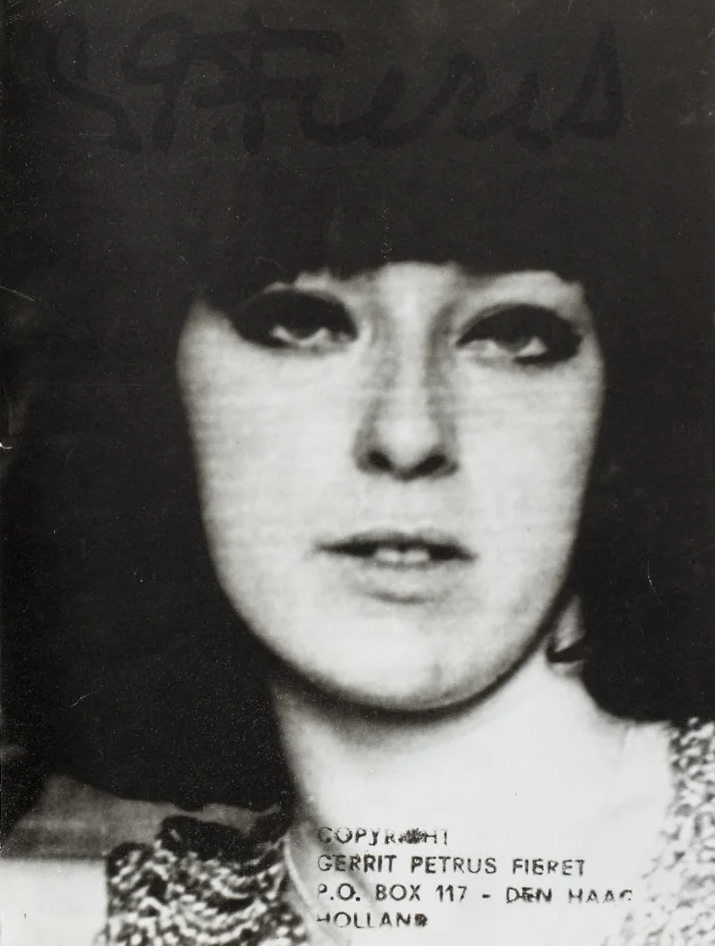
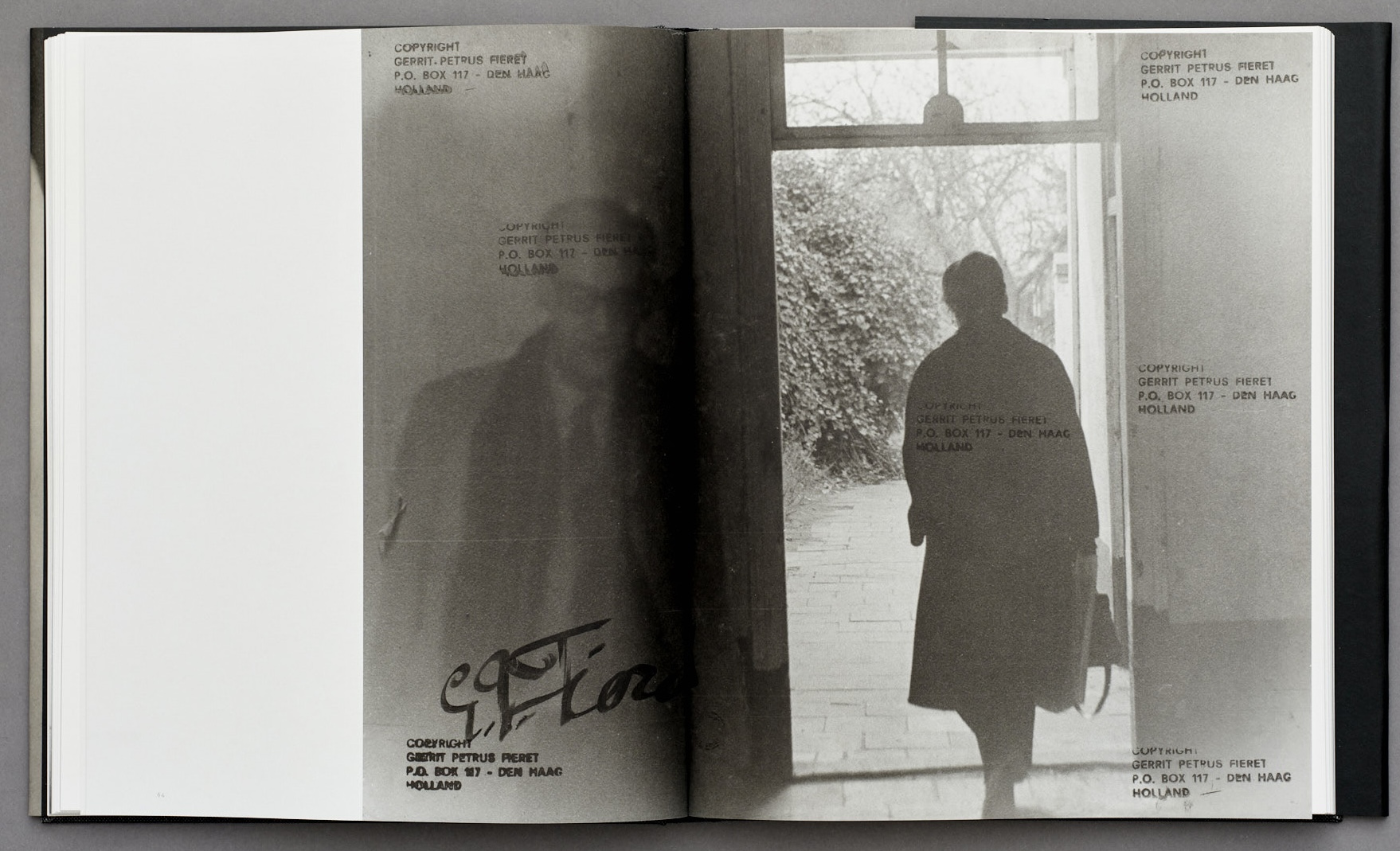
In Fieret’s case, what made his obsessive portraiture even more interesting than Tichý’s was his use of stamps to imprint authorship with an incredibly deft stamp, or series of stamps, or series of stamps with signatures. This decision to use his name as an aesthetic characteristic of the work on the front of his often large silver prints is uncommon and makes one think of an early form of branding, but branding through an outsider appeal that suggests naiveté while, in fact, deliberately imposing authority over the subject and object of the photograph itself. In Fieret’s case, the work feels unique in this regard, recalling the stamps that Japanese artists sometimes insist on in printmaking, etc. Or, if we stretch the branding plausibility, a nod toward the art as an extension of the artist found in the work of Andy Warhol, or Duchamp before him. The stamping or overstamping of the artist’s name suggests recognizing the work as art on a level not usually associated with photography at the time. It asks the viewer to see it as relative to any other medium.
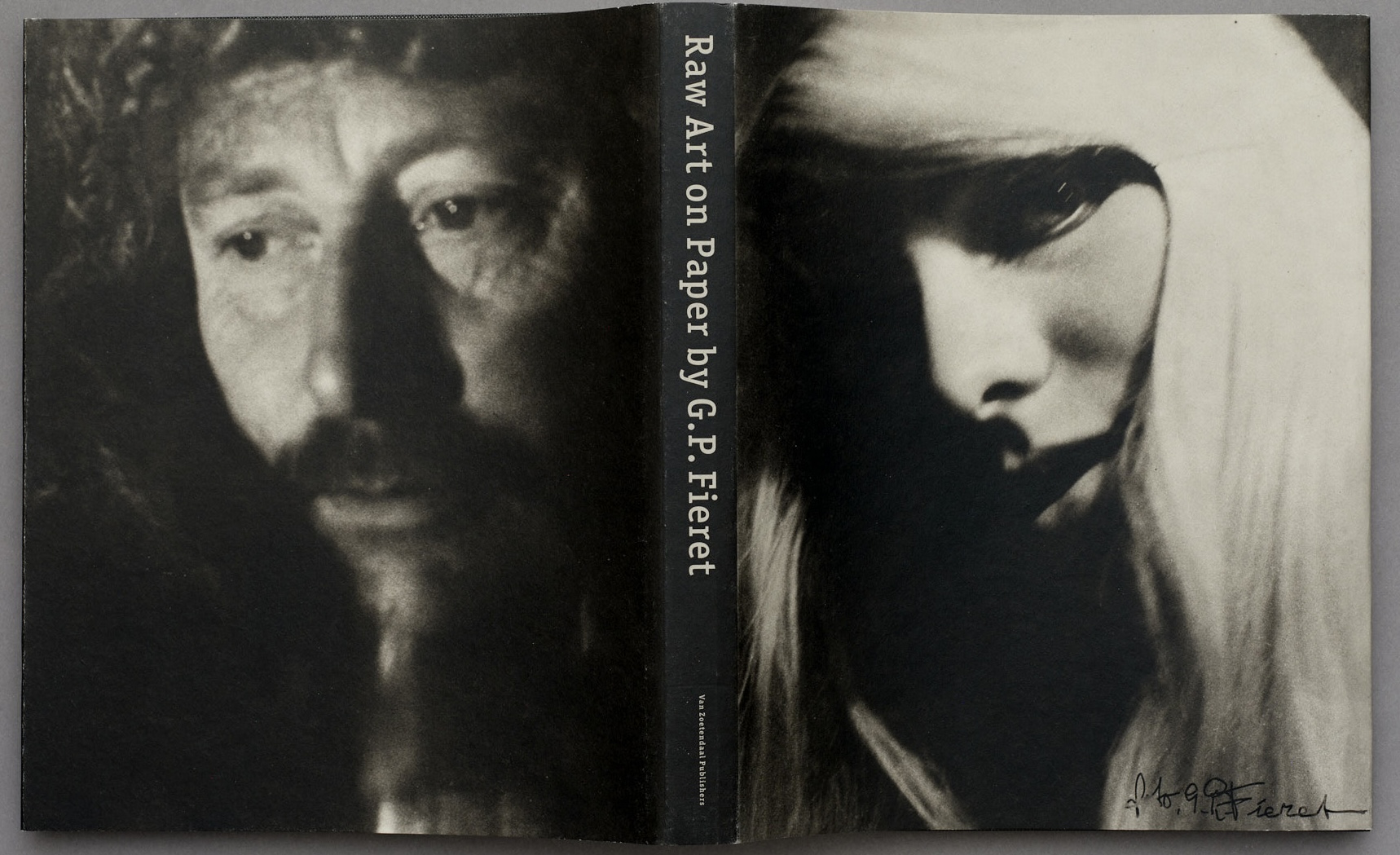
Raw Art on Paper, published by eminent publisher Van Zoetendahl Publishers, is an exceptional catalog of Fiete’s work. Whereas previous catalogs, notably the eponymous Le Bal Catalog from 2016, give grateful context to the work, the larger size of this book helps us, even if diminished by the size of many of the prints, to understand the prints at a slightly larger size, which allows the eye to ponder the surface of the photographs, to understand the axiom of their degraded power, allowing the mind to comprehend why the stamps, and the scratches, dust, and imperfections help translate the otherwise seemingly normal conquests of the artist’s desires into something unique and worthy of a broader conversation. For these reasons, the book is a great, monumental homage to a relatively unknown artist who deserves broader discussion. Highest recommendation, as usual, for Van Zoetendahl publications.
G. P. Fieret
Van Zoetendahl Publishers