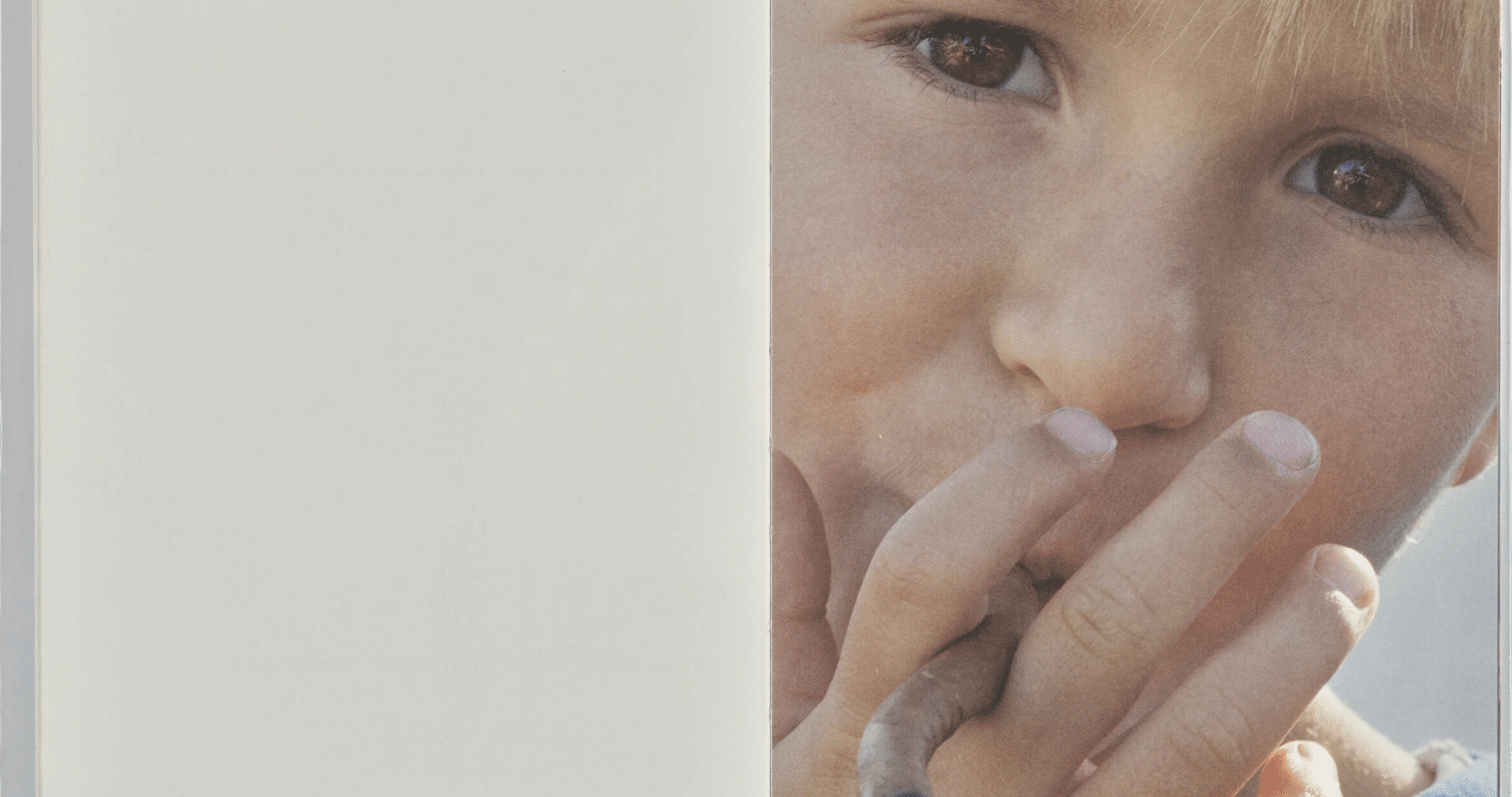
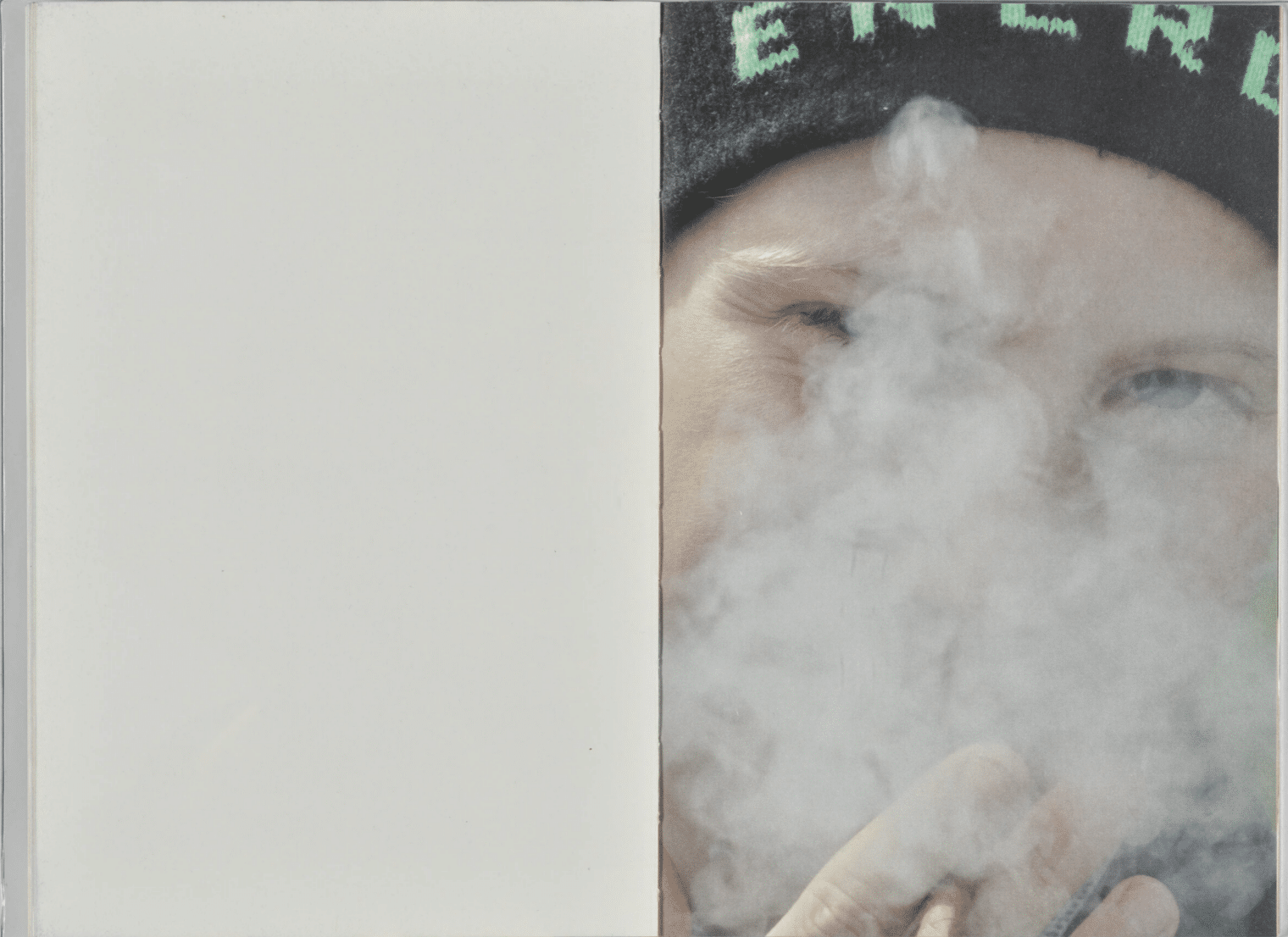
Toxic typology or cultural analysis of Swiss Agro-society, you be the judges. Either way, these little uns gunna smoke these here heaters until the cows come home. There is an amazing history of smoking in photography that Lucy Sante first cottoned onto sometime in the early 2000s with her book No Smoking. Several other smoking books have appeared since, most notably Ed Templeton’s Teenage Smokers and Thomas Sauvins Until Death Do Us Part, each outlining the cherished traditions of smoking in America and China. I won’t lie, I love smoking. I don’t do it as often as I should. Given the world that we live in, bordering on a technological and genocidal landscape, I find the act of smoking a bit of an act of defiance, the way it should be. I mean, everything is pretty much surveilled, we are cultivated not for our abilities in the humanities, or our creative endeavors, but for some mysterious and imagined idea of ecopnomy where we can be taxed to death with a an average lifespan indicating how much capitalism can extract from us, so why not, if were going down with the zhip at least make it expensive for them to keep our worker bodies in the shape necessary to produce and put a strain on their health services where applicable.
 Smoking is indeed terrible for you, but think of how many people I have not killed when I smoked? I do believe there was a correlation in my youth where smoking actually gave me the peace I needed from reaching out to strangle someone. Instead of seeing smoking as a prelude to prison, see it as a prophylactic against homicide- a veritable cockblock to killing. Since becoming a father, my deepest regret is that I shield my kid from my habits and only smoke while on the road, which is infrequent at best. Fuck it, light em’ if you got ’em’. Let that secondhand smoke worm its way into untold lungs, cast a thick grey-veilked net across the sky, knock off part of the mosquito population if we’re lucky, I mean, what do those losers even contribute to the world, anyways?
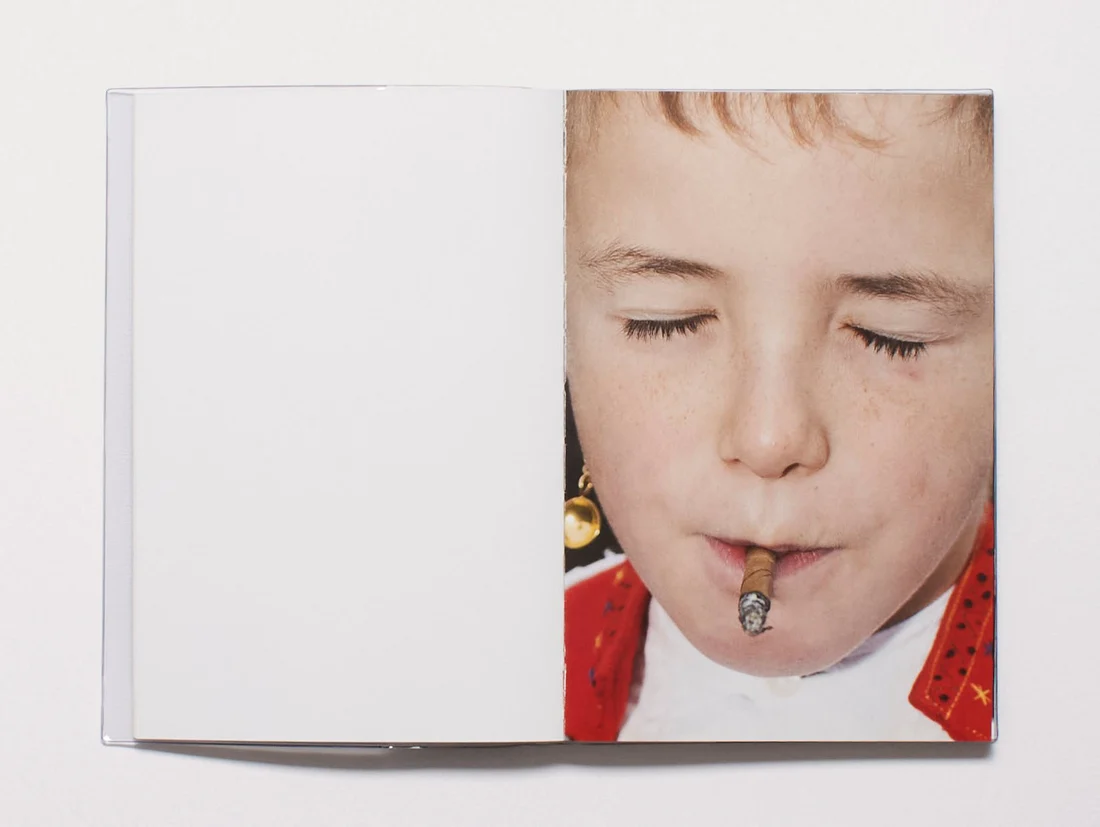
The right to smoke, the need to smoke, the urge to NOT kill should be celebrated more widely. Why should we be shocked about how our society understands its relationship to nicotine anyway, when we’re tethered, manacled even to social media, 24-hour newscycles, and a blistering myopia that disincentivizes original thinking for influencer dividends, paid out in broad measure to some faceless cracker sitting atop the food chain. Is that a Chesterfield? I sit here with egg on my face. The Gordian knot of homeopathy and vagina-scented candles ruining the long-distance sight of my third eye, a useless tricyclops held hostage to some new fad, some craze for a modern kitchen filled with tasteless garbage passing itself off as the greens. Fuck you, and fuck your turnip-cinnamon baked potato crisps
Kris Lüdi’s Smoke (Edition Patrick Frey, 2026) follows the annual tradition of cow judging in the beautiful alpine villages of Switzerland. Ahh, to be born Swiss, Jackpot. The book follows the children of the Appenzell villages as they smoke their way around the festivals that honor animal husbandry and agriculture. Permission is granted for this event, as it signifies the deep, personal relationship the communities have with the land and their livestock. It is a signal (smoke) of the country’s agricultural and tobacco production history, but also signifies an understanding that young people will inherit the future of local production through their labor. It is a custom that spans generations, and accepting the kids’ will to puff is part of the generational exchange between grandparents, parents, and the kids. Is it weird to look at? Fuck yea? Is it our place to judge local customs and cultural legacy? Hell no! I, for one, think that, given our concerns for children, we might need to worry more about those islands, files, pizzas, and gates than whether a kid wants to fire up a heater once a year while hanging out with his cow and family.
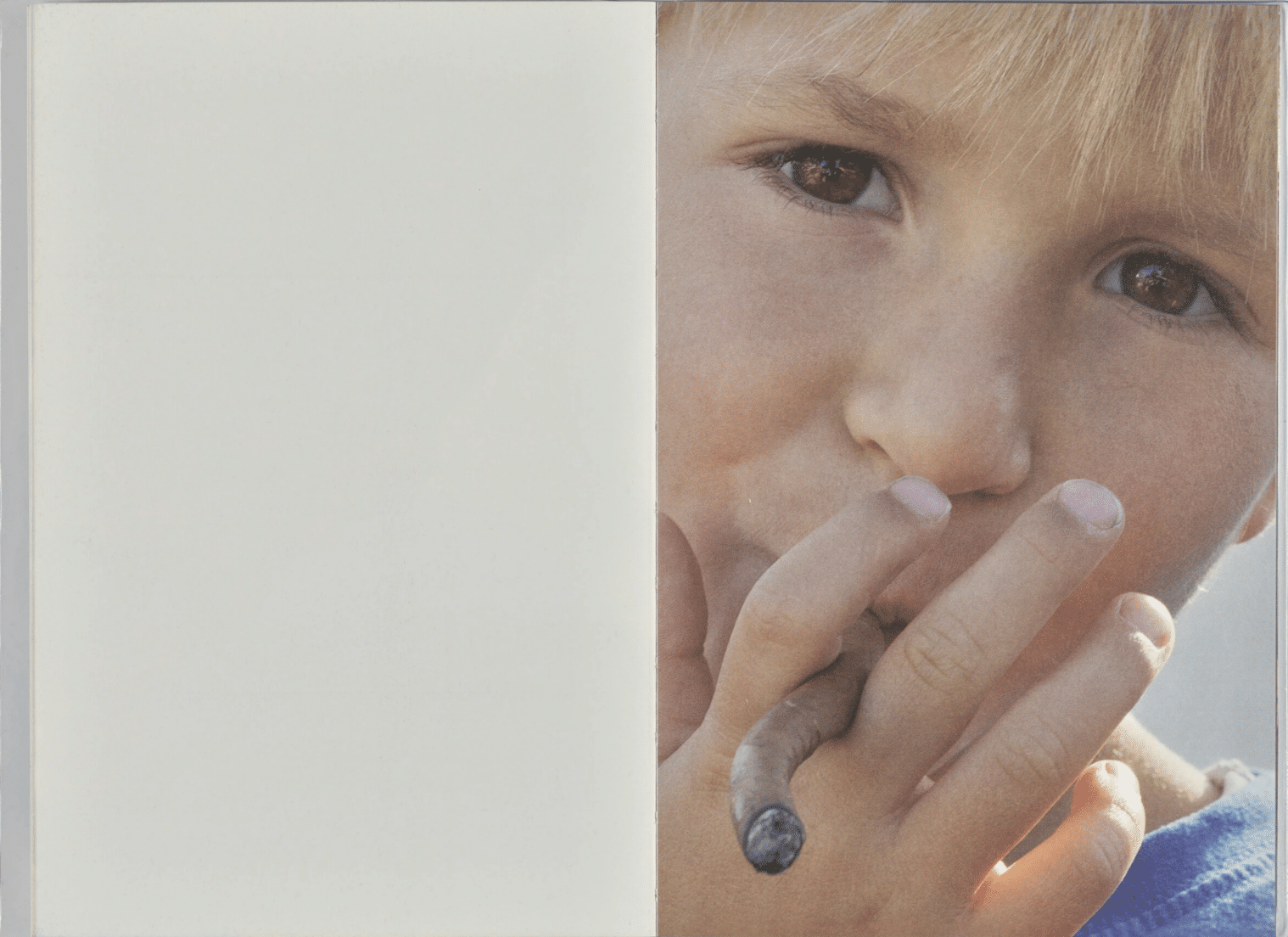
Throughout the book, Lüdi concentrates ont the faces of the kids. I am reminded of Jurgen Teller’s tight crops in Go See‘s and think the work overall is fun, and is slightly shocking until you get through the book once, then there is kind of a strange endearment that forms with the little bastards choking down a stogie and it makes me, above all, wanna slump against the barn wall with these little shits and talk about our woes over a coffin nail. I feel like we might get each other, might go something like this- “I gotta boil on my ass the size of Pittsburg, kid” “(but in German/French) “Don’t even get me started, old man, last week Billy stole my Pokémon cards and tried to give me a wedgie after gym class, before Urs kicked him in the sack for me in the locker room. He’s been pissing blood for a few days, but that’s his problem, shoulda never fucked with me“. At least that’s how it plays out in my head.
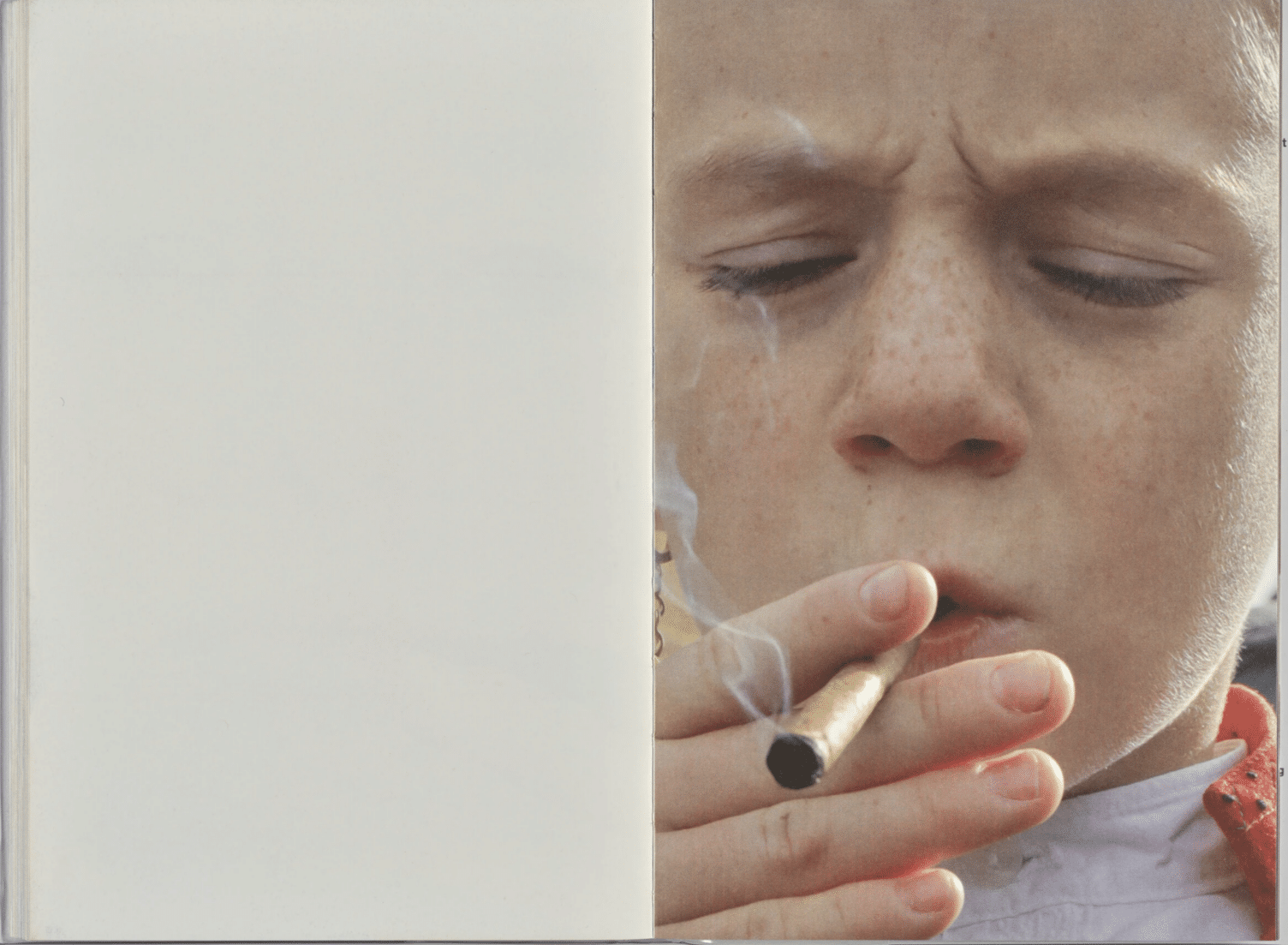
Overall, I think the book is really excellent. I like that it has a background to it and that it presents as a little bit shocking, but then I like how it settles in and I feel like I was born int he wrong country and that somehow this sort of cultural tradition might have decent side affects overall, keeping generations close, and refuting the modern obligation to see every fucking thing through the lens of social media, technology or money. There is something kind of fashion-like to it as well. Might be the point and shoot feeling of the images, can’t be sure, but no doubt this will be a classic down the road. Edition Patrick Frey is still kicking out awesome books. Get it!
Kris Lüdi
Smoke
Edition Patrick Frey