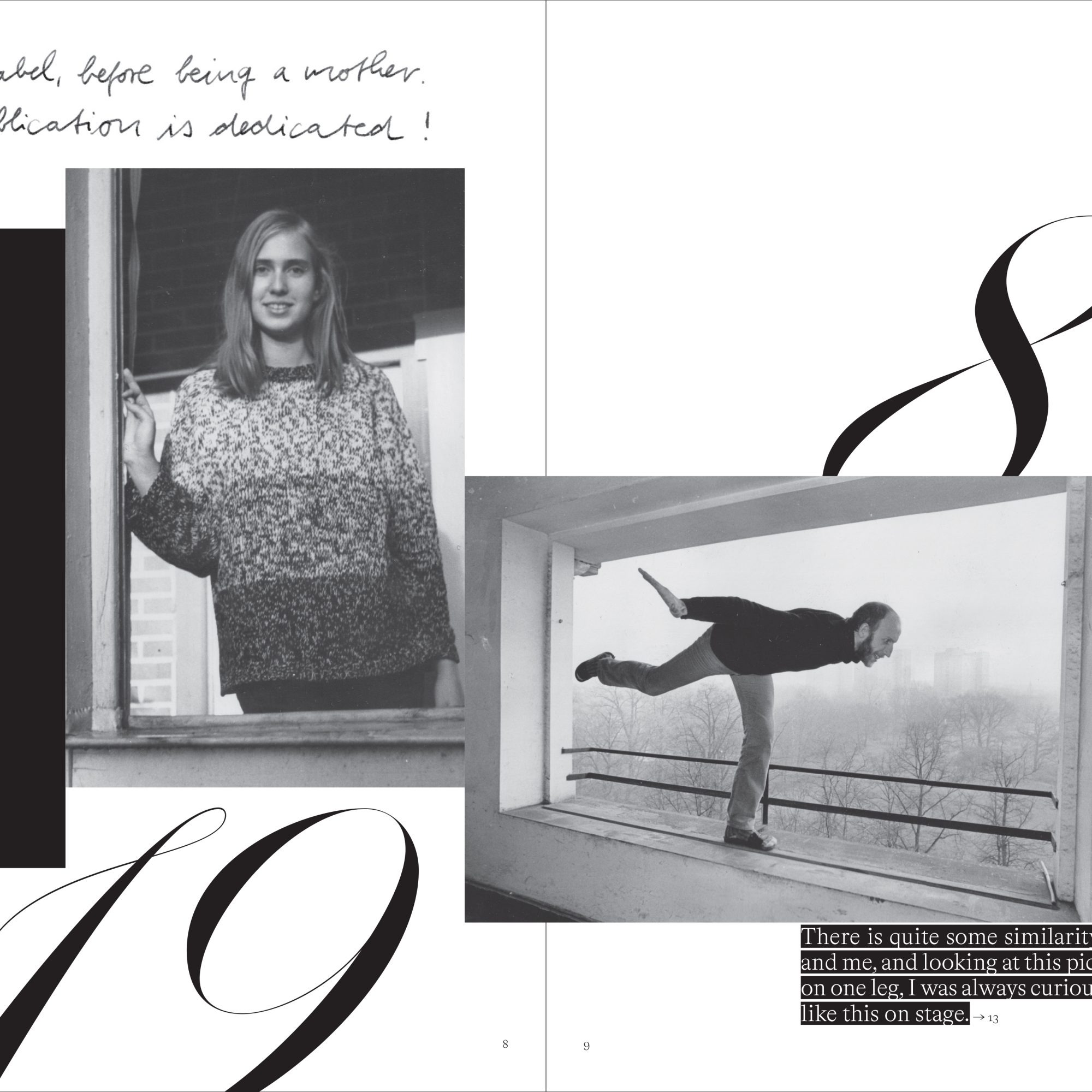
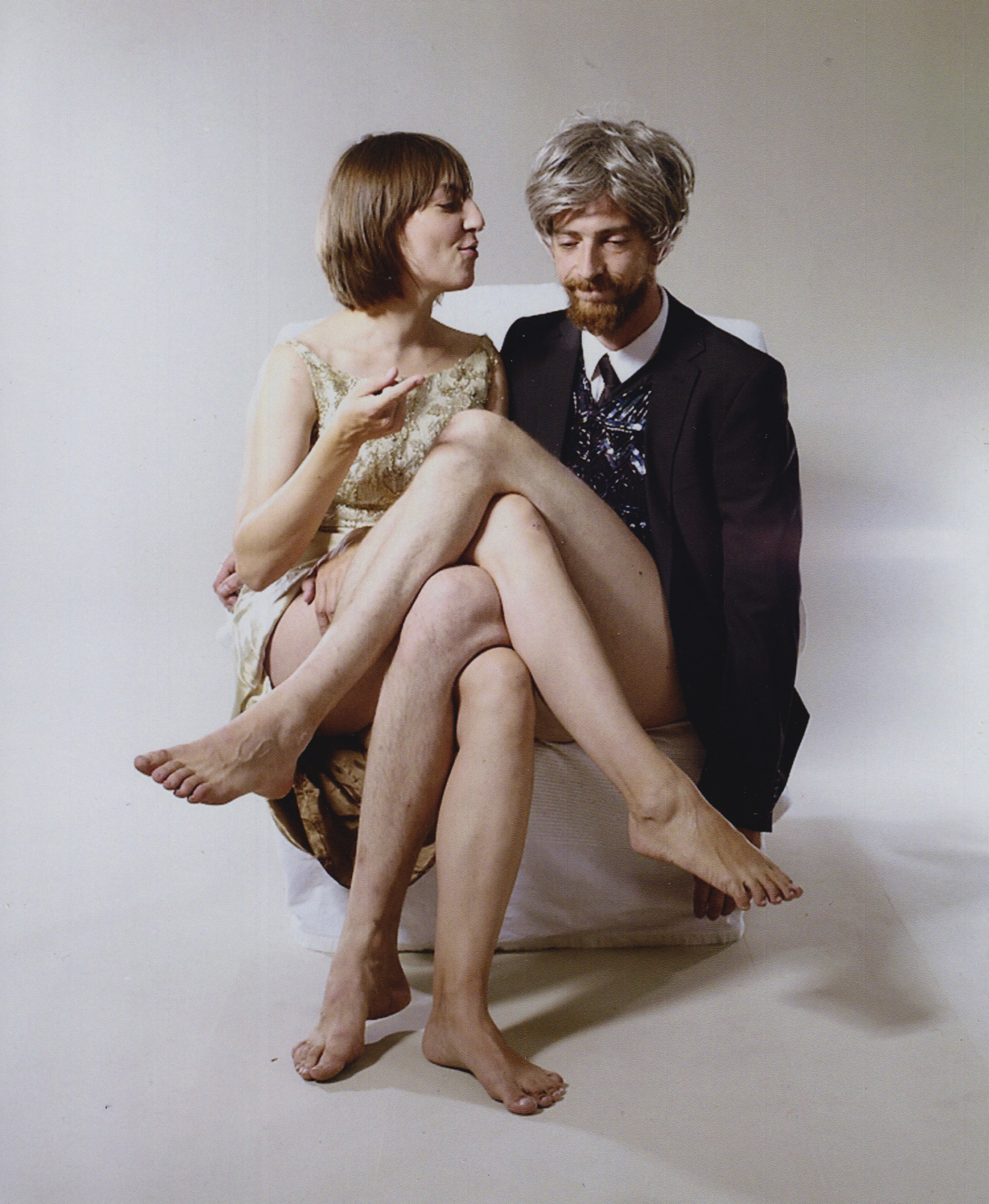
I was sent this lovely book about the choreography and performance art of Hermann Heisig by Spector Books, one of Germany’s finest publishers, at the suggestion of their team. I tend to value suggestions like these from a publisher known for a wide output, as they offer a thoughtful dialogue between parties. I get to see something new, and the publisher has one of its titles reviewed in a field adjacent to the initial category for which an artist like Heisig operates: performance and choreography.
Timing reads like a Heisig autobiography, with interviews and images not only of his performance but also of his life. He is by no means at the point of an endgame biography as he is still in his mid-40’s. What makes the book fascinating is the timeline that Heisig offers. Born in 1981, the artist leads us through his early awakening teen years against the backdrop of Germany’s historical timeline during its post-reunification years. There is a palpable sense of promise during the 90s as Heisig begins his transformation into one of today’s more intriguing performers. You get insight into his movements, his beginnings with art, and his relationships, which carefully and rather politely build into the artist’s myth, life, and career. I mention the myth here, not in a pejorative sense, but as a note on how we view art-making and artists. I am personally fascinated by the position of an artist in society and how their experience of the world plays out, given the marginalization of art as work in the minds of many, as well as how we view creative intellect, if not the shadow of its genius.
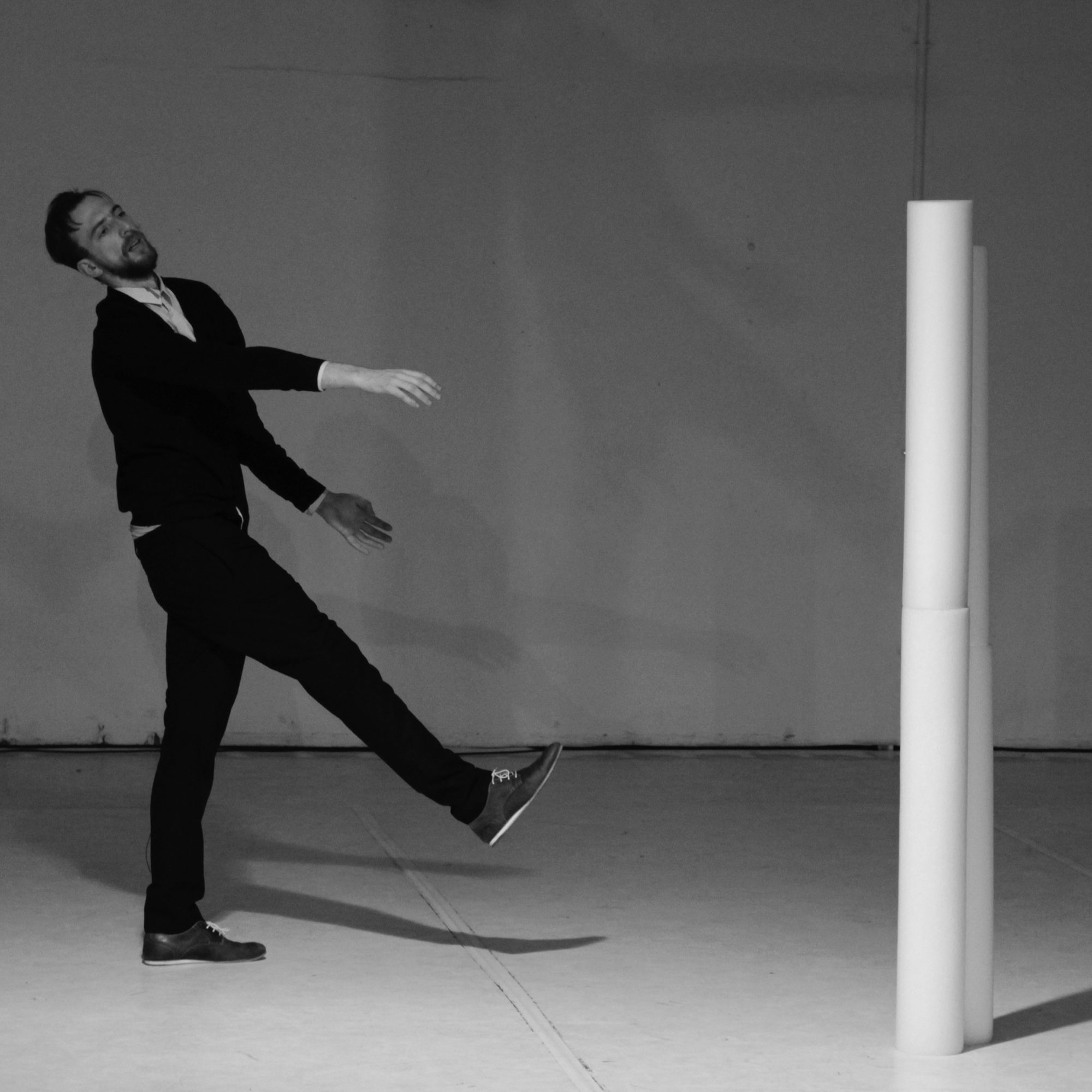
Process and transparency are often left at the mercy of the arist, who may or may not want to shatter the enigma of their art by speaking publicly about it. How often do we find artists taking flight from sharing their thoughts on their work, leaving it to the public to decipher and decode their intentions and productions? Whereas I understand the recalcitrance of an artist to speak ont their work, I am often left with gaps in my knowledge or understanding of their productions when they eliminate communication fromt the equation. Whereas it is their right to do so, I often feel there may be an attempt to draft the enigma of their work or its foundational roots into an unruly construct, feted more for the sake of ego than for the pure celebration of their efforts. In Heisig’s world, he is bare and transparent, and I feel this suggests a transparent collaboration ont the part of the viewer demystifying generations of German artists before him, whose opacity, at least from the perspective of the 21st century, might be received with a small amount of cringe, and for this, it makes Timeline a great object to read.
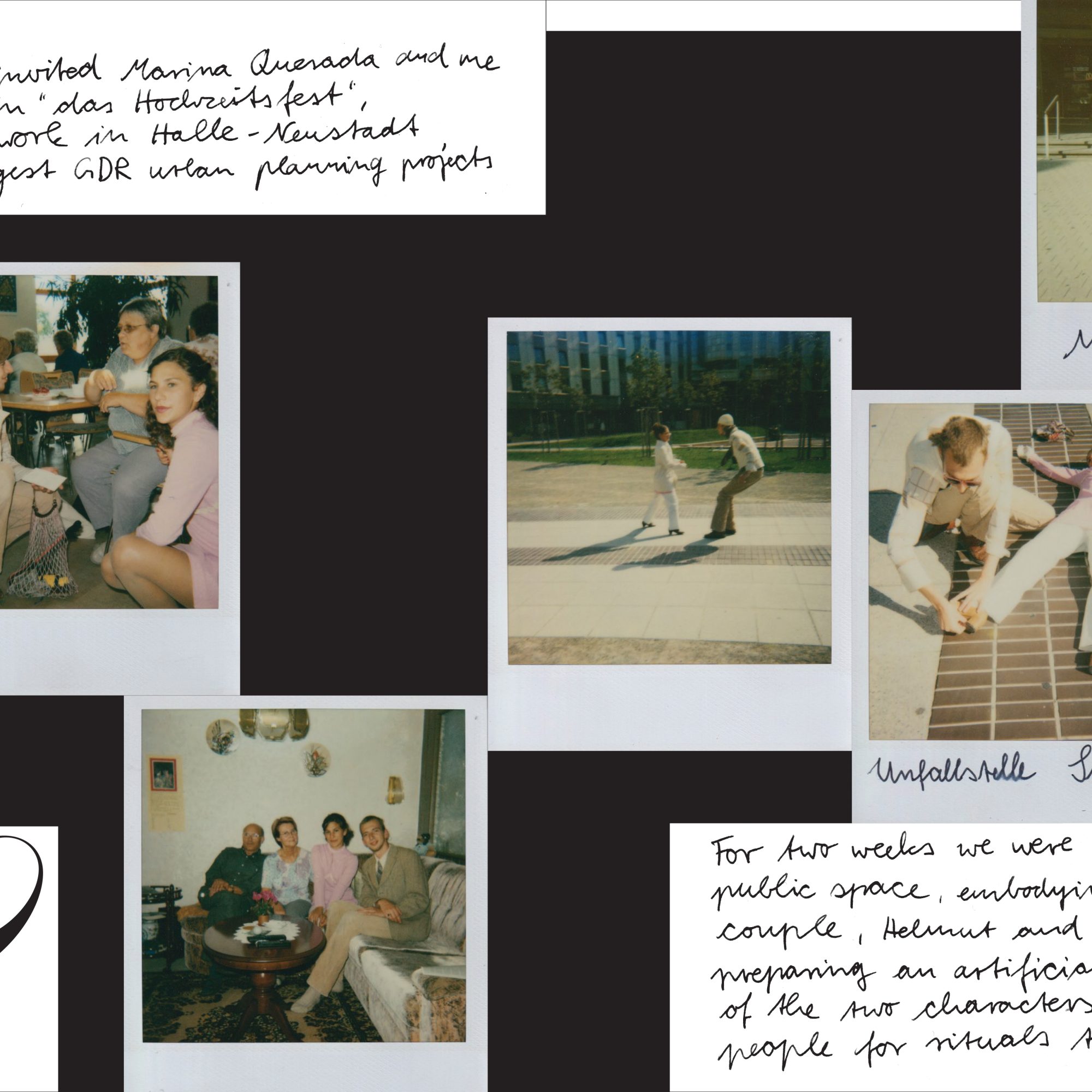
Again, knowing very little about the world of choreography and performance, I very much enjoyed turning over the pages of Heisig’s book as if it were a diary. The book itself is outlined and designed as such, or perhaps a wayward scrapbook with images throughout Heisig’s life and performance, which have been well-documented. This is, of course, quite different from many biographies inasmuch as the material found here is plentiful and arranged to show the work/life unity lacking in many biographies that bias the work of the artist themselves, or that, at the least, refuse entry into the quotidian view of the artist as human. Continuing, the progression chronologically keeps the book’s pace and Heisig’s transformation from a young boy to midlife. His timeline is very close to my own, so reading the book from his perspective, including the political and cultural landscape of Germany at that time, was as fascinating as gaining a minor perspective on what choreography entails. What I can deduce is how his family life, which seems solid, and the political world og his earlier years have informed his practice, but more essentially, how his work has developed through a series of relationships and Saying Yes.
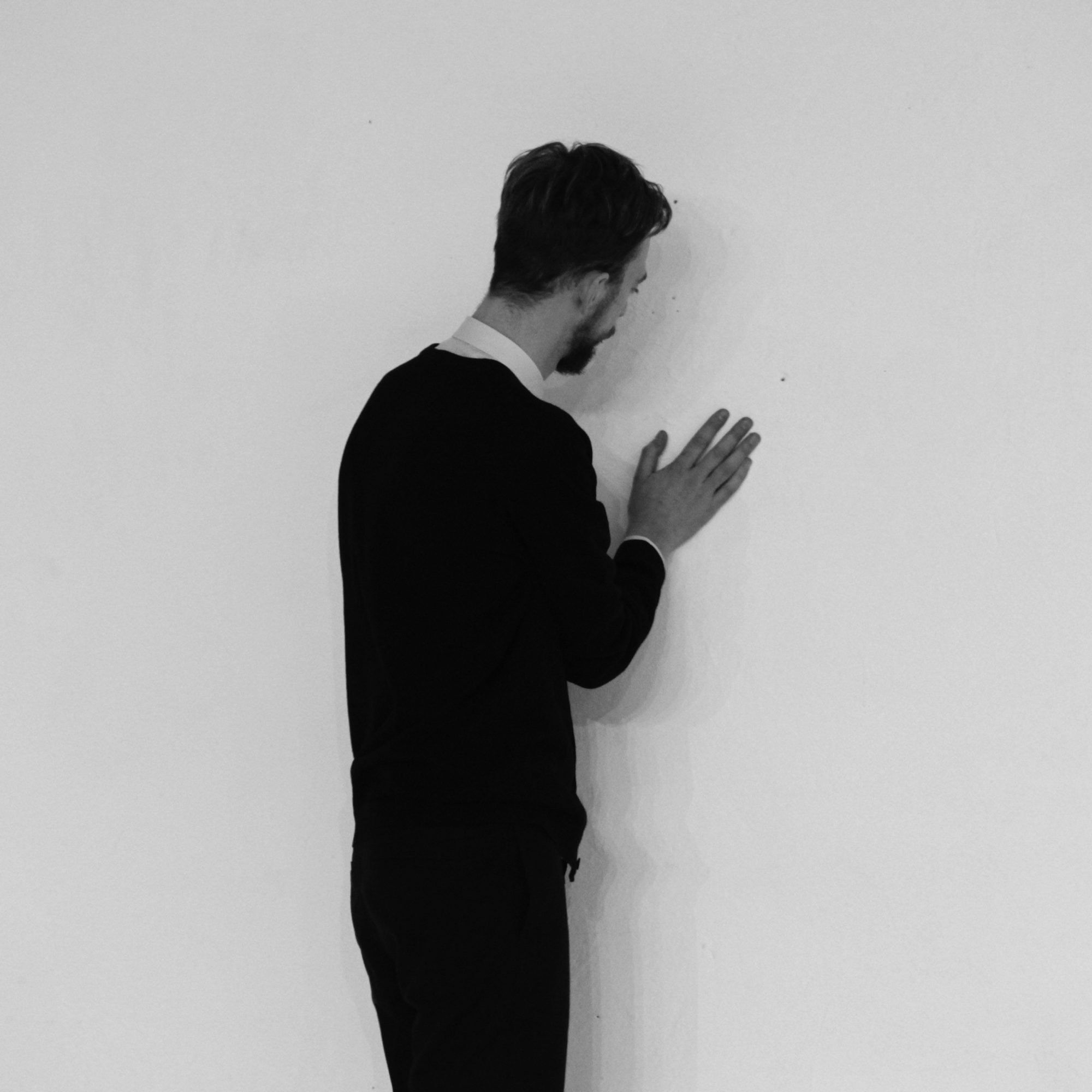
I rate this book as an effective strategy that outlines a creative way to tell a biographical tale, whilst balancing a more rounded understanding of how the artist’s practice functions. Instead of focusing on the value of specific actions or works, the book extends the broader context of Heisig’s movements and offers a more interesting possibility/read for people interested in contemporary choreography and performance. Design is a large part of the book’s success, as is the coherent narration and text management by Heisig and Igor Dobričić in their editing, which must have been a rather in-depth affair to produce such a tome with no little time spent in close collaboration with the artist and designer. There are great strategies in the book for people looking to extend biography, but also for narrative investigations in the book form, in Timing.

When you extend beyond the genre of Heisig’s art, a similar methodology can be applied to other media, and I believe the de-mythification of the artist is vital in a world where we are on full display yet lack the interiority of expression in our practice and lives. I recommend the book for those curious about Heisig and his work, as well as for fans of the book as an expressive medium. Spector Books has been fundamental to carrying these stories to term, and I believe their vision is also inherent in this book, as well as in the proliferation of their annual titles, which are less concerned with mediums than with lives, stories, and the political and social backgrounds from which they stem. This is a universal book. You do not have to be German to understand its implications, and within that sentiment lies the greatest employ of the book as a medium, that it is flexible, open, and suggests an open possibility to the world in which it travels.