
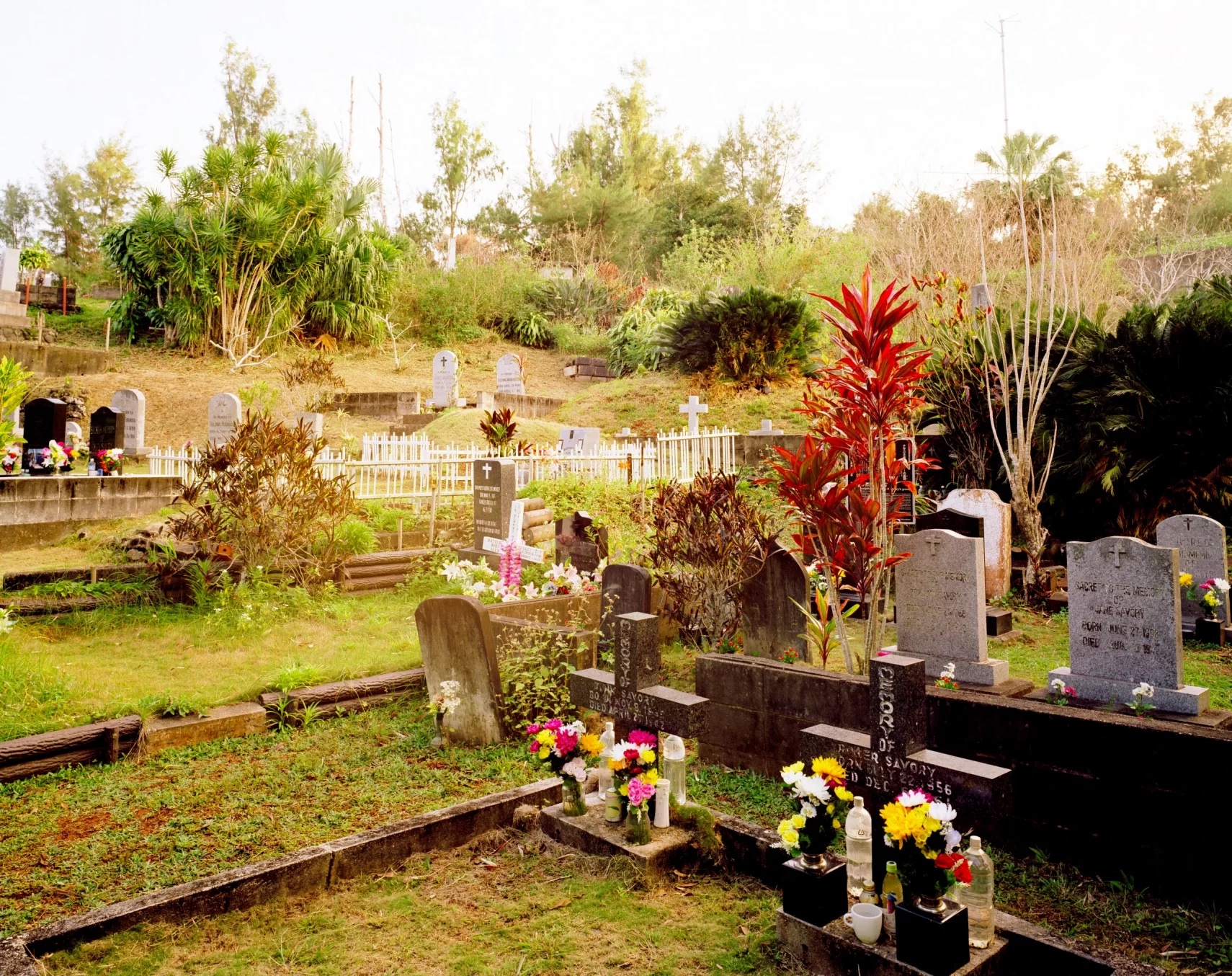
The Bonin Islanders, 2021, Shinichiro Nagasawa, Akaaka Art Publishers
The Bonin Islands, or Ogasawara Islands, are a very particular, scarcely populated set of thirty islands southeast of mainland Japan. The population consists of around 2,500 inhabitants, comprising an exceptionally interesting demographic. Historically referred to as Bunin Jima, or uninhabited, the islands were visited by many different expeditionary forces, including the Spanish, British, French, and later the Americans, beginning in the Nineteenth Century. During the 19th century, the British spent considerable time attempting to claim the islands as part of their push toward colonial hegemony in the region. Stated, the islands were inhabited by several different nations from America, Britain, Denmark, and the Austro-Hungarian Empire.
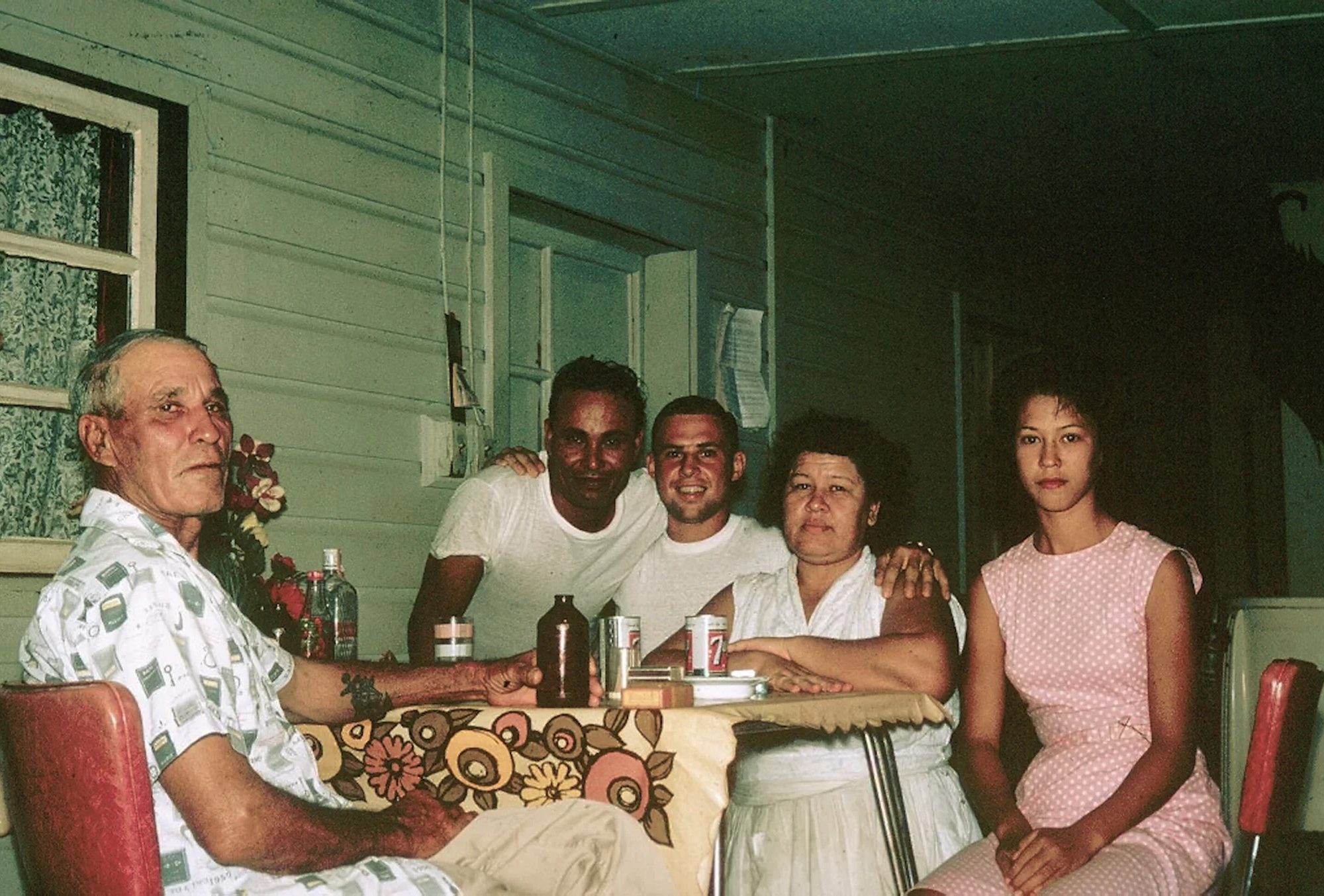
The Bonin Islanders, 2021, Shinichiro Nagasawa, Akaaka Art Publishers
During the Second World War, Japan reclaimed the islands for the nation. One of the islands, Iwo Jima, features prominently in American post-war propaganda in the (second) photograph Raising the Flag on Iwo Jima, by Joe Rosenthal, from 1945, with several variations by other photographers. The image bears an iconic status and has been used as several sculptural memorials. During the War, the Japanese forces occupied the islands. They forced islanders, many of whom spoke English, to convert their language to Japanese before eventually removing inhabitants altogether, some forced into camps, with claims of cannibalization by the Japanese military, who also used this tactic on American prisoners of war to instill an extra level of psychological fear. The islands were returned to the natural inhabitants after the US Occupation in 1968. Although under occupation, it is worth noting that the original islanders were once interested in a complete American annexation of the islands. Japan regained control of the island in 1968.
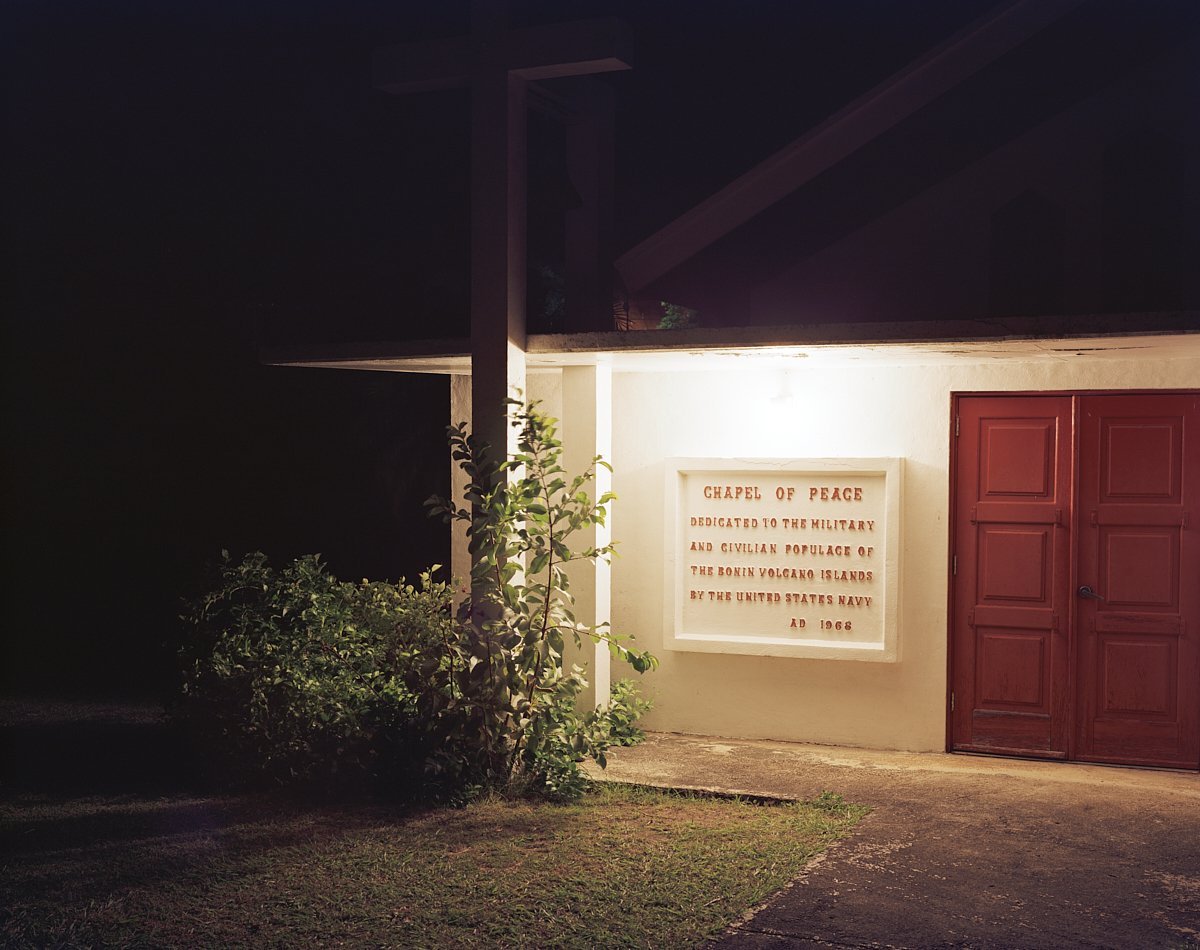
The Bonin Islanders, 2021, Shinichiro Nagasawa, Akaaka Art Publishers
The island, due in considerable measure to its history and relatively unique demographic makeup, is something of a curiosity. Their remoteness and their porous immigration over the last five hundred years suggest questions about identity, evolutionary and cultural tendencies, and human continuity in the face of desolation. The fact that the number of islanders is minuscule by comparison to many other island demographics makes their story the heart of Japanese photographer Shinichiro Nagasawa’s research and photographic studies. Conducted over the last fifteen years, Nagasawa’s work has been split into two distinct studies on the island. The first, The Bonin Islanders, was released in 2021. The book examines the lives of the inhabitants and, with a documentary impulse in mind, relates the story of life on the islands in the twentieth and twenty-first centuries, discussing the implicit nature of WWII and the lifestyle contemporary islanders endure, which is driven by subsistence farming, ecotourism, and diving, all of which contribute to local tourism.
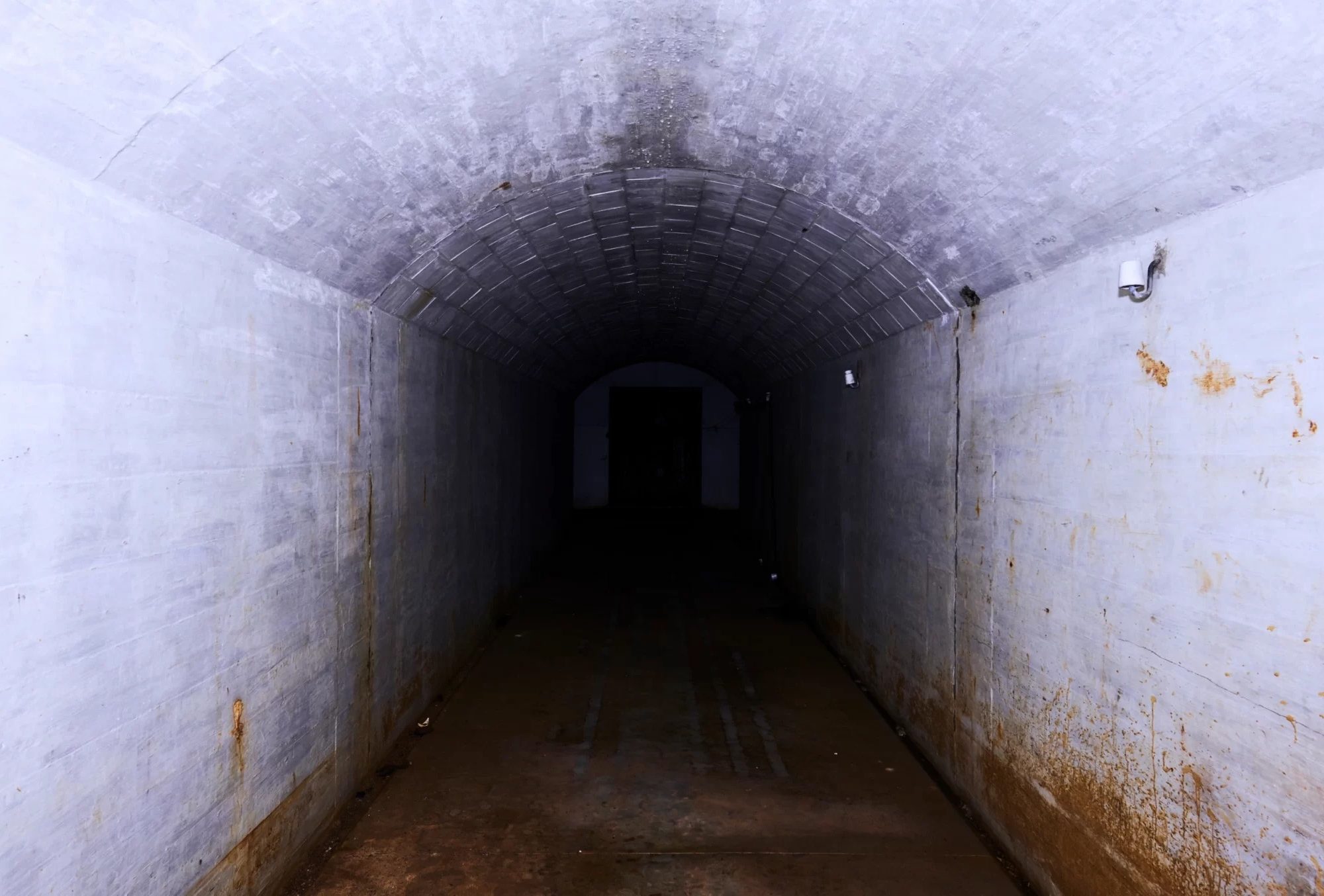
Mary Had a Little Lamb, 2024, Shinichiro Nagasawa, Akaaka Art Publishing
The Bonin Islanders book is a complex affair, as it parallels the history of the people with that of the island itself. It seeks to document their world, and in doing so, offers a glimpse into the fascinating lives led by individuals with a complex history, both with America and Japan. As one of the islanders, Stanley Minami put it, “We aren’t American. We aren’t Japanese. We are Bonin Islanders!”. Nagasawa’s beautiful and saturated photos complete the puzzle of their story. They feel immersive yet unobtrusive, offering a fly-on-the-wall perspective, in part, with added archival and historical elements that suggest a story of profound complexity. This is the first book of the series, which was recently followed up by Nagasawa’s darker, architecturally driven second volume, Mary Had a Little Lamb, also published by Akaaka Art Publishing in 2024.
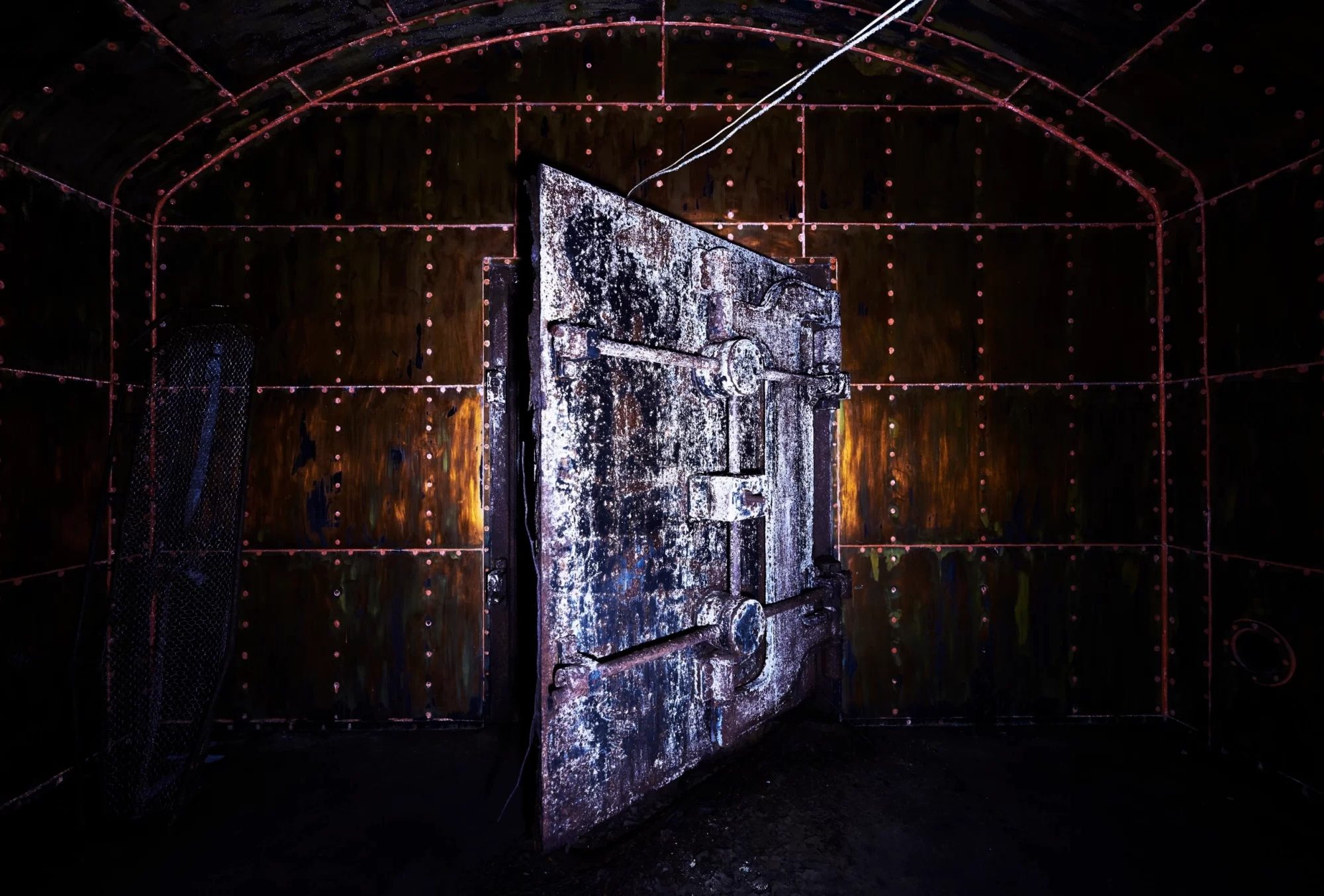
Mary Had a Little Lamb, 2024, Shinichiro Nagasawa, Akaaka Art Publishing
This volume transforms his work from a type of concerned documentation of people to a legacy of the American occupation and the effects of its Cold War ambitions. The location is still the Ogasawara Islands, but it is more specifically related to Chichijima, an island in the archipelago that housed the American nuclear warhead Mary’s Lamb amongst its installations. The significance of it being stored on the islands after the dropping of the atomic bombs on Hiroshima and Nagasaki is a point of traumatic disruption to the story of the Bonin Islands’ dual history between the two nations. Although the island’s citizens claim Bonin Island as their homeland, both countries played essential roles in their development. Hosting a nuclear warhead from America after the war crimes of Hiroshima and Nagasaki is a strange development in the community’s continuity. Nagasawa gained access to the bunker where Mary’s Lamb was once stored. His photographs offer a direct antidote to the lightness of his book The Bonin Islanders. Though similarly saturated, the pictures here are tomb-like, moldy, flash-driven, and subterranean. They seethe with a syrupy psychological ooze that is uncomfortable and unnatural.
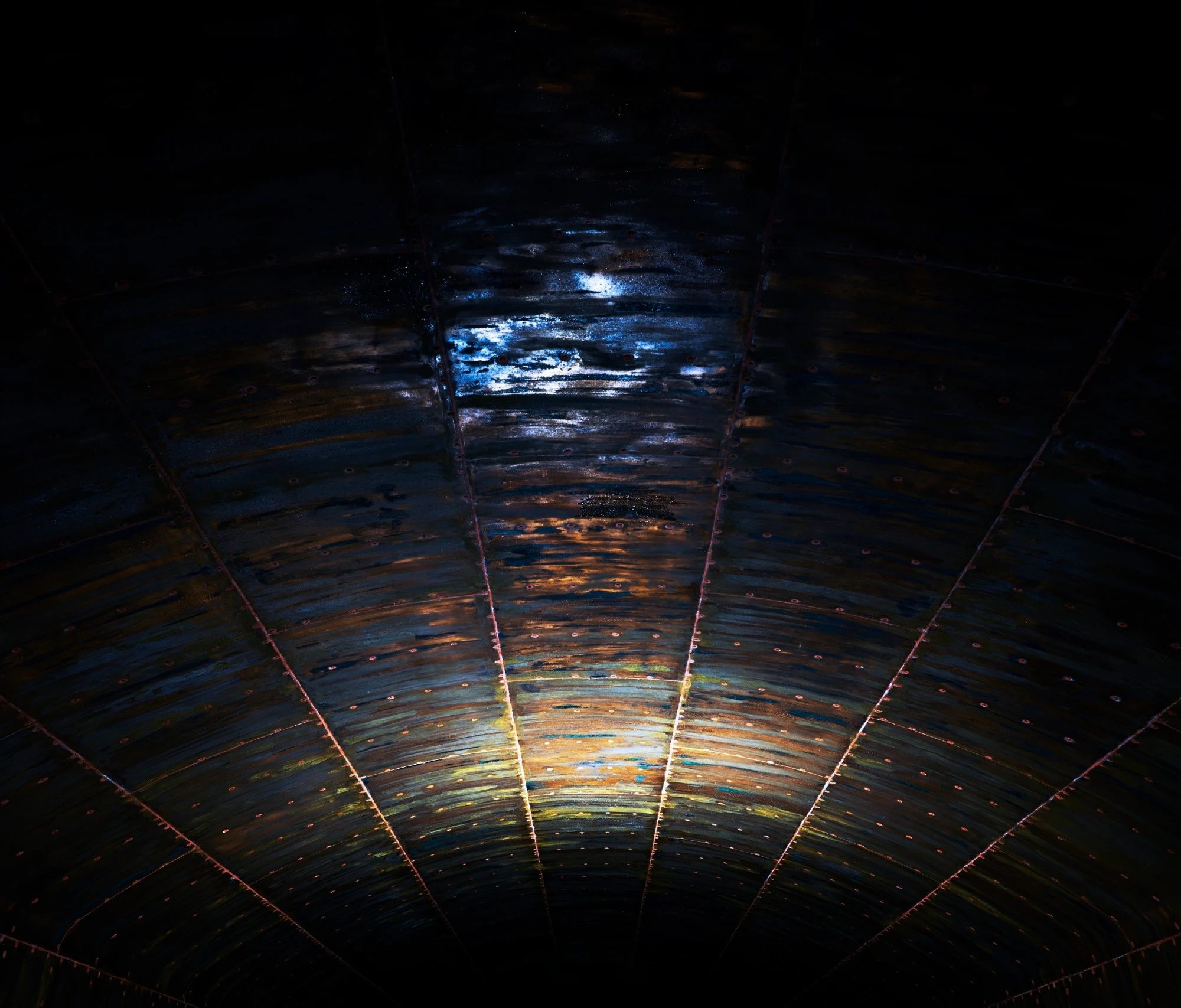
Mary Had a Little Lamb, 2024, Shinichiro Nagasawa, Akaaka Art Publishing
I am reminded of the subterranean work of fellow countryman Naoya Hatakeyama. I am also reminded of Anthony Hernandez’s photographs of subterranean Los Angeles, which serve as a fitting context for Nagasawa’s pictures from the bunker. It would also be worth pointing out that Paul Virilio, Nick Waplington, and Boris Becker. These artists, among others, have viewed the bunker form as something to be intrigued by, studied, and discussed symbolically, exploring human nature, war, and safety. Bunkers are a phenomenon that is completely disorienting to spend time inside of. When photographing the Atlantic Wall along the French coast in 2009, I spent time inside these structures. I found them to be haunted, muffled, and to carry terror within their walls. In my circumstance, I could see and hear the crabs as they clung to the barnacle-covered concrete walls as the tide rolled out. The space of the bunker interior is one of psychological inconvenience. Nagasawa’s photographs are beautiful, yet they retain the terror of the bomb within their gridded metalwork. There are embedded screams within when I view them. The brood, and even if they are presented as an afterthought to WWII, and the lives of the Bonin Islanders.
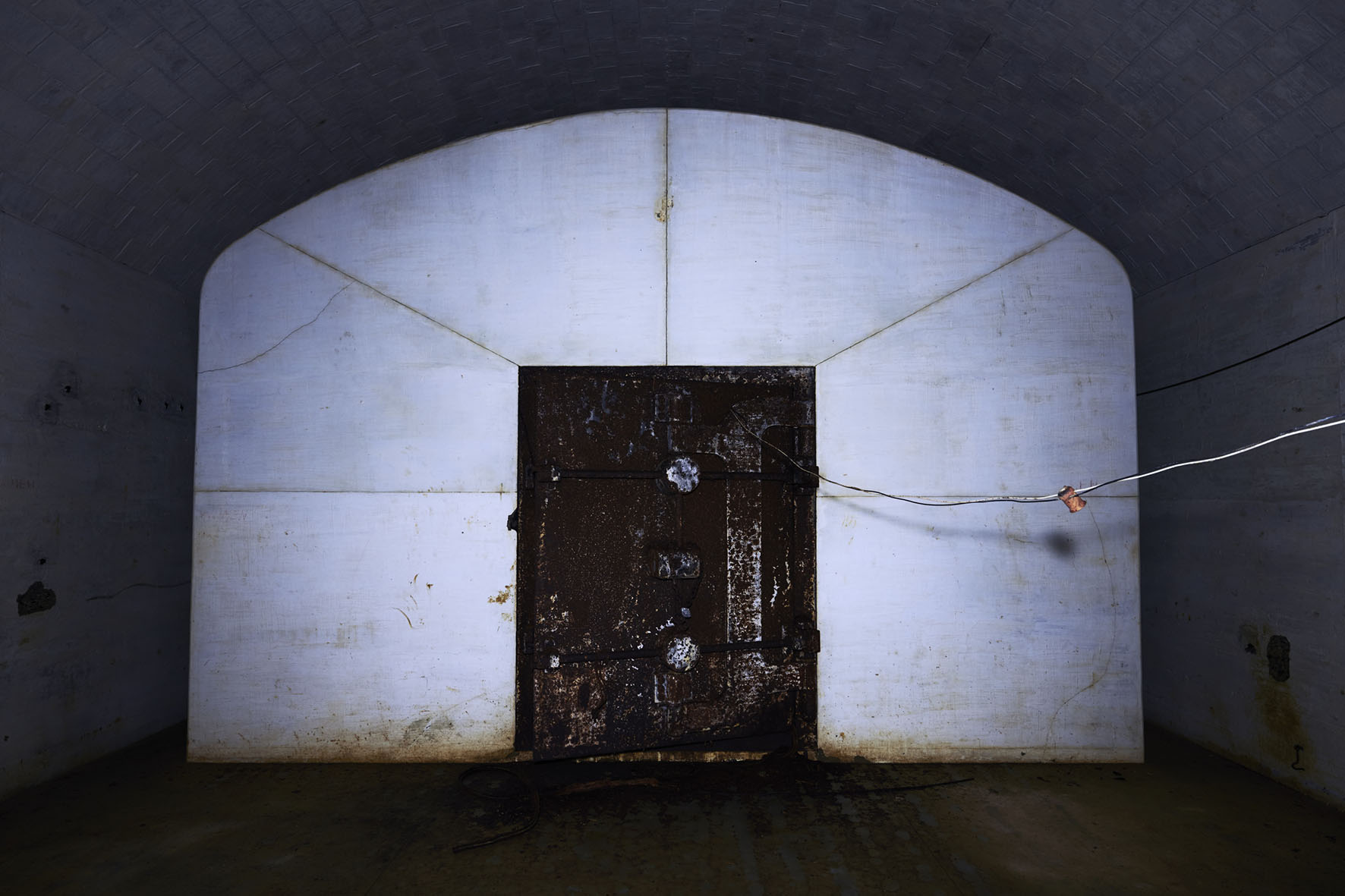
Mary Had a Little Lamb, 2024, Shinichiro Nagasawa, Akaaka Art Publishing
I highly recommend both of these books for the story they tell, but also for the rich photographic life they detail. Nagasawa’s images are filled with pathos and yet retain the qualities that persist in the documentary tradition, driving home a concept larger than the artist. The artist was insistent and gave me both copies as they felt that it would not be possible to understand one without the other. In this case, I might argue that I could see the Mary Had a Little Lamb book independently from The Bonin Islander’s book, but knowing the history of the latter has provided even more charge to the latest book, which, for my interests, serves as a beautiful reminder of the sublime terror of the world. I recommend both very highly!
Shinichiro Nagasawa
The Bonin Islanders
Mary Had a Little Lamb
Akaaka Art Publishing