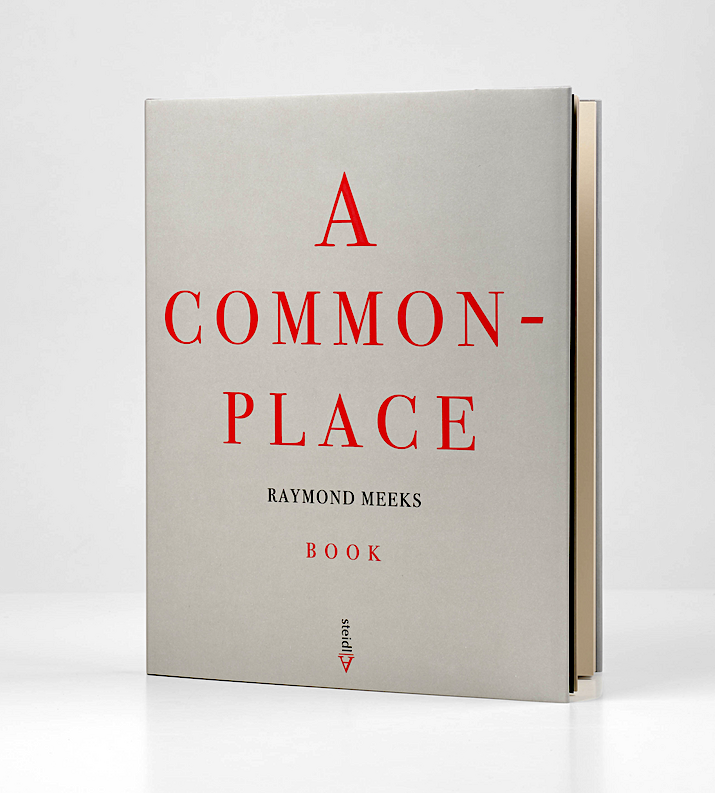
In full declaration, as a fan of all parties involved, I hereby cannot deny my overwhelming urge to state that this book, in the canon of Raymond J. Meeks Esq., is hitherto unnecessary, but welcomed nonetheless. It is a compilation of misses, outtakes, and the unloved and weeded-out, minus one image of an alabaster girl with wet hair and maybe one photograph of some farming equipment that have appeared previously. It is not a best of, thankfully, but instead is a venerable tome of what appears, on the outside, to be a torch-passing exercise between two of photography’s finest living photographers, namely the aforementioned Meeks and the eminent photographer John Gossage, both artists who have had a significant imapct on my way of thinking about what is possible with the medium, both of whom, I have a minor aquaintenace.
While pouring over the book last night, after several previous attempts, I came around to the idea that it fostered some very choice offcuts by Meeks, which made my browsing enjoyable and offered enough to make the book worthwhile. Whereas I had been undecided whether it constituted a holistic approach to the material, I do find the cuts significant, even if there is no particular sense of completeness within the overall project.
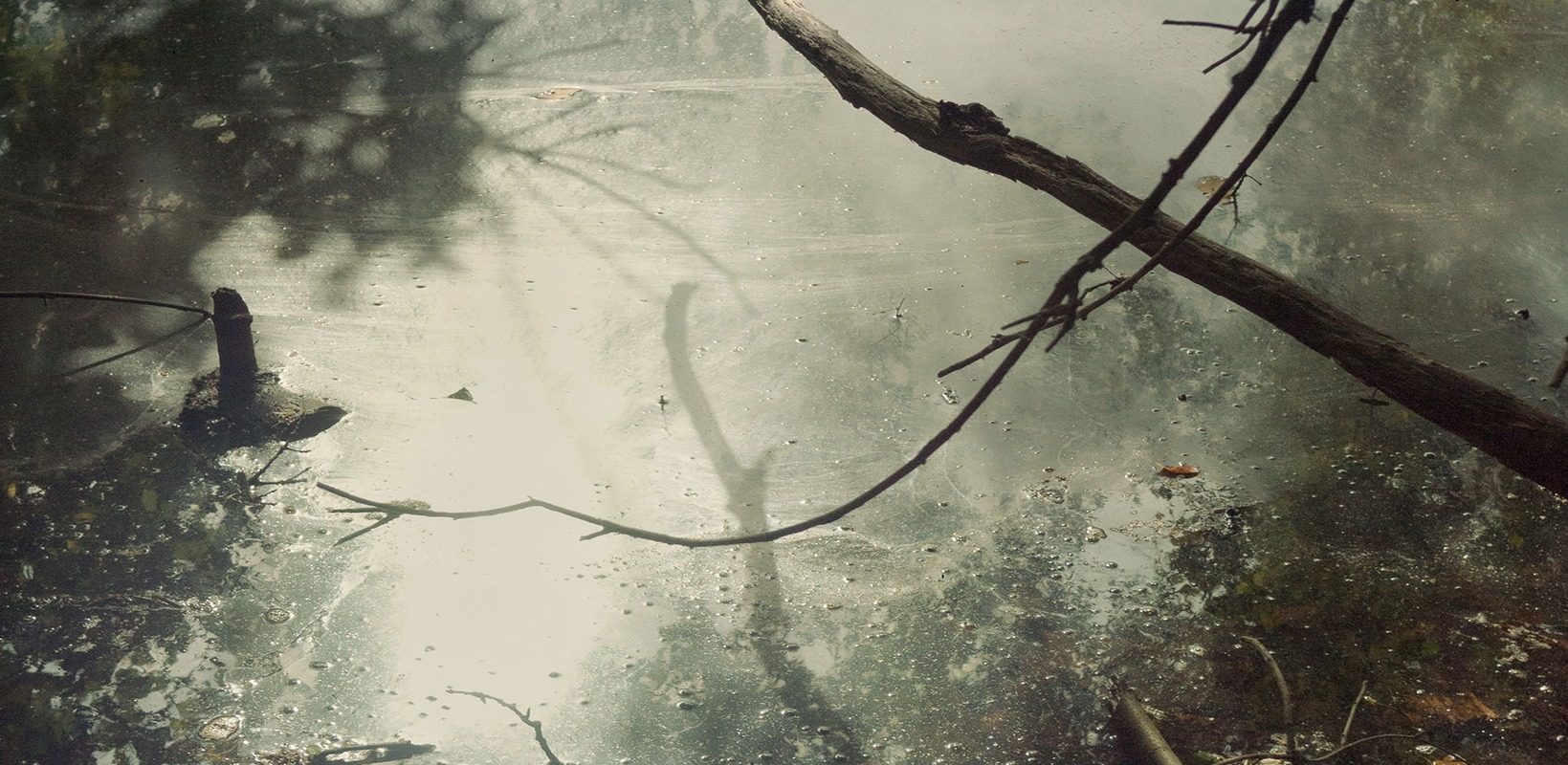
The book and selection, administered by Gossage, revealed what had remained invisible in the last 10-13 years of Meeks’ output, and I have to admit that some of the adjacent slices of Ciprian Honey Cathedral were more compelling than some of the images in the original book. In fact, the pond-scum green of many of Meeks’ color images within the book had me contemplating bronze statues, algae, and the choices made to use such garish color, which, oddly, and for the sake of shorthand, worked incredibly well in this book and Ciprian Honey Cathedral, having exemplified the deeper pathology of place and relationships as outlined in the original volume.
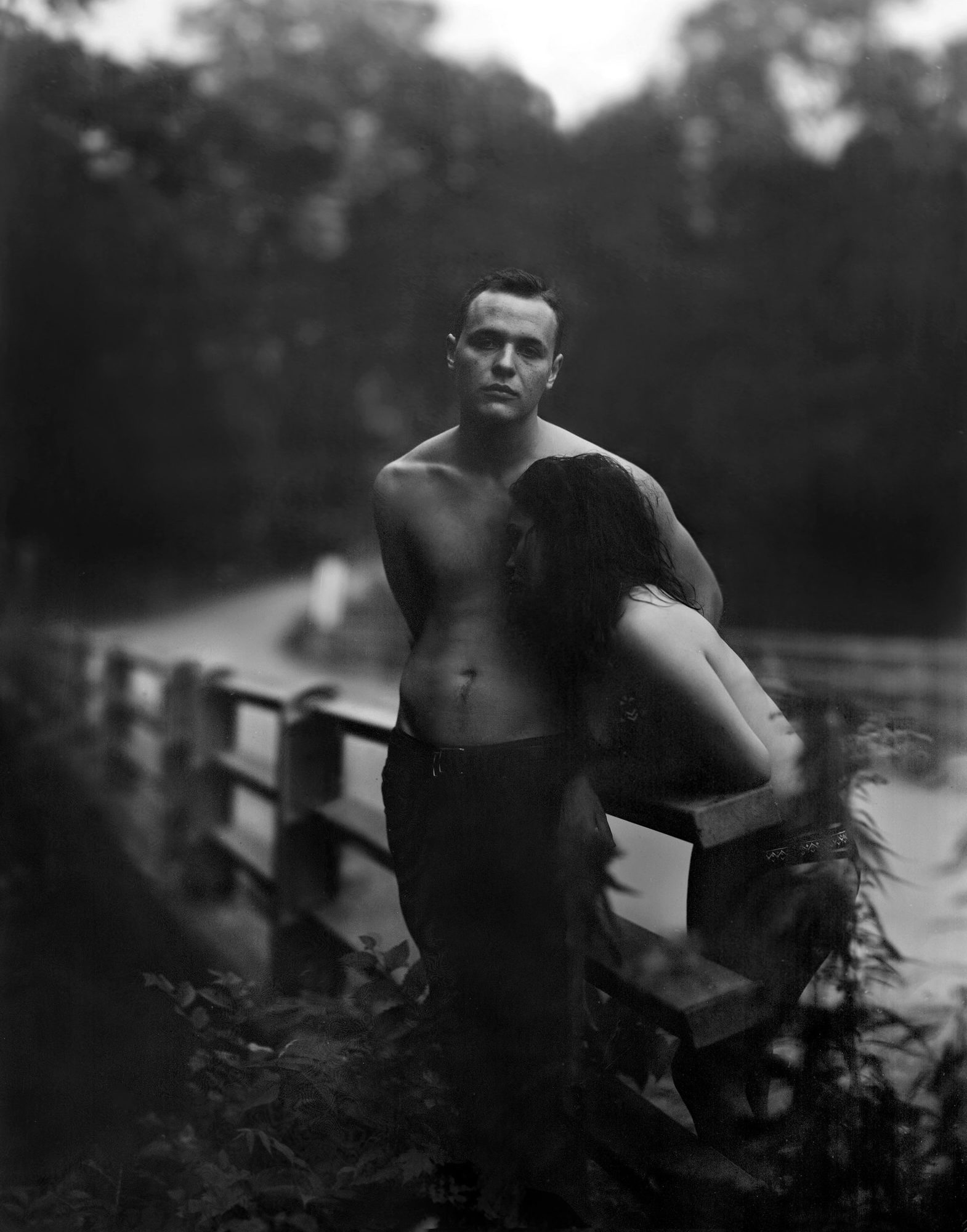
This reminded me, interestingly, of what I like about both artists: with Gossage’s work, I gravitate toward his monochrome adventures, and I realized that with Meeks, I find his color attempts more alluring at times than his monochrome forays. It makes me want to see more color from the artist. What is worth noting is that there is certainly an echo of Gossage’s vision and technical uses of the camera in some of Meeks’s later volumes, particularly in Geography of Abandonment and The Inhabitants. I think both artists draw from similar waters and a sense of melancholy, though the influence of Gossage on Meeks is well known. What is interesting about John’s edit is that Meeks’s black-and-white work is some of the work I find least Gossage-like, almost as if there were a conscious move to keep the images where overlap might be obvious at bay, instead concentrating on what makes Meeks, Meeks.
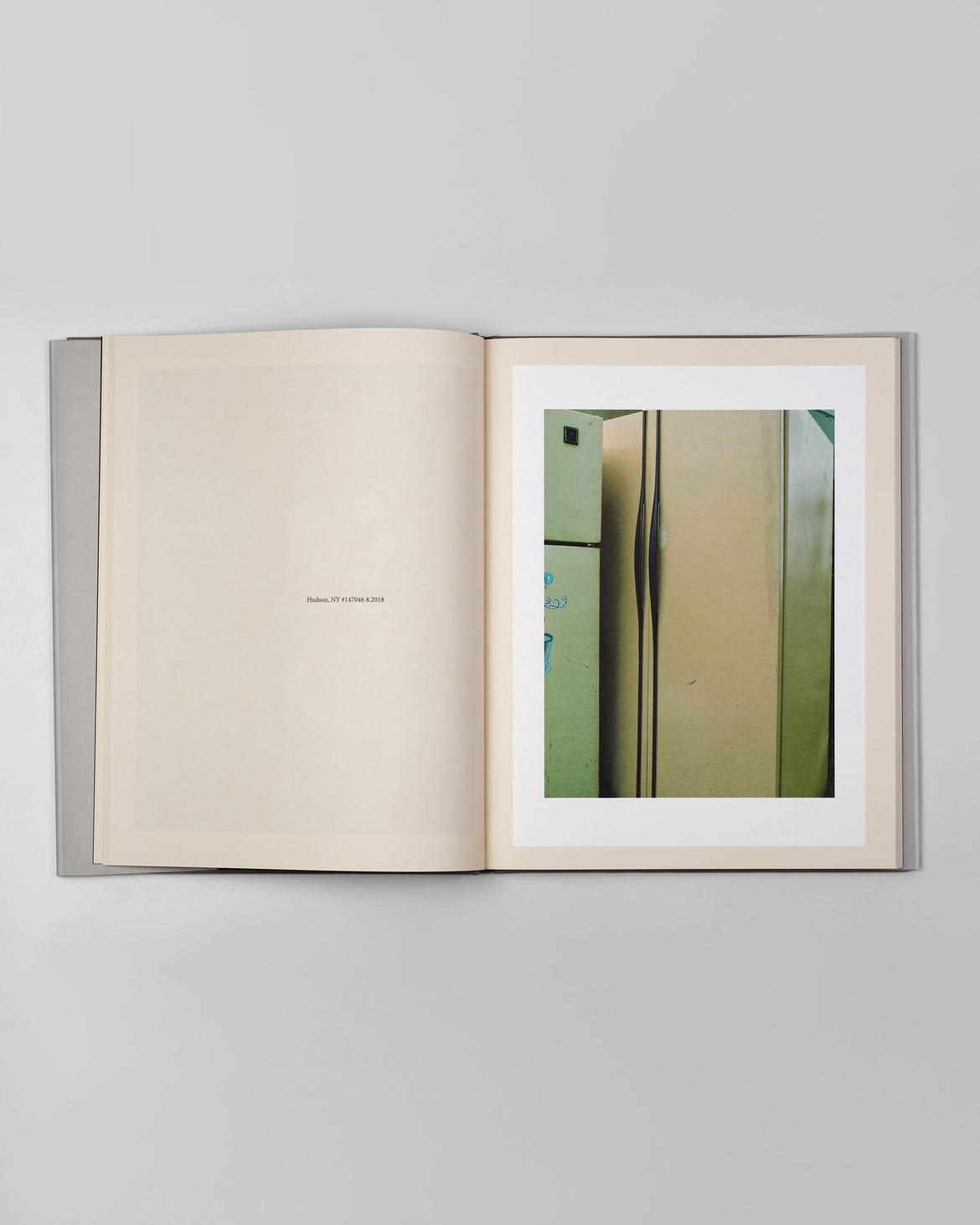
Whereas the design of the book feels very much like Gossage, with the choice of typography and bordering images, I do think the work holds its own as Meeks, though at points it does feel like a Gossage exercise more than a Meeks exercise, and I suspect some of that comes from whatever arrangement has been brokered between the members of The Agency/Steidl imprint. One, if paying attention, can’t help but wonder if this concludes the MACK-era of Meeks’ publishing, and one can’t help but want to be a fly on the wall of that conversation, especially given who has published this volume.
It will be curious which way the wind blows on this decision, which might be construed as semi-risky given how slowly Steidl puts out books and, with the recent financial debacle potentially cleared, what it means for this new collaboration between Steidl and the principal artists involved-Frydland, Gossage, and Meeks.
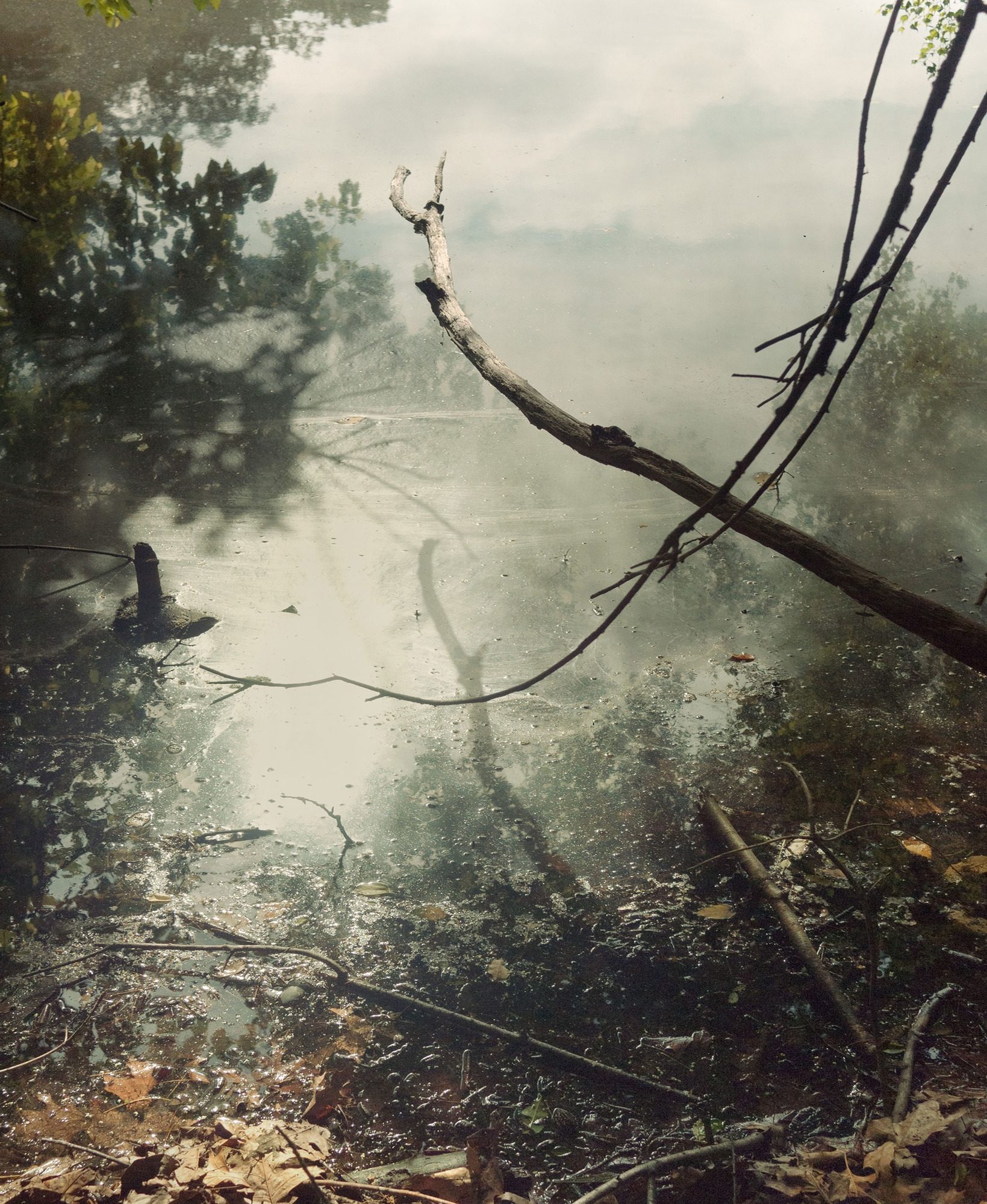
Overall, if you are a fan of Meeks’s work, this is an excellent addendum to have. Whereas there is a feeling of the procedure being a bit gimmicky with the editing of one artist by another, the full declaration of two artists working in a similar vein and with amicable relations makes it feel like it has a place in the canon, but I am hoping that the rest of the 15 alleged volumes that the co-imprint is to publish might take on a varying design flavor lest all the books begin to look like Gossage exercises.
John’s design is interesting, but I cannot say that I feel it works as well with other artists’ works as it does with his own; maybe that is part of the arrangement of the imprint- who knows. It does have the feel of a faux think tank in its online persona, so maybe this cohesive, if questionable, strategy is part of the mix. If you are a deep Meeks head, this is volume for your shelves. If you have not been sold on his work until this point, I might suggest going over Ciprian Honey Cathedral or The Inhabitants first. Either, as a fan, I have little choice but to recomment it for the color work and novelty alone.