 There has rightfully been what I might consider an epidemic of navel-gazing in American photography over the last decade. It sounds awful to say it that way, and maybe to unburden the semantic load of the navel, I might consider it inward, or soul searching, if that is more palatable. When I mention this, it is not to stoke the ire of American photography, itself a broader kaleidoscope of stylistic intentions and subjectivities, but there is certainly a movement to dissect and tease out what it is to be living in America in the late teens and twenties in a series of reflections, spread throughout visual culture. There are obvious moments and figureheads for why this might be a continued trend in the nation. I would not mind suggesting that the current president and his first and second shots at “leading” the nation are a major part of the discussion, along with the murder of George Floyd, amongst others, as key moments that have brought American photography to look more directly at itself. A nation in search of itself, as it were.
With this in mind, there is also a return to thinking about analog photography, monochrome imagery, and a type of lyrical investigating that responds to the condition of the nation itself. I can’t say why this is happening, but the rise of monochrome in the language and field of photography plays out like a flashback, a way of understanding things in retrospect, borrowed from cinema, the great American aggregator of experiences both real and propagandized. It also tames things down to literally see in black and white. Some of the key players in this trend are Deanna Lawson, Rahim Fortune, Richard Rothman, Bryan Schutmaat, Latoya Ruby Frazer, Mark Steinmetz, Kristine Potter, Baldwin Lee, Matthew Genitempo, Sally Mann, and perhaps Jenia Frydland.
There are more names to mention, but those were the first, and I am no fan of Laundry lists. They stifle discussion and often dictate associations that lack respect for nuance, but I am only in a passing, largely unnecessary position of a reviewer, and that job is to shade around the edges with some amount of context, however surface or brazen. In thinking about these artists and Andrew Ellis, whose book I am looking at, I think about American artists who are caught in this odd moment of being conscious and invested, but not being able to completely speak about the nation itself easily, so in terms, they rely on atmosphere, mood, and suggestion, with an emphasis on poetry, shared patterns of ruggedness, and something approaching a yearning for intimacy in a land in which division is the guiding light of the moment.

In American photography, one can observe clear trends in this category. Of the names mentioned above, I believe it might be easier to wrangle Schutmaat, Genitempo, Steinmetz, Potter, and Frydland into a similar type of work, though within that enclave, there are many stylistic choices that differentiate their work. I am speaking here to the surface value of the work as it relates to the condition of the American landscape, its pathos, and its citizens. Some work by these artists deals with the West, while others are looking at portraits to give the experience of seeing America today, with its melancholic decline, its economic slowing, and thus suggests, through images of its people, that we might observe and understand the plight of the empire as it teeters back and forth on the precipice. In Sons of the Living by Bryan Schutmaat, his opus, for example, the map and the territory have been flattened into one epic journey in which vagabonds and listless men seek more hospitable horizons, even as they continue their never-ending, if aimless, journey. Their stories are collected as dust storms approach from the canyon wall’s oblique sides.
Mark Steinmetz conjures up a strange feeling of intimacy and concern in his inexhaustible well of portraiture, culled both from his archive and from his ongoing documentation of America, giving life, and I might even suggest, an oblique romance to many of his subjects, even when skinned knees and an air of the ragged come into frame. There is something concerning about his images, and I never know how to feel when I have exited one of his books, but I do feel, and that is one merit badge I will accept. I point to Mark and Bryan, out of the broader category of artists, cut from a broader category of other artists, mostly because of what I see in Andrew Ellis’s book Touch Echoes the Soil (2025), published by Omeon Press in a small edition of 365 copies, a day at a time, I guess.
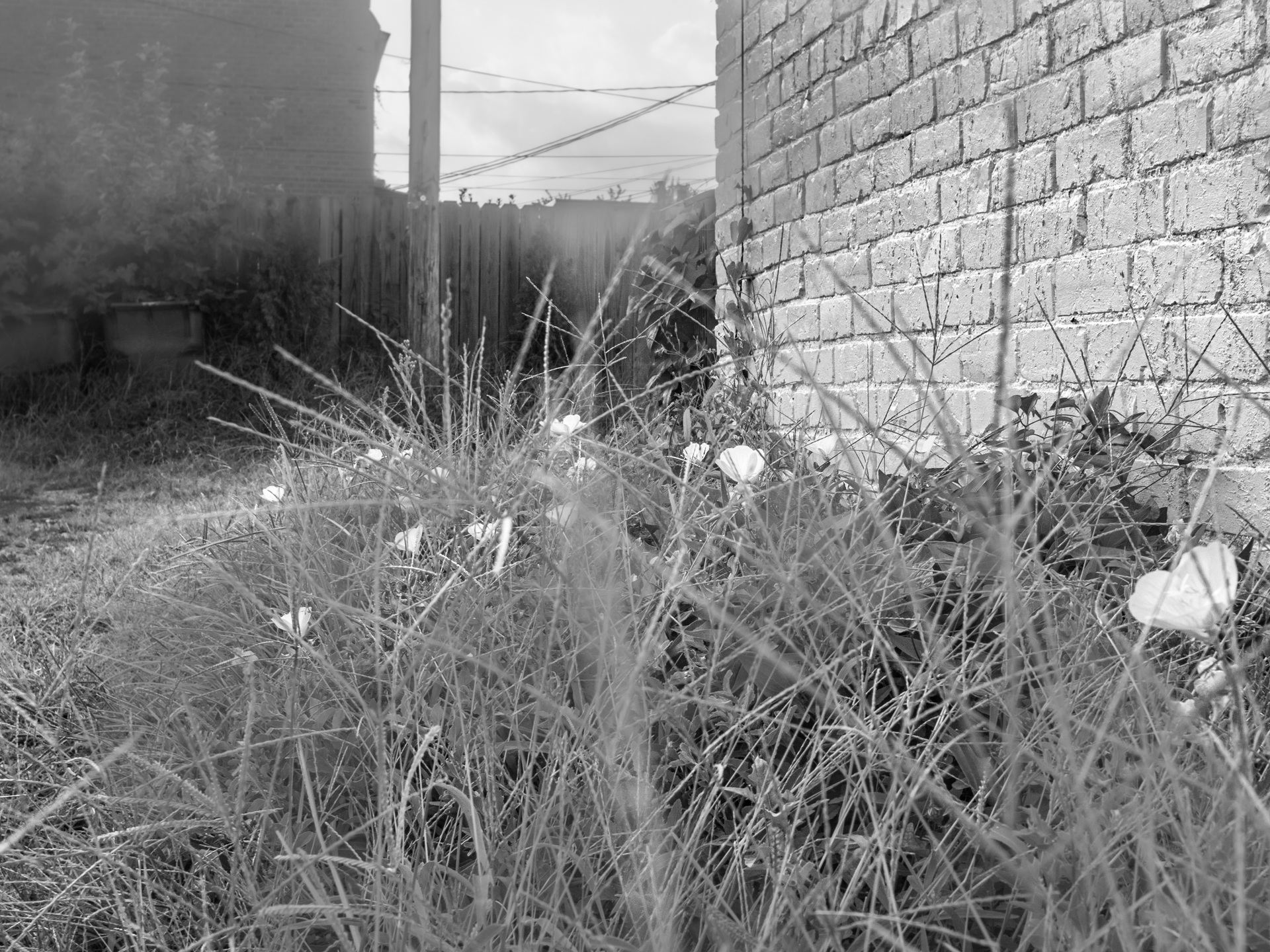
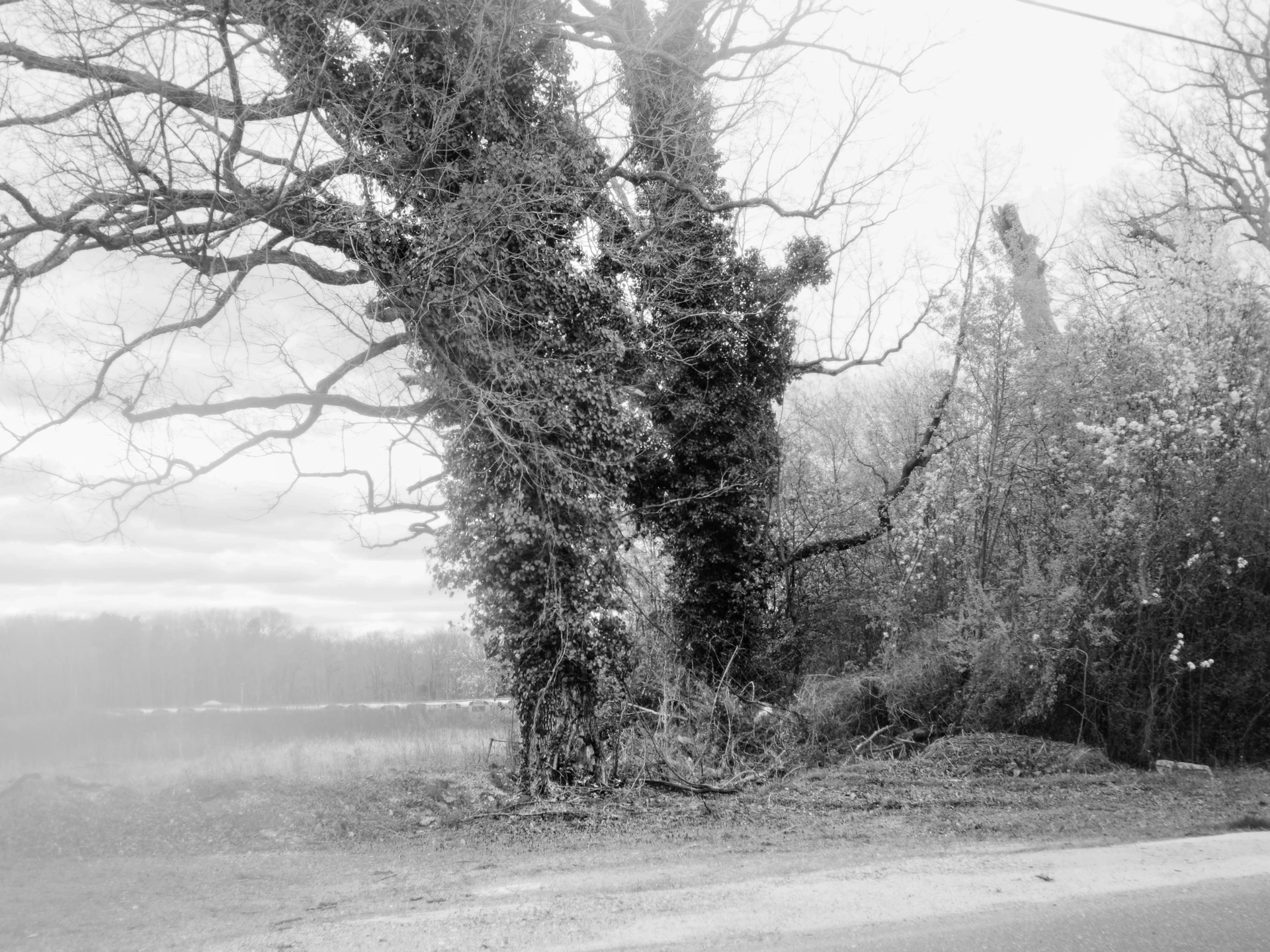
I will say that when Andrew hits the landscapes cloaked in sun, gently letting light filter in like a leak into his camera, I feel that he is firing on all cylinders. He is able to take a landscape and douse it in something halcyon, giving a sense of memory along the uncertain landscape of 21st-century America. Perhaps this type of image-making is indebted to John Gossage’s good friend Bob Adams. I cannot be sure, as the trees sag, with occasional blur through the curtain of light I have already mentioned. I am instead leaving with something forged from a consistent way of making pictures that elicit a feeling of haze, of uncertainty, but are imbued with something calming, assured, a placeholder amongst the cacophony of the times.
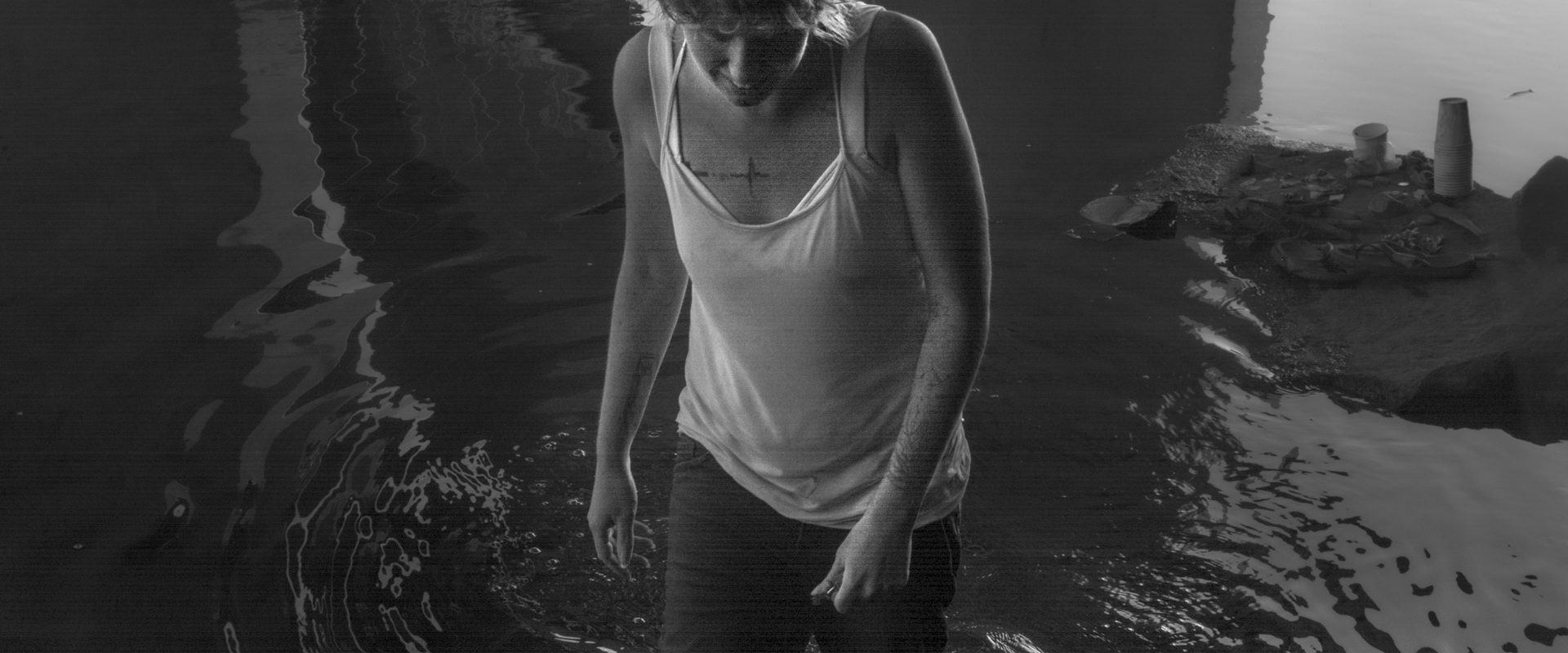
As for the portraits in the book, I am curious about some aspects of the work. There are moments when the portrait doubling, much in the service of Paul Graham and others, feels slightly out of step with the power of the single portraits. I often feel this is the result of wanting to get too many pictures into a book, and is endemic of the structural fade that seeks to challenge our reading, sometimes successfully, sometimes not. The doubles are ok, but they rip me from the lucid world that Ellis has crafted, which is a pity given the strength of the single portraits. It’s a small gripe, and one I hope isn’t held too close to the rest of the book’s successful parts. When I see Ellis’s singular images, I feel they reside in an echelon of photography approaching the magic I get from Steinmetz or Genitempo, that image where I don’t think about the mechanism, but rather feel the power or strength of a well-executed image. Some of his single portraits, such as the woman rising from the water or the man with his shirt pulled over his head, are clearly emblematic of Ellis’s strengths.
In this, and it is not specific to Andrew, but a forethought to anyone reading this here who is involved in the process of making books, is to suggest thinking clearly and thinking about what conveys the strongest ambition in your work, and do what you can to not dilute your brand and strengths with structural gimmicks.
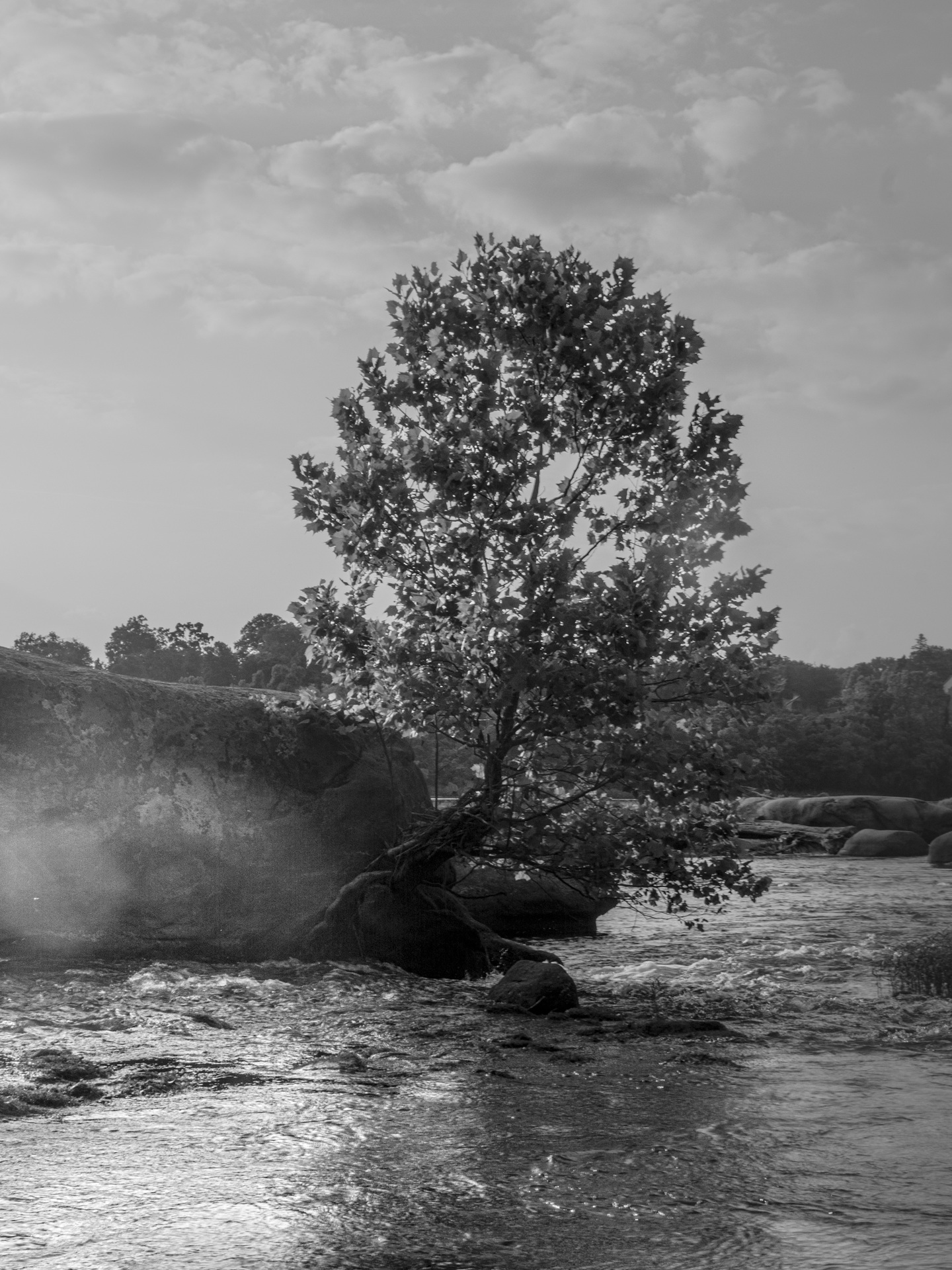
Overall, I feel like Ellis is very close to optimizing his vision. I feel this is a strong lead-up to what comes next, and providing some of the criticism I have above helps drive home the strength of his work. There is something incredibly strong in his landscapes and portraits, and I do wonder what a stronger edit of the book might have proffered, but let that not take away from what is a strong signal from an obviously talented photographer with room to capitalize and move the needle forward on the next body of work. For the moment, I think this is a solid offering, and if you find yourself staring into the abyss of America, at least bring back some good pics, as Andrew has.