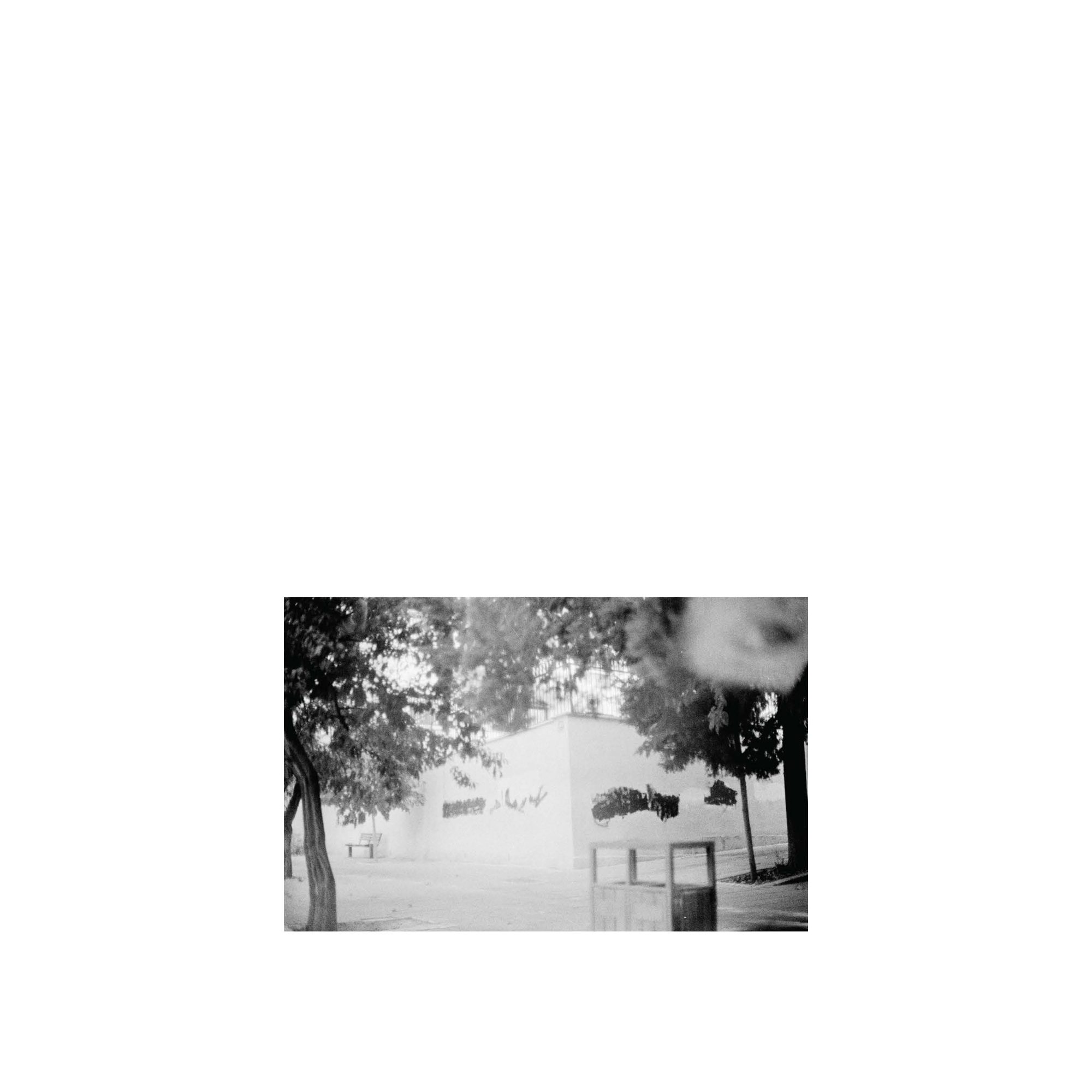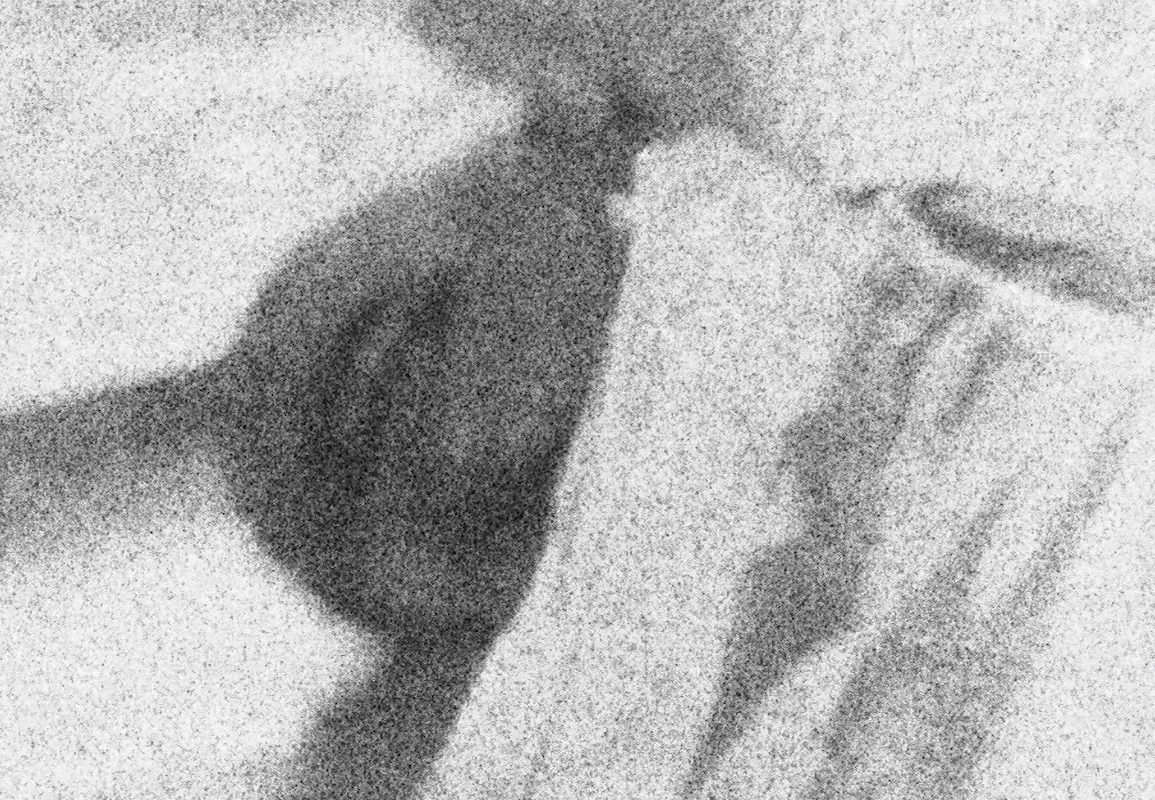
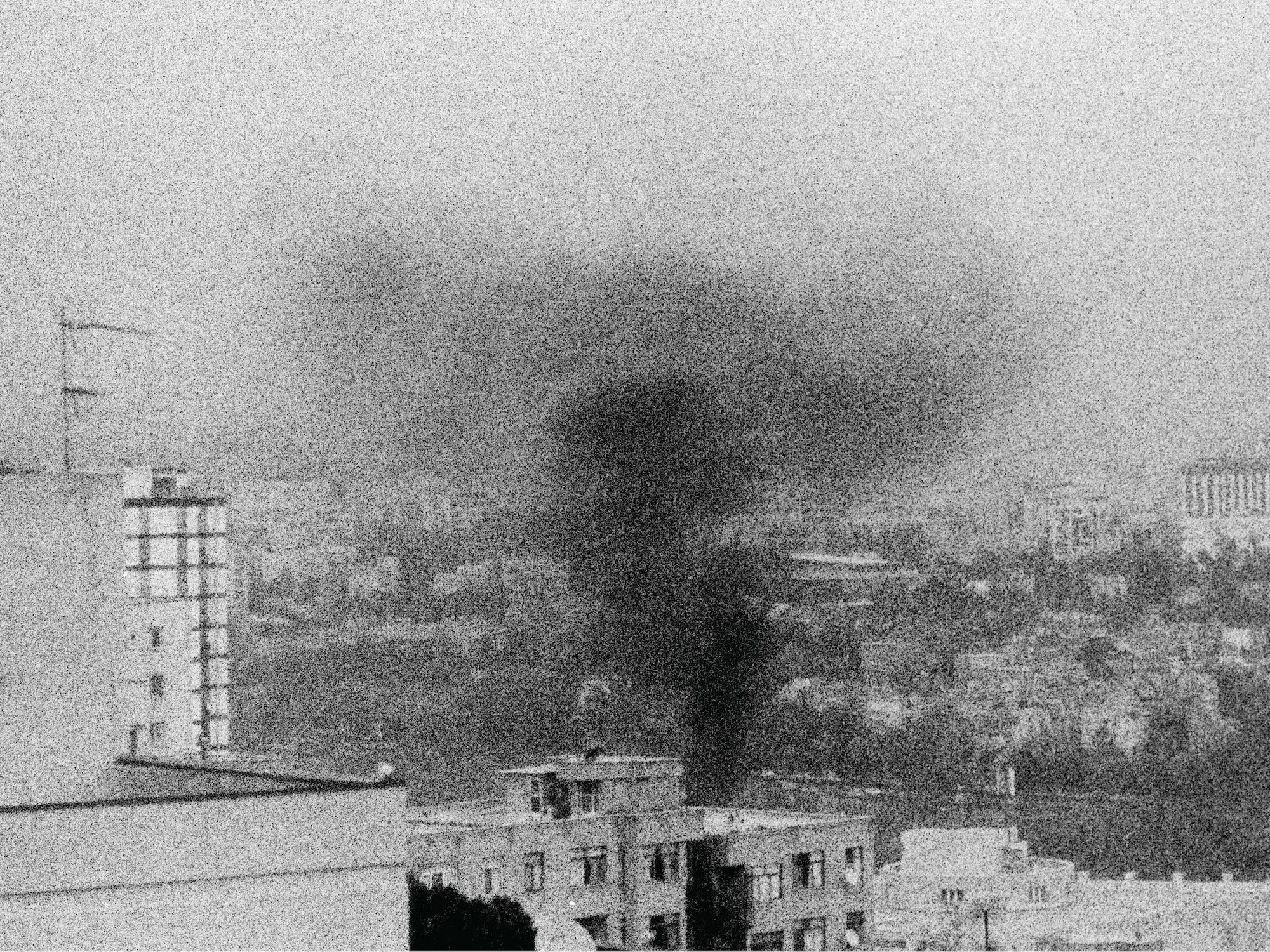
Everything feels perched at the precipice of dissolution. Stifled, held in a listless and ambulatory state as the world, governed by men in search of machines, asks us to forgo the rampant onslaught of civil rights, of disagreeable concerns concerning the future, for the contrarily stale epiphany of the Great Progress, a pogrom in silhouette. Alphabet city, CIA airwaves, destabilization, the question of whether water will return, all of these brazen and irritating motions towards the castrato future are in fact circulating as a reality, one of infinite possibilities, yet the dial is stuck on the least hospitable.
It is hard to know what to do in the face of disgraceful governance. Everything feels cast in a grey web of excrement, a thin weave of fog that creates slow movement, and asks those entering the vortex of hope and continuation to do so, choking on the thin gossamer webbing that stretches from one corner of the eye toward the plane of unseen vanishing points, surrendering to a forever, forever war, forever chaos, each fumbled step biting at the shins and heels to march forward from the deacaying mist. Extraction of hemoglobin, harvest of fertility, microplastics in the semen, hard to couch the extinction tendency in times like these. Time itself is a construct of money, of greed, of your last waking hours. As the crow flies, caught in the serrated manufacture of dreams dangling in the webbing, little is left but the vain recognition that somehow we probably had little choice on a hot rock basking in solar wind.

I have not been checking in as regularly as I should. I feel like lying on the cold and dusty cement floor of the garage to regulate my body temperature. Dog hair, the upturned husk of a beetle, and an errant piece of crumpled newspaper ask me to raise my head from the disorienting point of view. I feel as though here, a sack of animate bones, that I am likely to collect wrinkles, the tightening and course feel of my skin turning to lather as it runs out of liquid, like a body left in an anonymous hole in the Atacama Desert, here I am likely to collect spore and fungus, before the skin contracts over the cuticles lengthening the look of the kerotin in my fingernails. There is little resistance, just observation, just degradation, and symptoms.
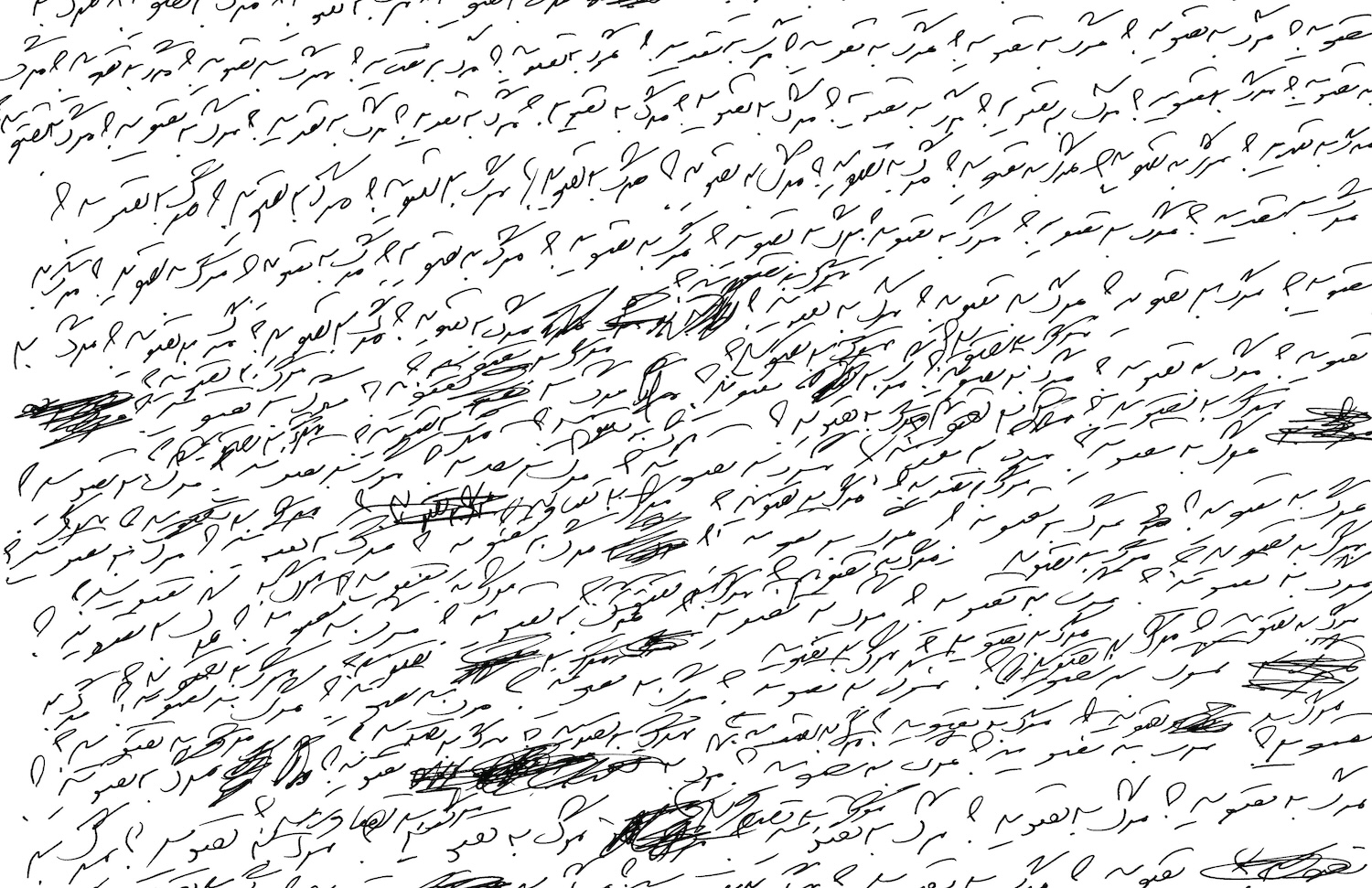
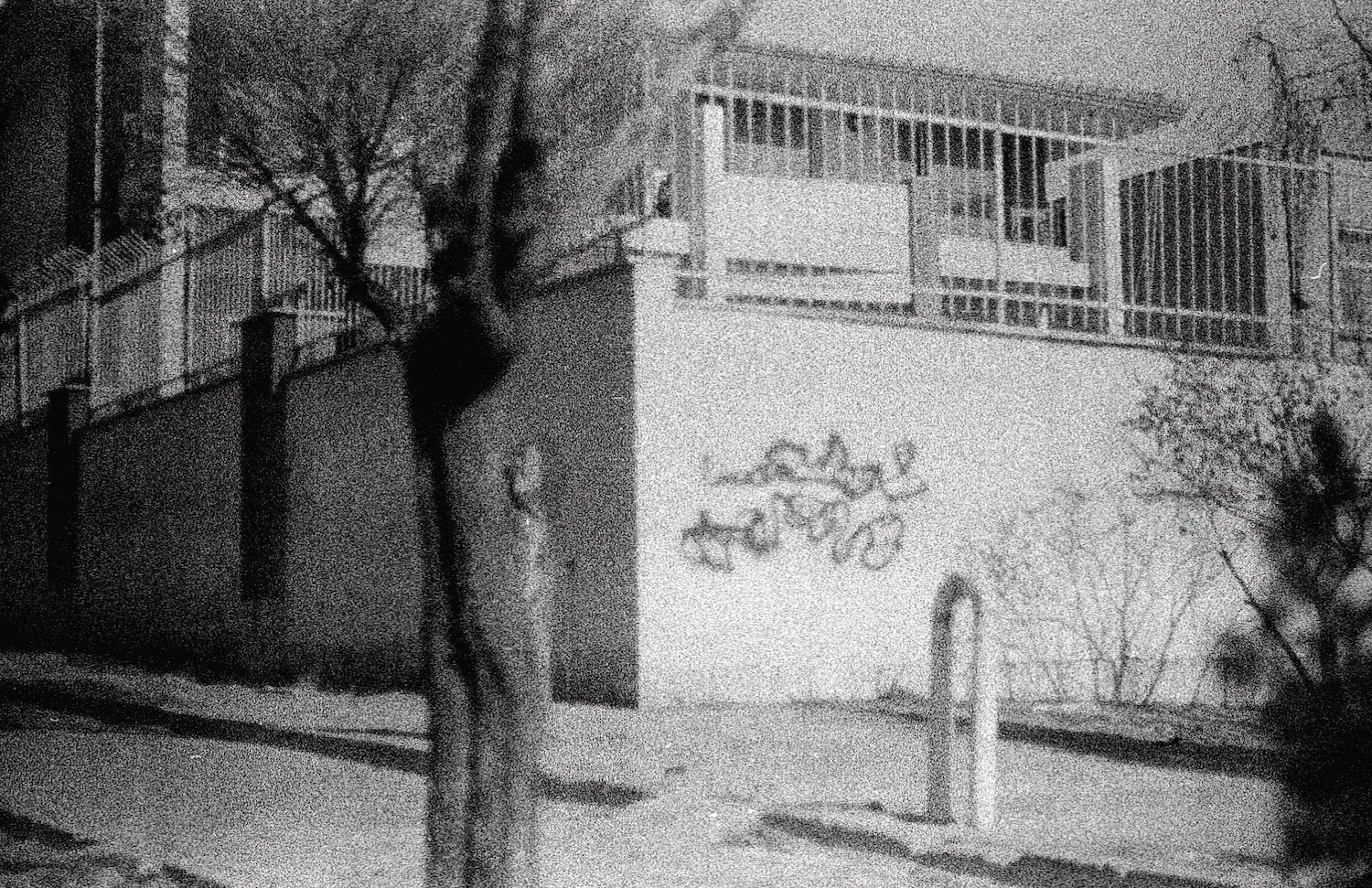
In looking for a clue to the etymology of Salakhi, I found various traces in Hindi, describing it as a ramrod or a long, thin, but solid tool. In Iran, Salakh is a well-known coastal location, suggesting a place, a geographic atmosphere, which I am inclined, given some of the photographs of grainy places, to read this as a meditation on an idea of place. This is perhaps a psychological terrain more than a physical one. The pictures in this limited-edition run are reminiscent, in ways, of Kerasu by Masahisa Fukase. There is also a feel of Anders Petersen, JH, Engstrom, and the Swedish granular. This stretched grain is interleafed with text, a dialogue between both artists who have come to respond to their existential condition, reflecting on an inability to connect, at least that is what my phone translated.
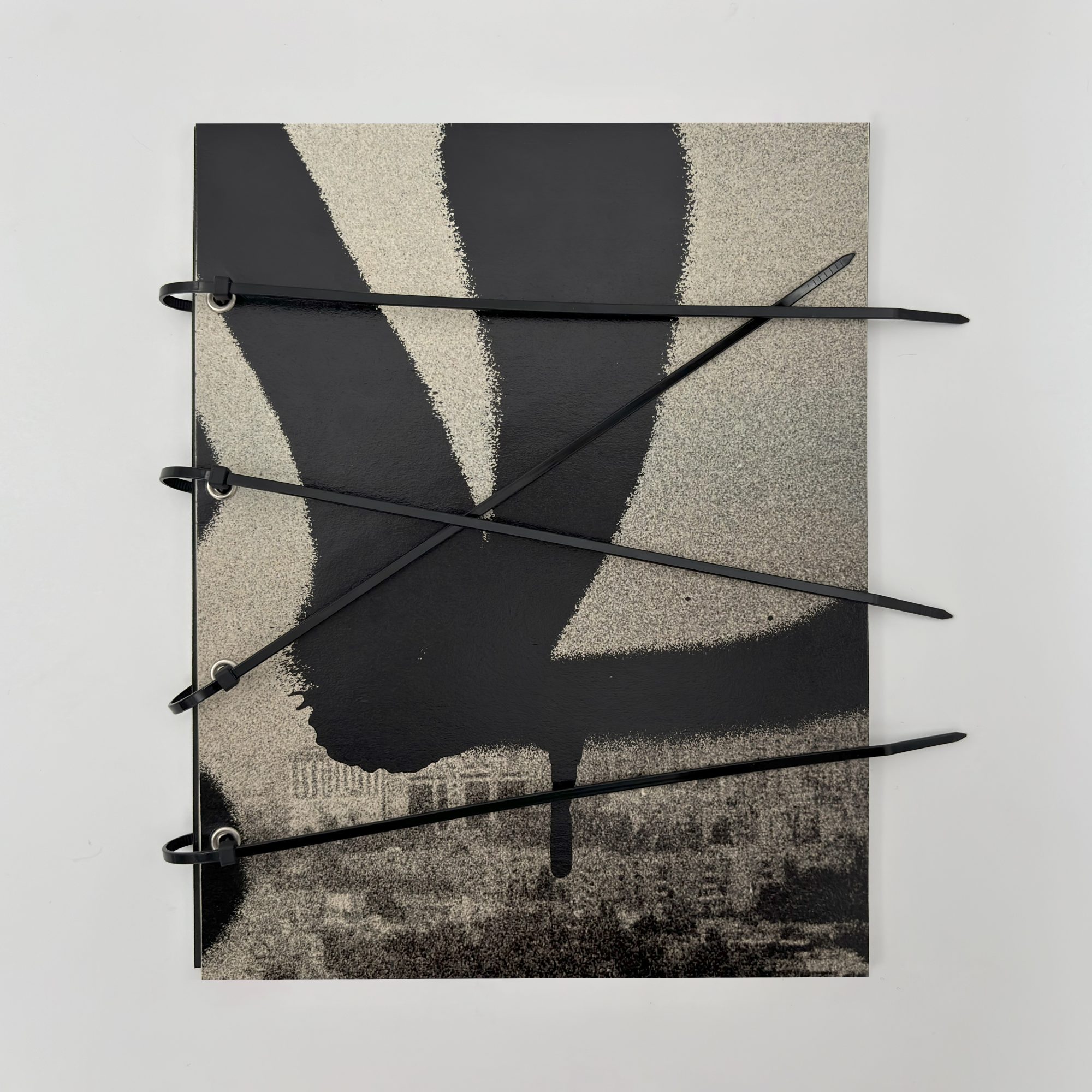
There is a real feeling of disconnection in the work that I find simultaneously oppressive and ultimately human. It makes the mind wander and ask questions of how our mental and physical exiles form a state of discontent with the world, each other, and our creativity. There is a longing implied. After all, what are we if not a seeking species, looking for contrary new and familiar forms simultaneously? Throughout the book, a sense of gravity builds as the text takes over many pages, the photographs serving as support, punctuating it, often reminding me of Cy Twombly. It is certainly not a “happy” book, but I can’t think of many that qualify for that emotion anyway. What is pertinent is the viscous sobriety of the text and images, interweaving a pure type of emotive quality, unsure and unrepetent. The binding, comprised of zip ties, is an interesting choice. It reminds one of constraint and torture, and it feeds into the black marks on the cover. Though it is published in a small edition of 50, I very much recommend it.