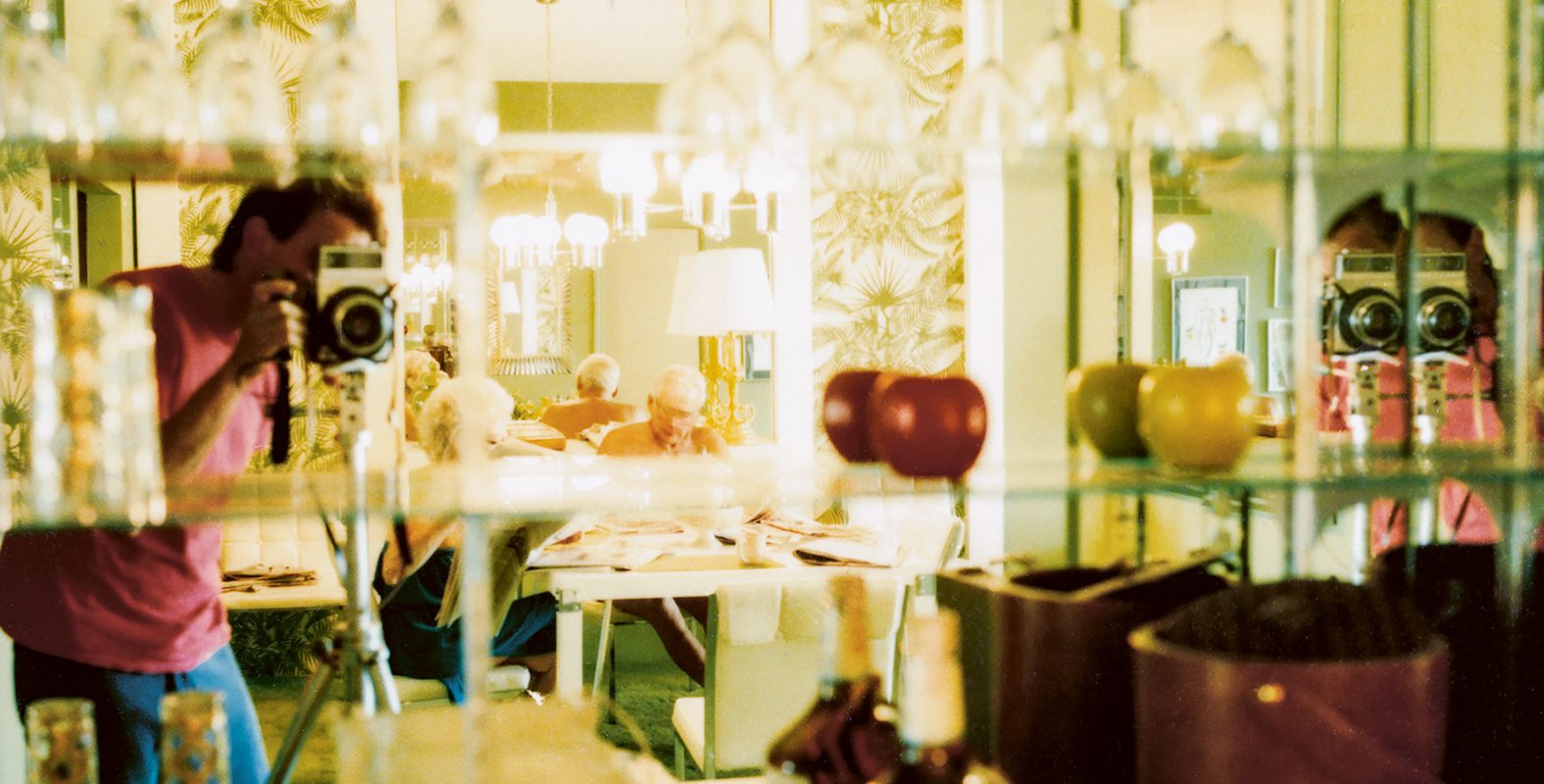
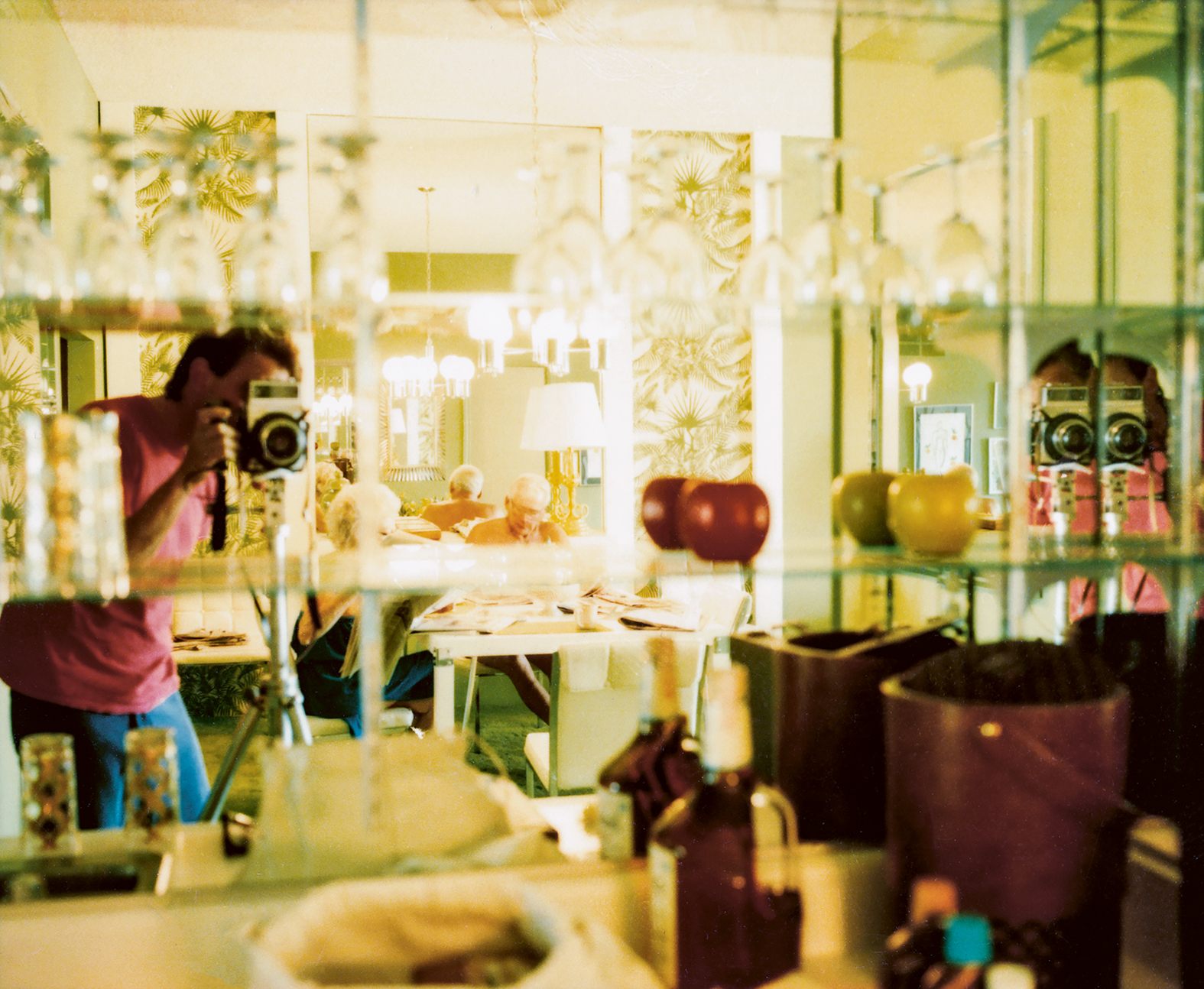
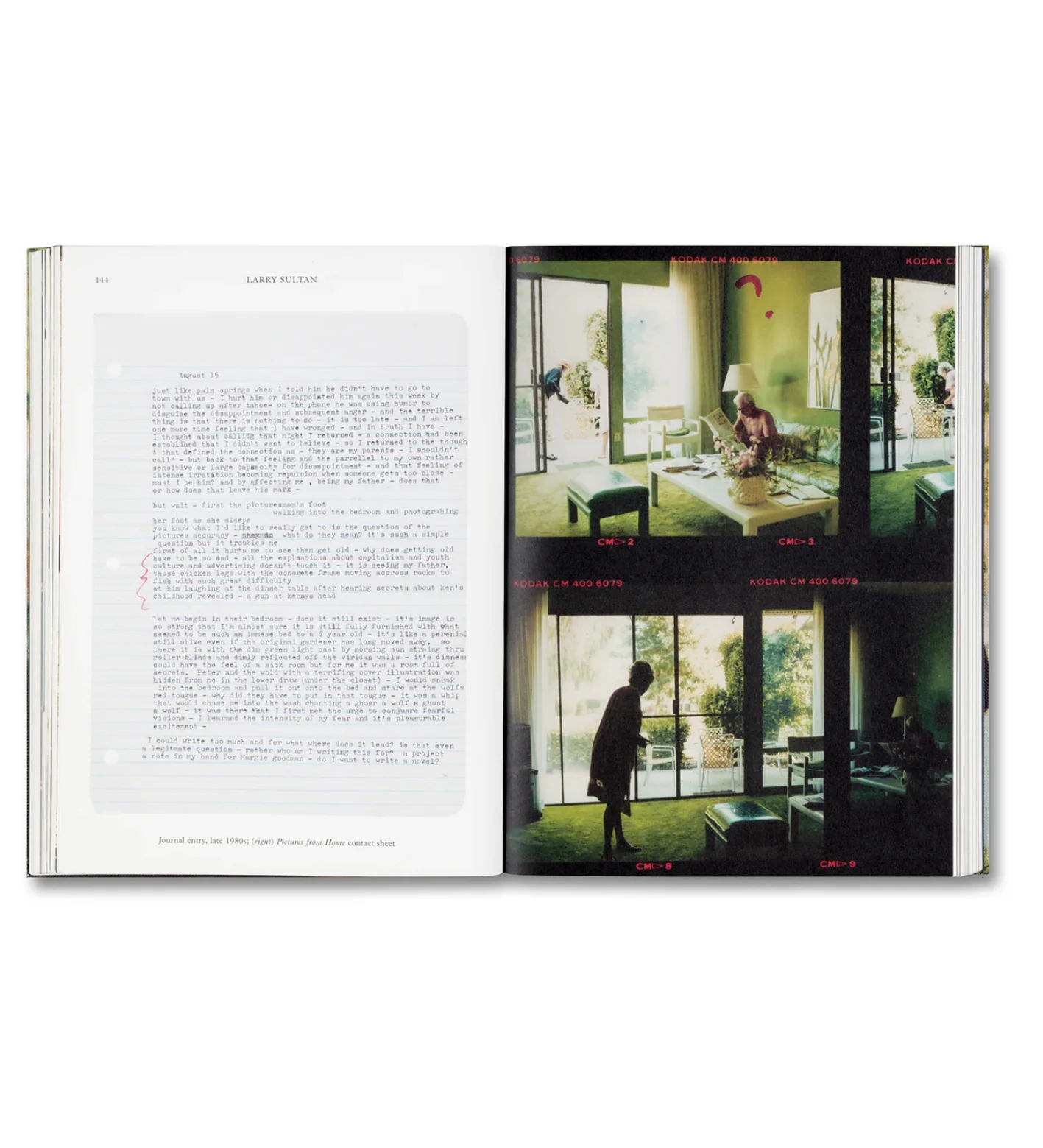
There has been a recent uptick in books devoted to the biographies and writings of photographers, and I am very excited about it. I wanted to share a couple of thoughts on it all. Sultan’s Water Over Thunder, published recently by MACK, includes many personal notes, anecdotes, archival letters, and ephemera from the artist’s oeuvre. It is a sweet compendium of the artist’s thoughts about specific projects, his relationship with Mike Mandel, and, of course, his family. There are journal pages and intimate thoughts, typed and scribbled, that express the wonderful, if often doubtful and humble, mind of the artist as he discusses the motivations of his work and the compounding interest of his life in art. Where most biographical sketches often exalt the author or subject into monumental status, what is incredibly refreshing with this exercise is how bare Larry reads as a human.
I previously met Larry in 2002/3 in Minneapolis at a talk he gave at the MCAD, the art and design university in Mineeapolis. It was just before he released the book The Valley in 2004, and his talk was one of the most humble I have ever had the chance to sit in on. If you are familiar with the work, which incorporates the back side of the pornography scene in the eponymous Valley, you will understand that it is a complex work that discusses cultural attitudes to sex, photography, and American suburbia, and what lies beneath the overwrought idea of God’s Country. At the time Sultan was working on the piece, he was finding his way with the subject matter. He showed us the work, and without being pious about it, he expressed doubt in his own intuition and desire to make the work. He discussed the challenging relationship he had with the work, openly telling a crowd of midwesterners that he was compelled to bring The Valley to life but was entirely unsure where it might be heading. I remember thinking, as a student, that it was some of the real-est talk I had heard from an artist or a teacher.
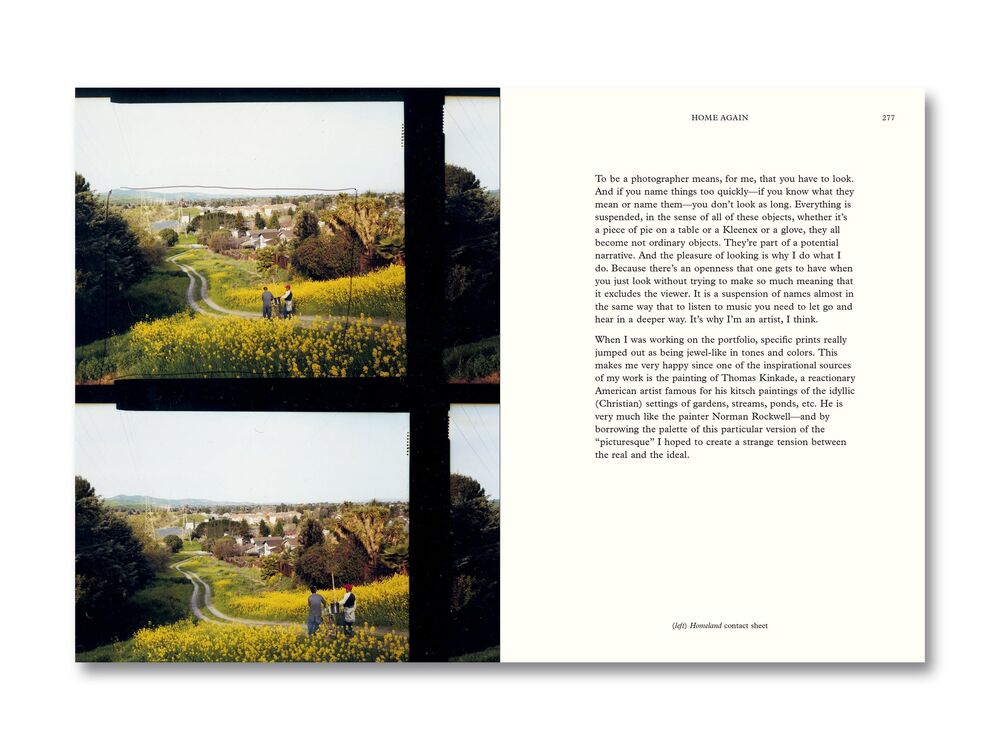
Concerning The Valley, the pictures were astounding, of course, but at its foundation, he expressed what many people were thinking, which is how to parse out the idea of document from the act of ethical/documentary conduct and how to make a work about the sex industry hold ground against the many criticisms that were likely to (and oddly never did) flood its reception upon release. He did not express agony, but seemed to be able to look at his own work with critical eyes, the eyes of a teacher. He understood that the work could derail at any moment and may not find its target without some amount of disdain or acrimony, and he shared this openly, thus discussing the inherent issues of making the work while also blatantly saying he was not even sure what had led him there in the first place or why he decided to make the work. I thought that was incredibly refreshing as a young person just getting started in the medium. It was bare, and to this day, I count Sultan as one of the finest artists that I crossed paths with for this simple act of honesty.
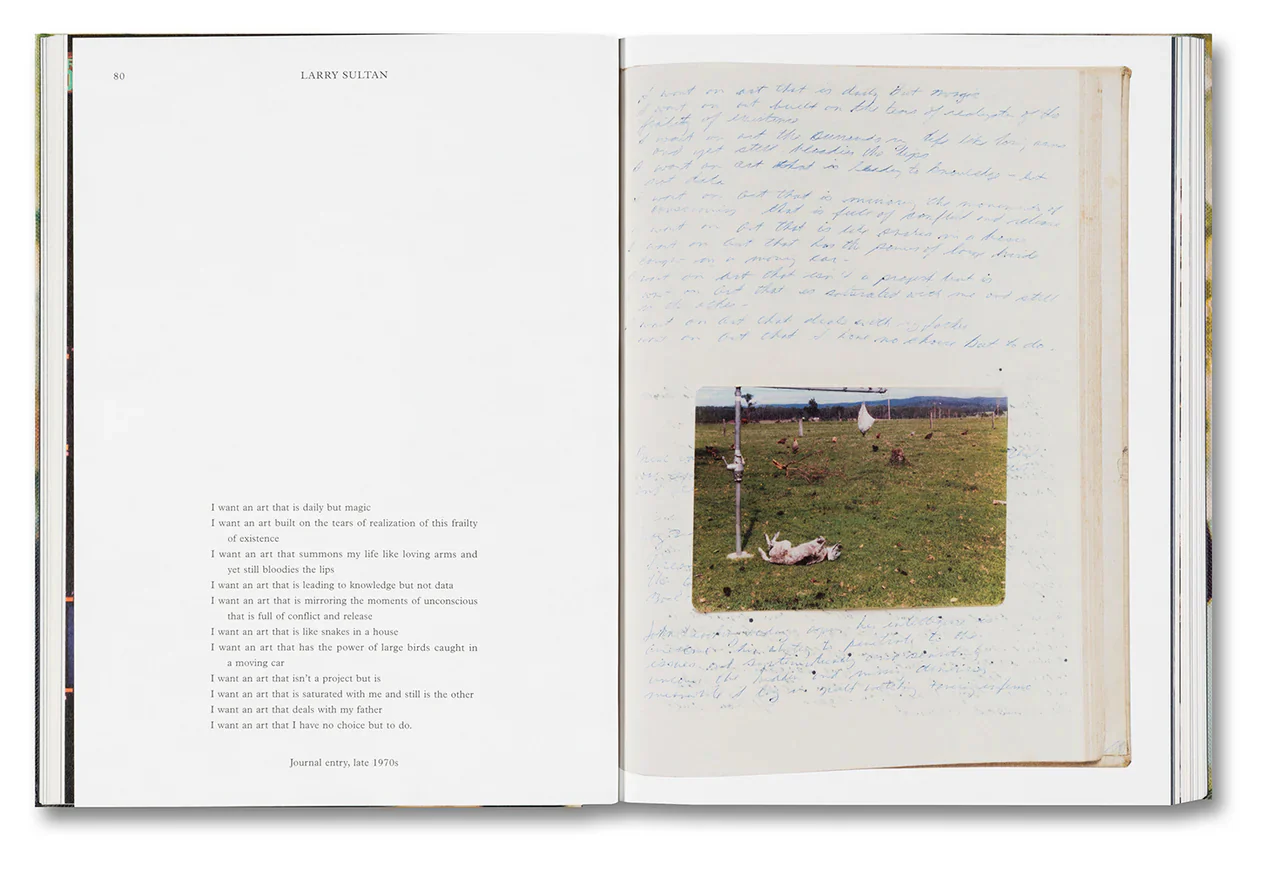 There is a feeling of self-deprecation in Water Over Thunder that is not too overwhelming, but is instead channeled through the way in which Sultan gives context to his practice against the seriousness of the art world and its dynamics discussing everything from his work with Mandel on their billboards to their book Evidence, a seminal publication that uses vernacular press imagery and strips the images within of their context, allowing for a playful, if at times jarring series of projections to occur when looking at the images and drawing one’s own conclusions. They are both aware of the idiosyncratic nature of photographs without supporting information, and use it to provide the often absurd subject matter a new life, read purely through the viewer’s associative processing. This, along with his emphasis on the vital nature of teaching, expands our understanding of Sultan. In speaking with former students of his, like Todd Hido, it has to be emphasized that Sultan’s legacy was as much about his thoughts on art as about his belief that it is an endeavor worth taking up, despite the psychological and economic challenges it entails.
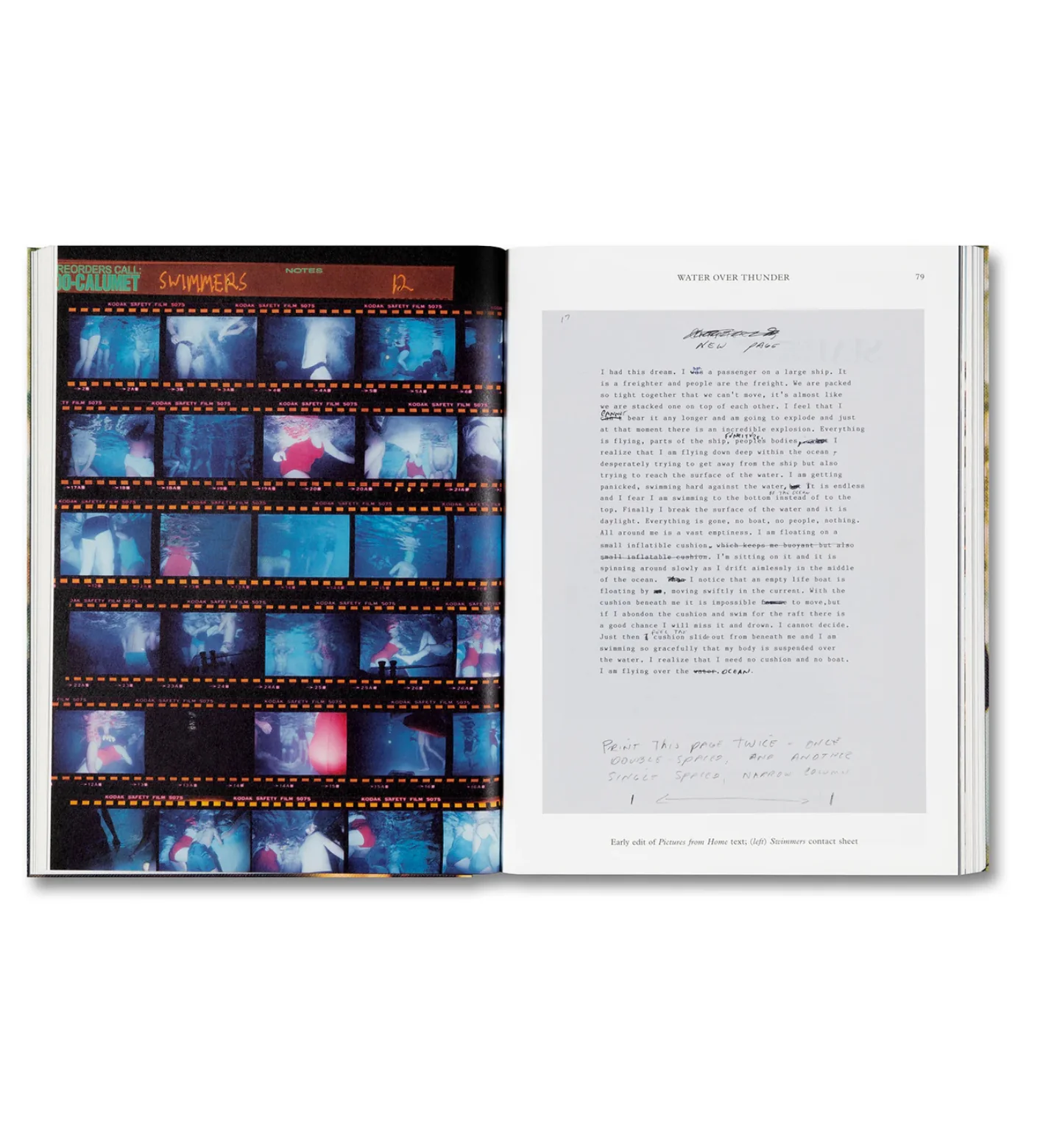
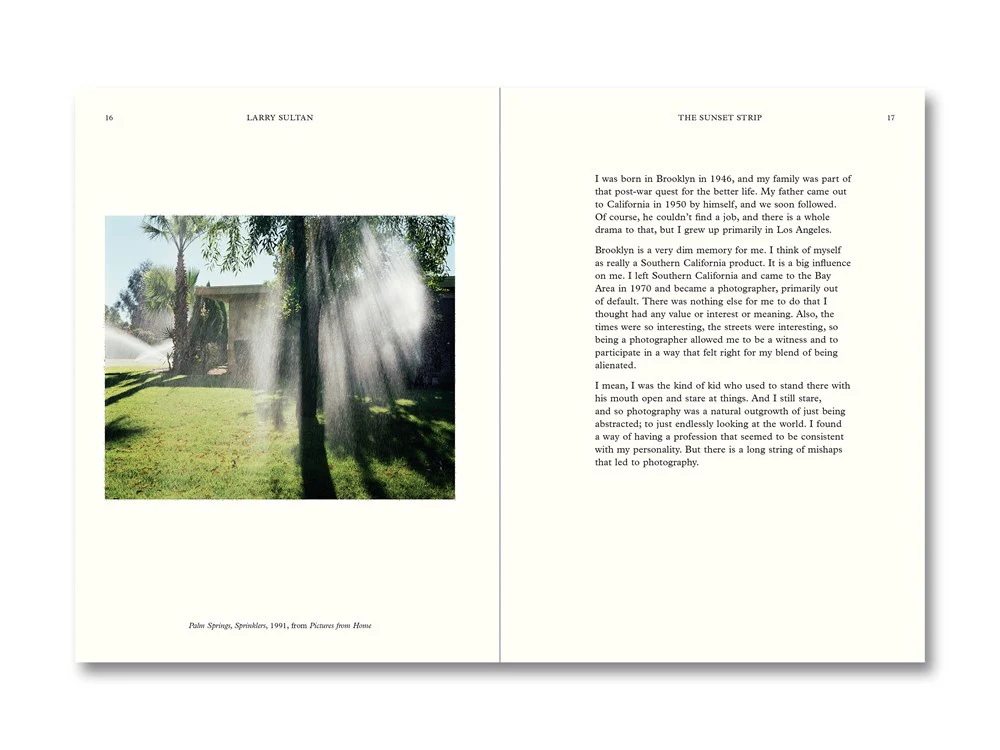
Of course, there is a lengthier section about his relationship to his parents and growing up in California, much of which is also found in Pictures From Home, his most celebrated book. Whereas that book presents quite a bit of his autobiography and his relationship with his parents in a glaring spotlight, the notes on his upbringing and his relationship with his father in this book of notes are particularly illuminating. There is a hint of a strange father-son Oedipal adventure in the text, with Larry actively seeking closeness with his father through sensual, uncommon descriptions of his physicality. There is an obvious love for both his mother and father, but the masculine relationship between him and his father is acutely delineated and offers considerable insight into the work that follows. It is incredibly humane, somewhat bizarre, but nevertheless essential to unlocking the work and Larry’s life.
This, along with Mack’s recent books on Germaine Krull (insane life) and Lisette Model, has been a phenomenal offering that has gone mostly under the radar, which I find slightly telling of the photography community at present. After thirty years in photography, I have always wondered why our corner of the world has so few biographies or published, accessible essays. Whereas there are standout books in the field, overall, if you want to dig into an artist’s career, there aren’t many books out there. This is slightly symptomatic of art in general, but photography really does seem to represent a small slice of the overall interest in biography. Perhaps it is more of a problem with the category of biography than anything else, but having these writings bound into a book that fits in the hand and can be read without a coffee table has been incredibly useful.
 I will relish dipping back into this book. I believe there is more to glean from the effort, and after reading it once, I still find an unmatched honesty in Larry and his work. I would challenge anybody with a serious interest in photography, art, or life to give this book a go. I can’t imagine there not being an essential takeaway for most people. It is littered with genres of thought about photography and with this bizarre idea of creativity that we tacitly embrace, something inordinately hard to find and fleeting. Possibly the most affecting photography-oriented biography I have read since Ghost Image by Hervé Guibert, well worth the spin.
Water Over Thunder
Larry Sultan
MACK