
I am writing this dispatch from Athens, Greece, where we are currently on the second day of shooting. The following work is part of the Nearest Truth Workshops, The Dailies workshop, which includes instructors Bryan Schutmaat, Matthew Genitempo, and Brad Feuerhelm. The workshop outline is detailed as follows:
Dailies is a newspaper term for a daily publication, and in this case, we will broadcast our workshop efforts via American Suburb X at the end of each working day. There are no rules about the content, so long as it can be considered an indexical experiment in response to the given prompts. Text will also be included in future posts, and participants should be prepared to write notes, however lucid or lyrical, and have them available for inclusion in the daily publishing of the material.
For this second day, the participants were given the assignment to consider the city of Athens through two photographic topics, in which they were to return with up to eight final images per subject, which are to be broadcast here on American Suburb X. Though the term Dailies originates from newspapers, we are looking at the subject matter as adjacent to the documentary or journalistic tendency. It is a mechanism to inspire participants to complete these assignments in the city under the tutelage of Schuttmann, Genitempo, and Feuerhelm daily. The topics for the day have included the following themes, in which the participants responded to the environment.
- Text in the city
- An image of a reproduced image
The following images from the participants are the result of their interpretations and experiences of making work in Athens. You will find the participants’ names below each pair of images. Please consider the work as part of a holistic group approach to the themes. Participants included in the work are as follows: Jack Sciacca, Tyler Sharkey, Johannes Huwe, Britt Andersen, Andy Bosselman, Giulia Thinnes, Johannes Kremer, Pedro Agra, Karl Bailey, Michael Obrien, David Myers, Stavros Charisopoulos, and Emmaule Coupe-Kalomiris.
With this post, we have encouraged participants to jot down notes about their experiences. It was not obligatory, so responses are limited, but I believe that the work is evidence of their thoughts and subjectivities in equal measure. From David Myers’s disappearing figures on the graffiti-littered streets of Athens to Tyler Sharkey’s use of hotel television to capture people speaking about the Vietnam War and his images of disappearing museum-goers on Google Earth. The assignment reflects a loose exchange concerning text and reproductions in the city. That said, participants were given these as prompts to motivate, but they were not obligatory.
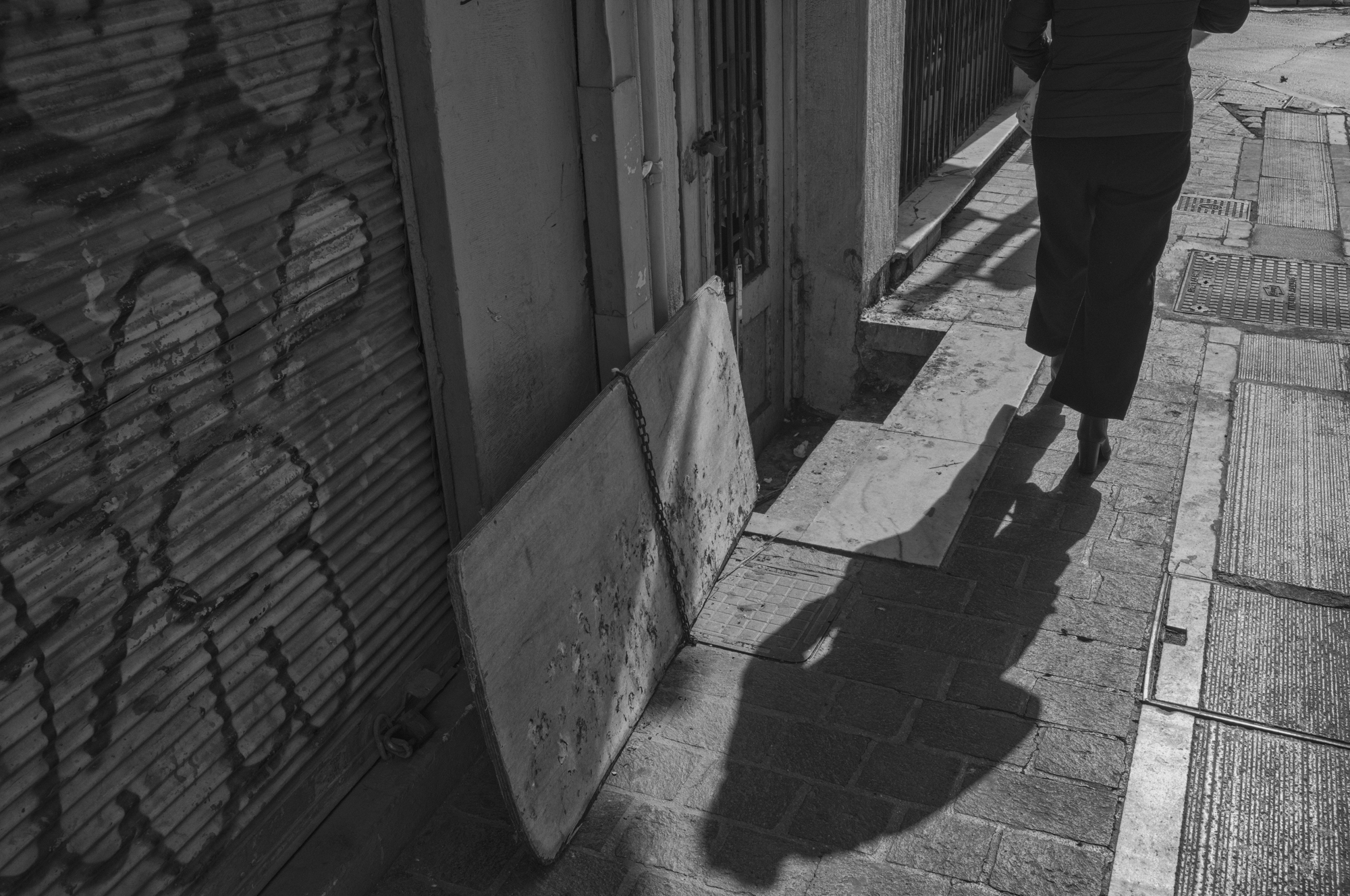

Above: David Myers

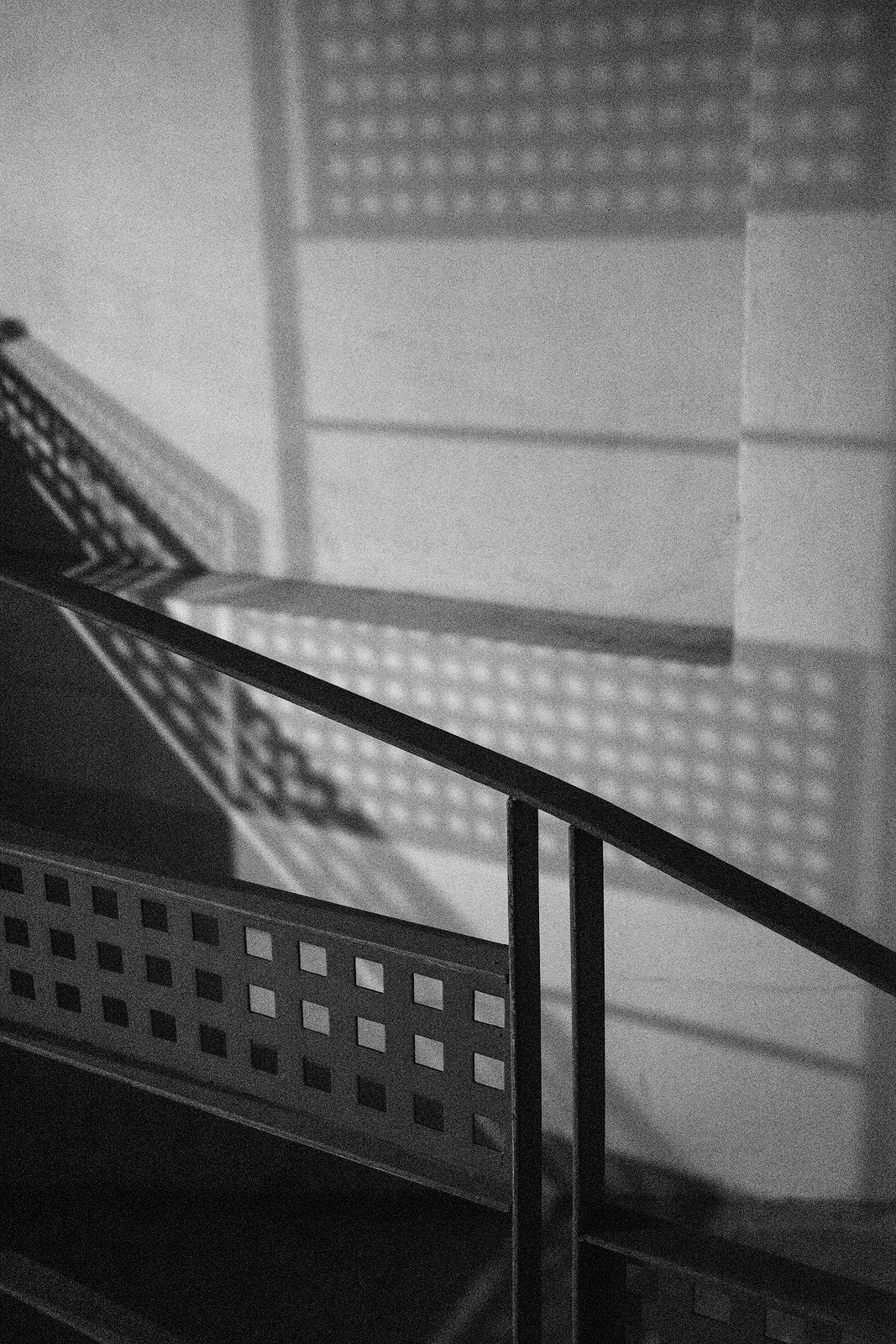
Above: Stavros Charisopoulos

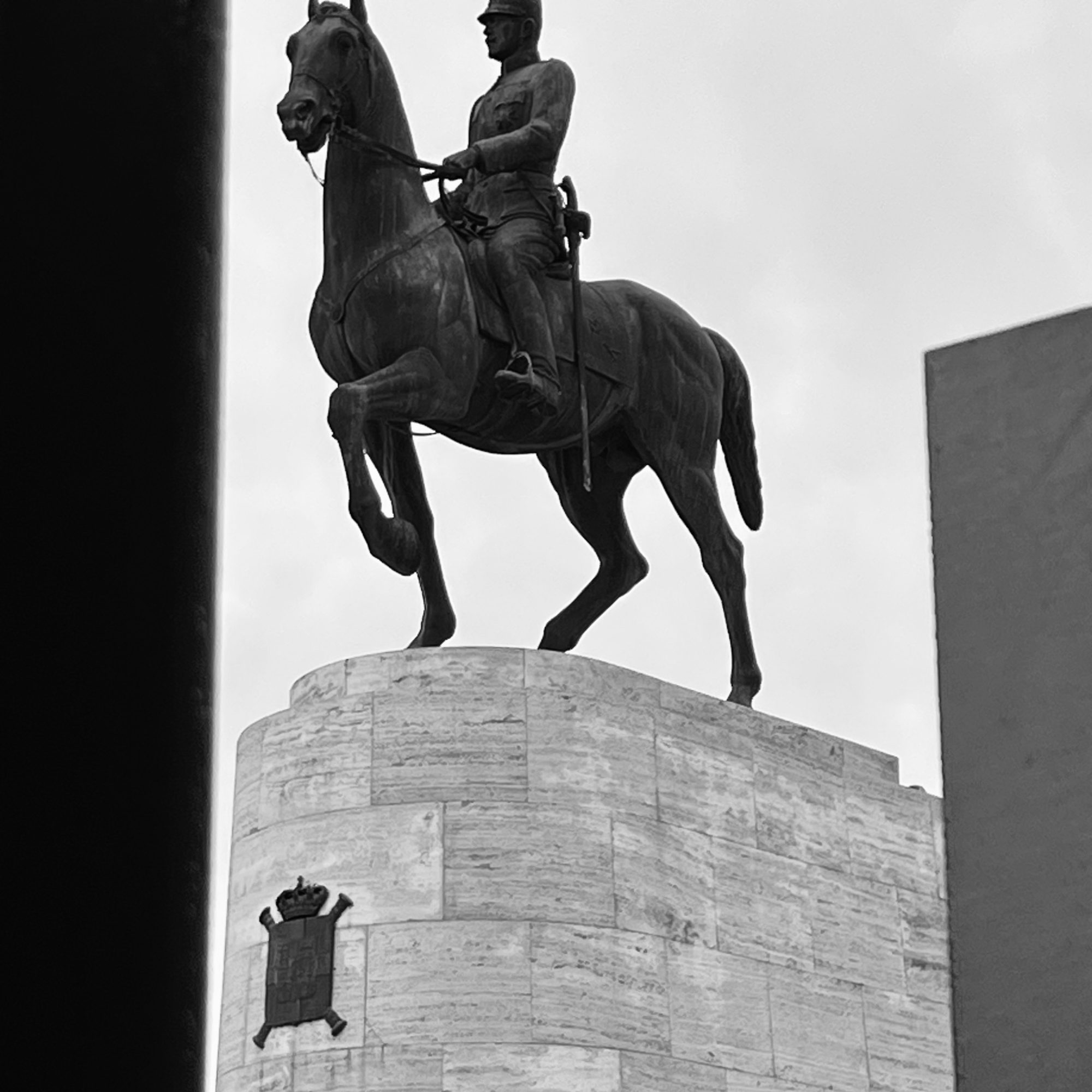
Above: Pedro Agra


Above: Johannes Kremer

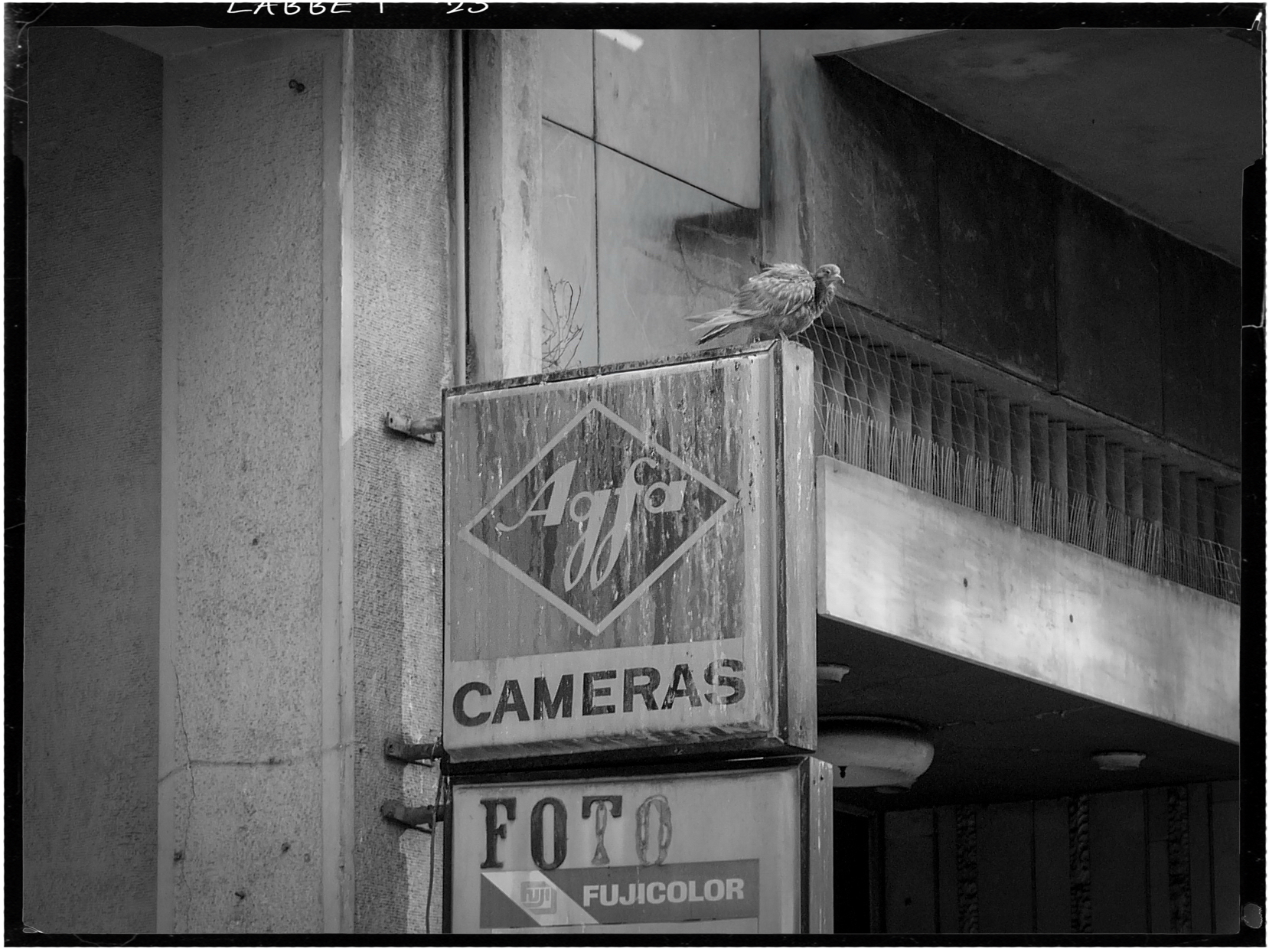
Above: Johannes Huwe


Above: Jack Sciacca


Above: Giulia Thinnes

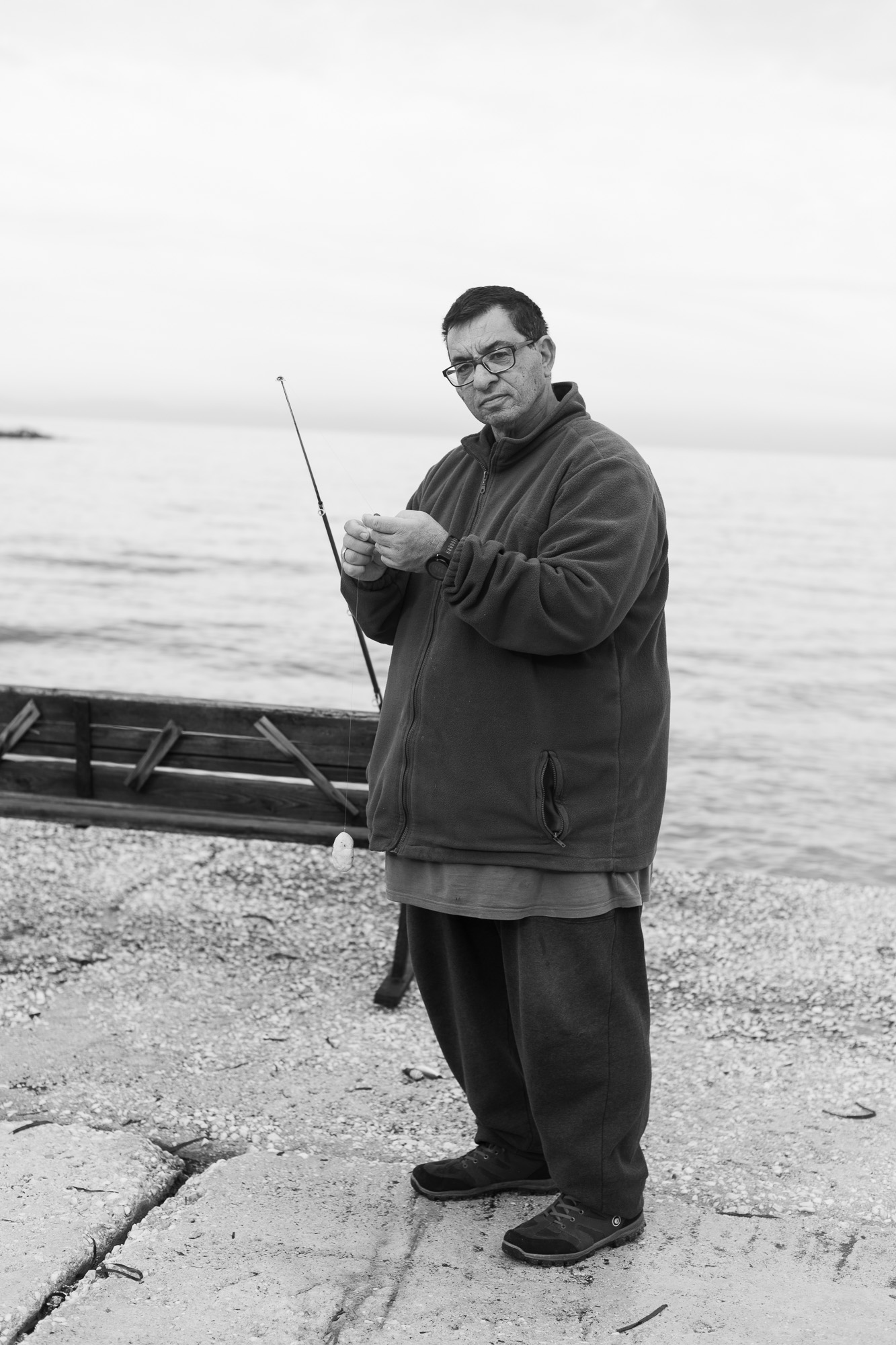 Above: Britt Andersen
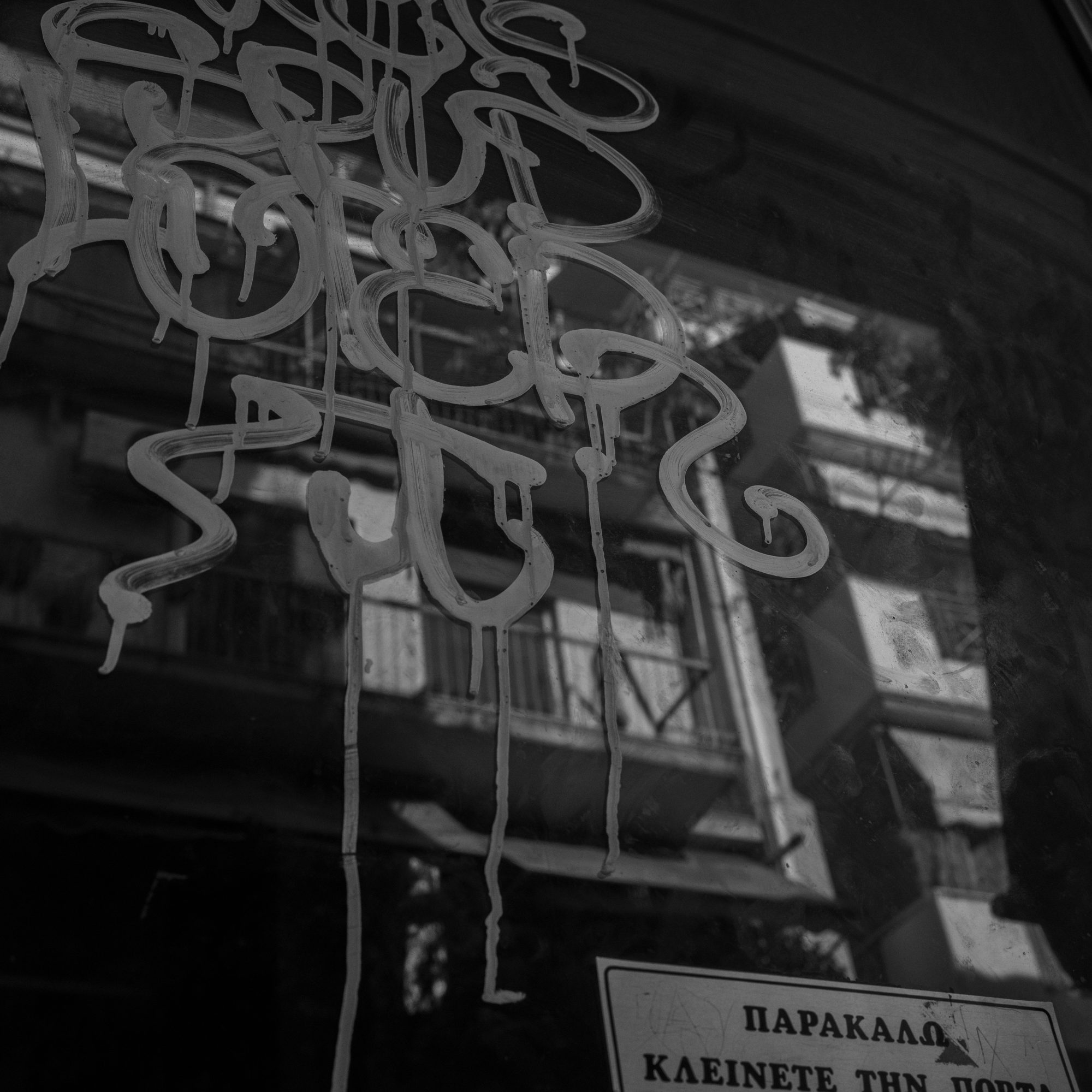
Above: Andy Bosselman


Above: Karl Bailey
From up here, the birds sing louder, and the rumbles of the city are distant; the wind whistles through the trees and carves around its stone seats, worn down by years of visitors searching for a place to think. The stone is graffiti; this is a local’s place, somewhere to share a beer with a friend, away from the outstretched arms of the city. These high points are few and far between; most are reserved for the gods, but both places are culturally important for different reasons. But here, the parks belong to all Athenians.


Above: Emmanuel Coupe-Kalomiris
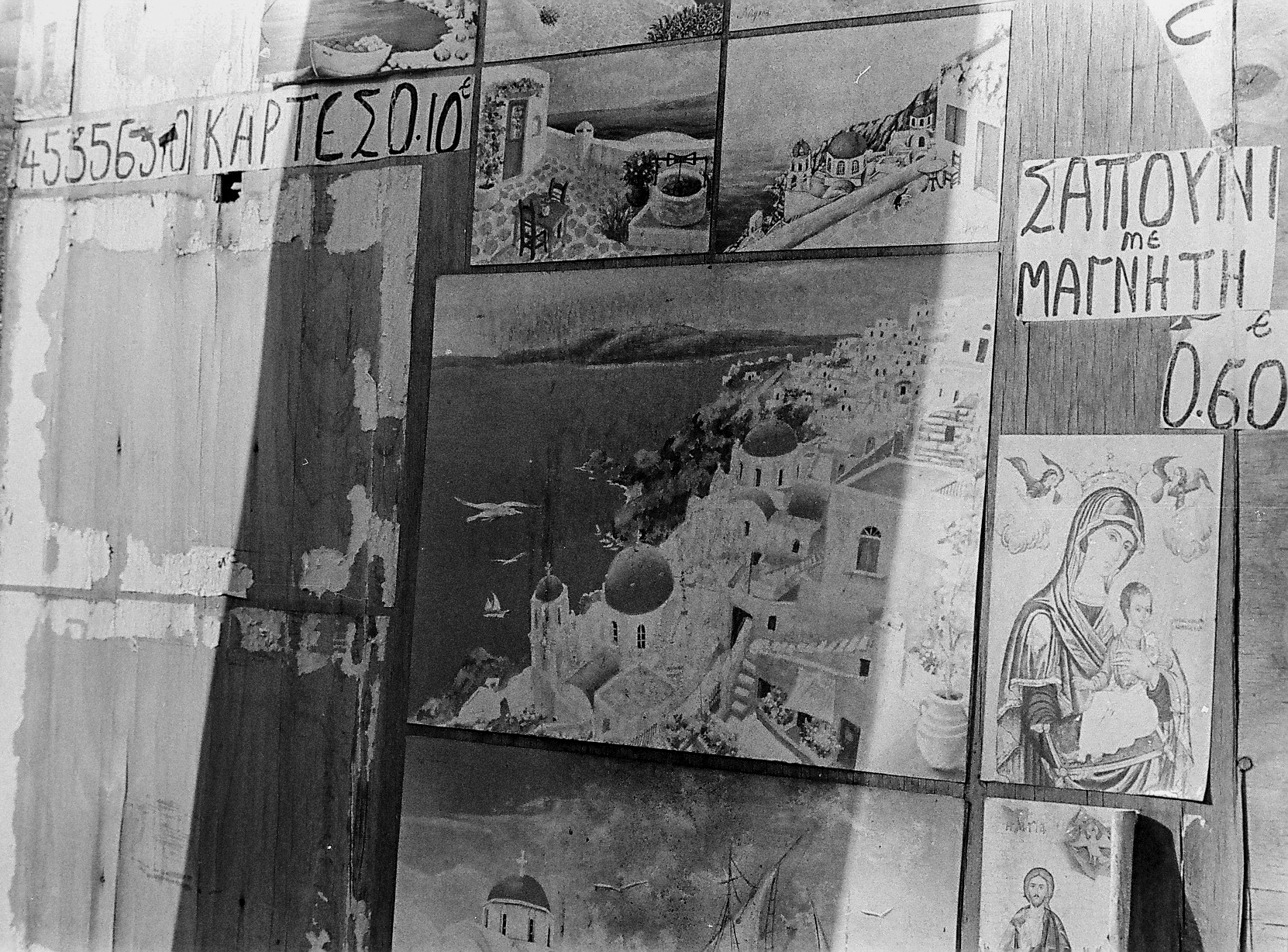
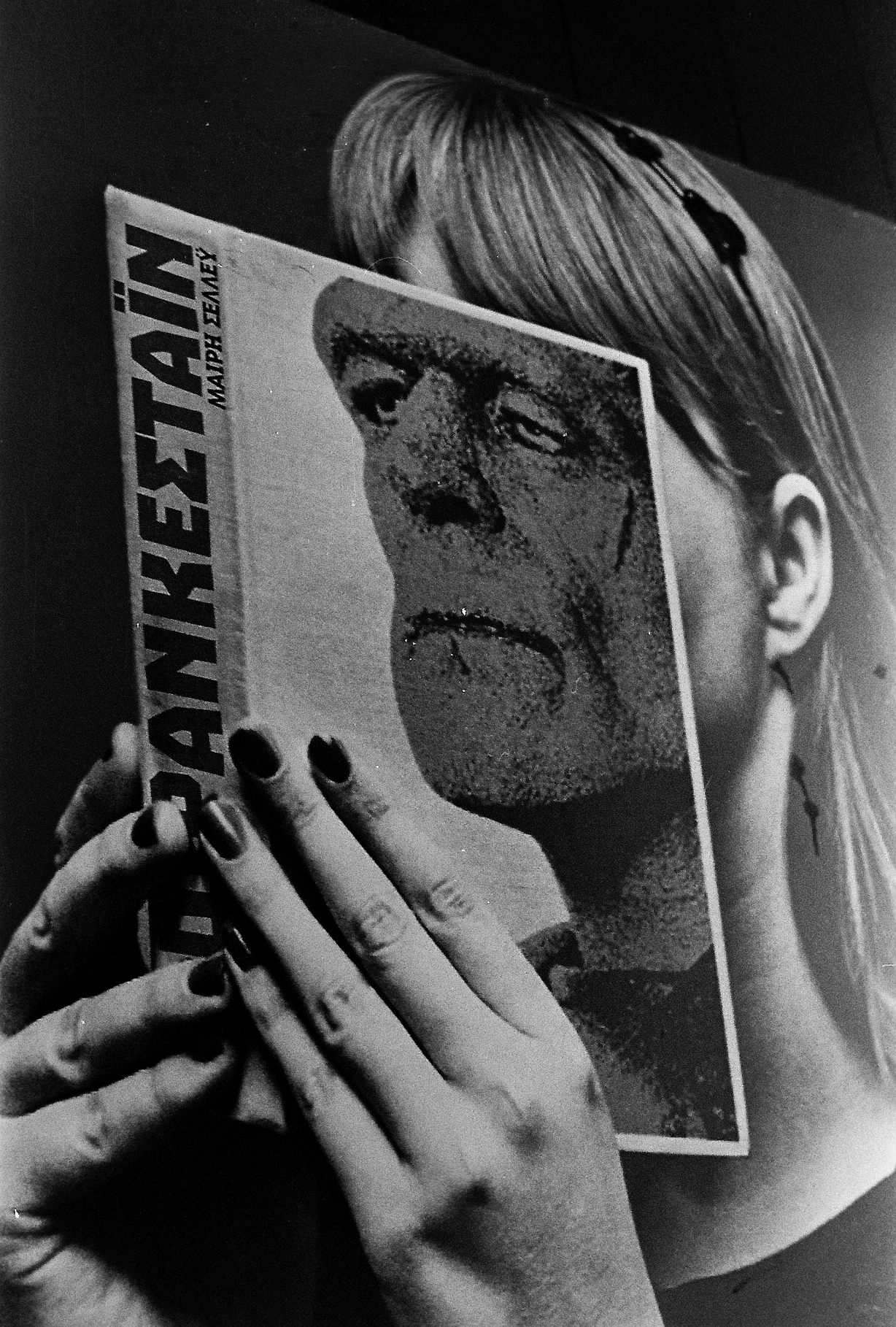
Above: Michael Obrien
Shooting street and portraits has pulled me out of my usual way of making pictures. My typical process is solitary, unfolding in the middle of nowhere. Navigating a new city and approaching strangers, however, has placed me into a different rhythm. The textures of the city, the faces, the constant visual noise are intoxicating. Bryan challenged me to make only portraits, and between the rejections, I managed to find two today.
Photographing text proved more difficult. Even though I didn’t understand the sign itself, I understood that the paintings on the board were for sale—the universal language of money.


Above: Tyler Sharkey
For day two of the workshop, the prompt was pretty straightforward: reinterpret an existing artwork as a photograph. The only problem was that it was raining, and my jet lag was fully setting in. So I tried imagining “How can I do this without leaving my hotel room?” I wanted to find a way to push myself to make work even when the conditions weren’t ideal. So I turned on the only English-language channel on TV and found a documentary about the Vietnam War featuring interviews with soldiers. I grabbed my camera, slowed the shutter speed, and began photographing these talking heads.
Unsure that I would fully satisfy the prompt, I looked for other ways in. I got on my computer, opened Google Maps, and began looking for museums I could visit the next day to shoot some more. Then I realized with Street View, many of them already had an interior image, so why not photograph that instead? I virtually wandered through the National Archaeological Museum, capturing images directly from my screen, loosely in the spirit of Doug Rickard. Blurred figures and fragmented bodies appeared alongside ancient statues, resulting in images that, if nothing else, gave me a bit of a laugh.
This way of working sits outside my usual practice, but that’s the point of a workshop like this. Try something unfamiliar, and maybe you’ll be surprised. So I did, and I was. Maybe I’ll push down this road a little further and see where it leads. Or maybe it will quietly find its way into what I already make.