
Daan Paan’s Floating Signifiers, published by The Eriskay Connection is a fascinating study of a type of aesthetic evolutionary morphology as evidenced through several case studies concerning image typology from trees, hinting at ecological questions through fantasy-driven tropes such as the Panta Rhei birthing figure, executed from popular culture, culled from Stephen Spielberg’s Indiana Jones and its discussion extended into its past incarnations of pre-Colombian sculpture. Other studies include the Lion Man, an ancient hybrid of man and lion sculpture, which the artist draws on by aggregating contemporary culture, from anime and cartoons to more historical perspectives on the figure.
What is fascinating about Paan’s work is the artist’s ability to play with these images through the contemporary period. Whereas each historical discussion or case study alludes to a deep history of objects and images, what is significant is to understand their morphology through contemporary attitudes or iterations of their imagery. I am delighted to examine the subject matter of the Lion Man and the use of vectoring that Paans employs in contemporary discourse surrounding the objects or tropes of desire. Material culture is fascinating this way, as are the archetypes in which they are elicited, though.
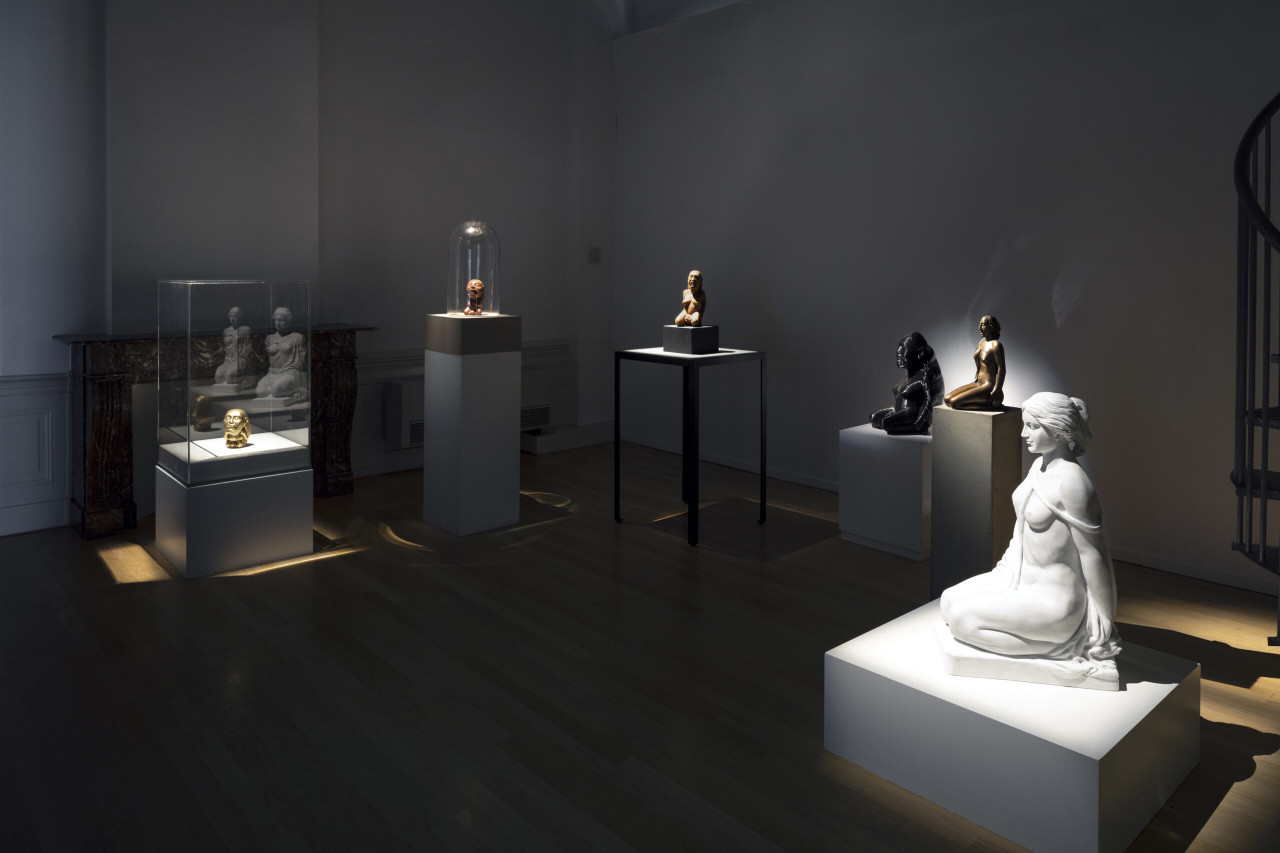
Of course, this type of taxonomical discussion of archetypes in material culture has its forbearance in the work of Aby Warburg, amongst other visual anthropologists and art historians. Still, I believe that, as a methodological slice of visual materiality, it signals what could be a very long list of similar discussions, and the artist would, as far as I can see, be busy for a long time if this is how the artist works.
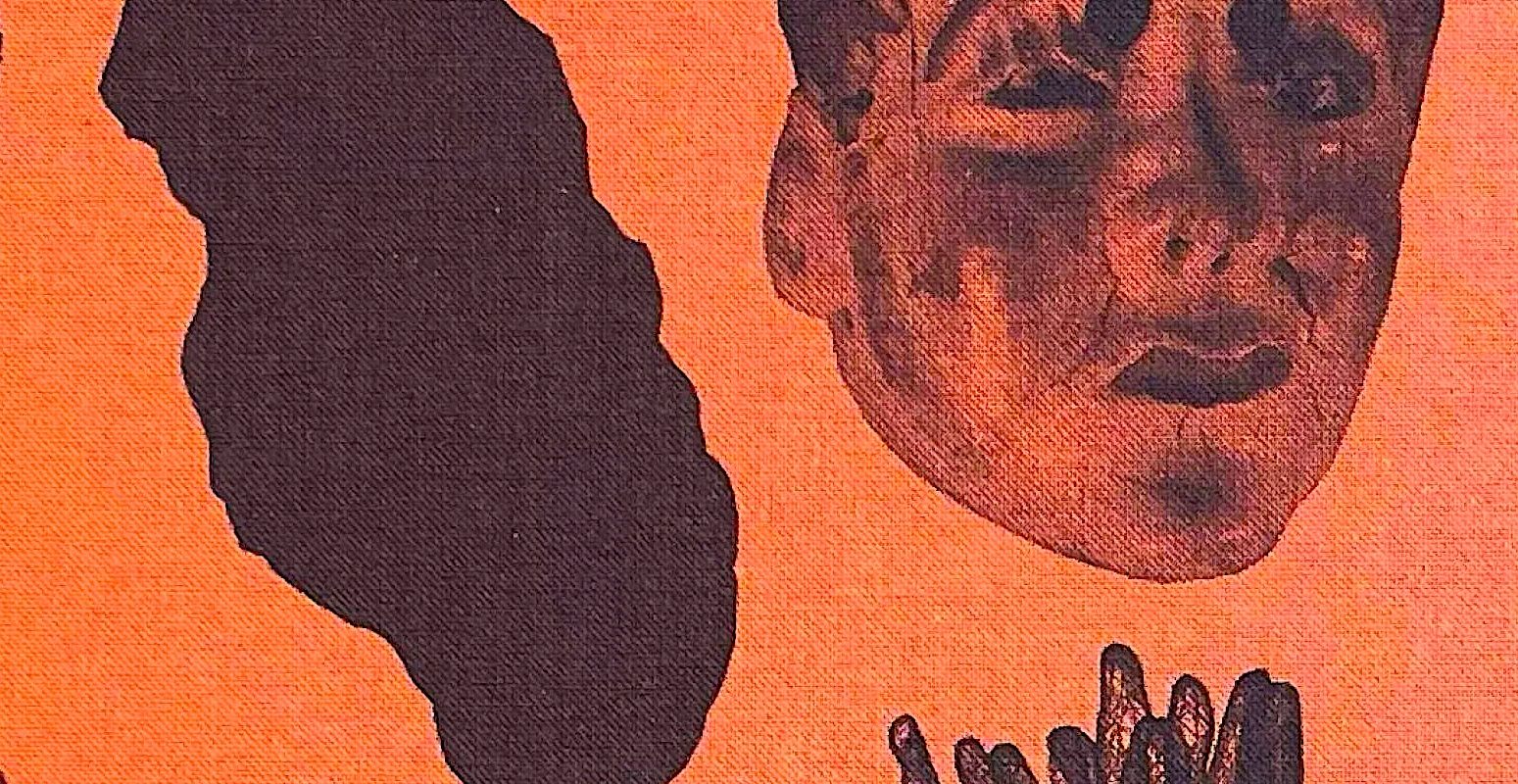
I do have a few remarks regarding the book’s design and some of the photography within. First and foremost, I was taken by the beautiful cover design by Rob at Eriskay from afar. I saw it, and it really tripped a nerve in my design cortex. The orange cover in many ways was a gamble with its screen-printed images, and it did run the risk of becoming pumpkin-esque in its play, which would be fine with me, but I do not feel the associations are too concrete to make that feel seasonal. In fact, I believe the design is possibly the strongest part of the book, notwithstanding the work of Paans inside. This stimulation of design and follow-through of material culminates in a lovely project.

Where the project could be slightly stronger, and this comes as a somewhat picky choice of critique, is that the photographs that Paans employs, particularly of the first case study of trees and the latter case study of Pre-Colombian masks, are not technically powerful. The trees suffer from poor lighting, and unless I missed them being rendered as well, do not make good or even decent photographs, especially when pitted against the strengths of the historical paintings found in the book on the same subject matter.
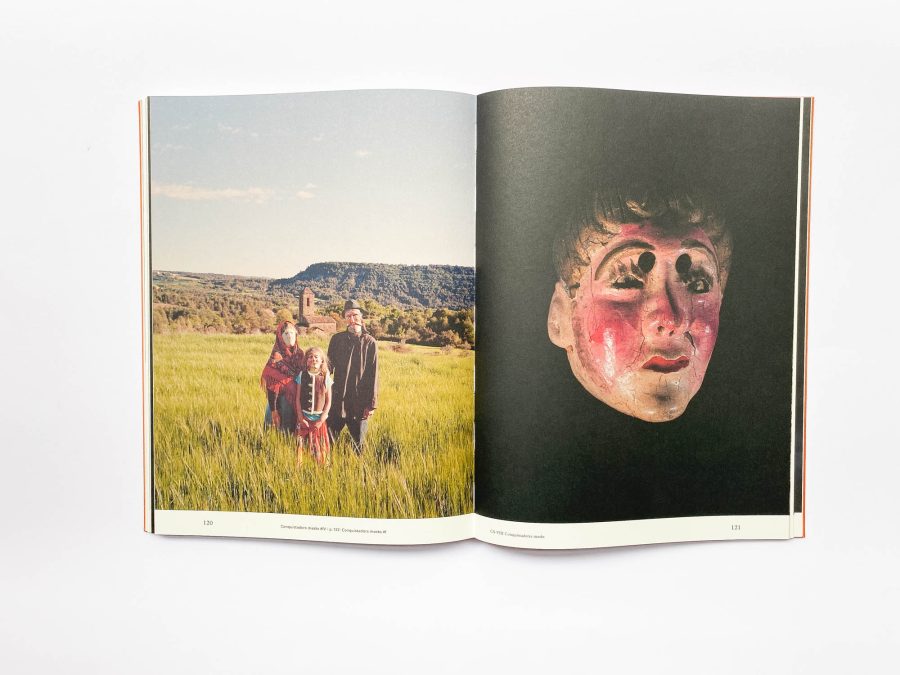
In the case of the masks case study, the photographs are better, but this ground has been trodden ad infinitum in terms of folk masks; see Charles Freger, Estelle Hanania, Pieter Hugo, etc. There are also historical examples. Whereas I realize that the geography is slightly different, as are the colonial attitudes and discussions concerning the masks, I feel like this is an area where the use of rendering might have been more successful, or at least, a different form of photographic enterprise that might be more successful if considered away from the obvious tropes.
All in all, I think it’s a fantastic book, and though I might argue about some of the photography, what it points to is a lasting discussion surrounding how we view images, objects, and materiality in our current contemporary moment. It suggests that we have a most extended timeline of discussions stretching back through human history, asking why we gravitate to the objects that we do and how we facilitate making those discussions current, or how we dislodge the idea of historical thinking into something vaguely more in line with humanist perspectives outside of scientific or historical absolutes. What the book shows through Paans’ work is a continuation of images along a much more significant timeline in an era when human extinction is a real possibility.