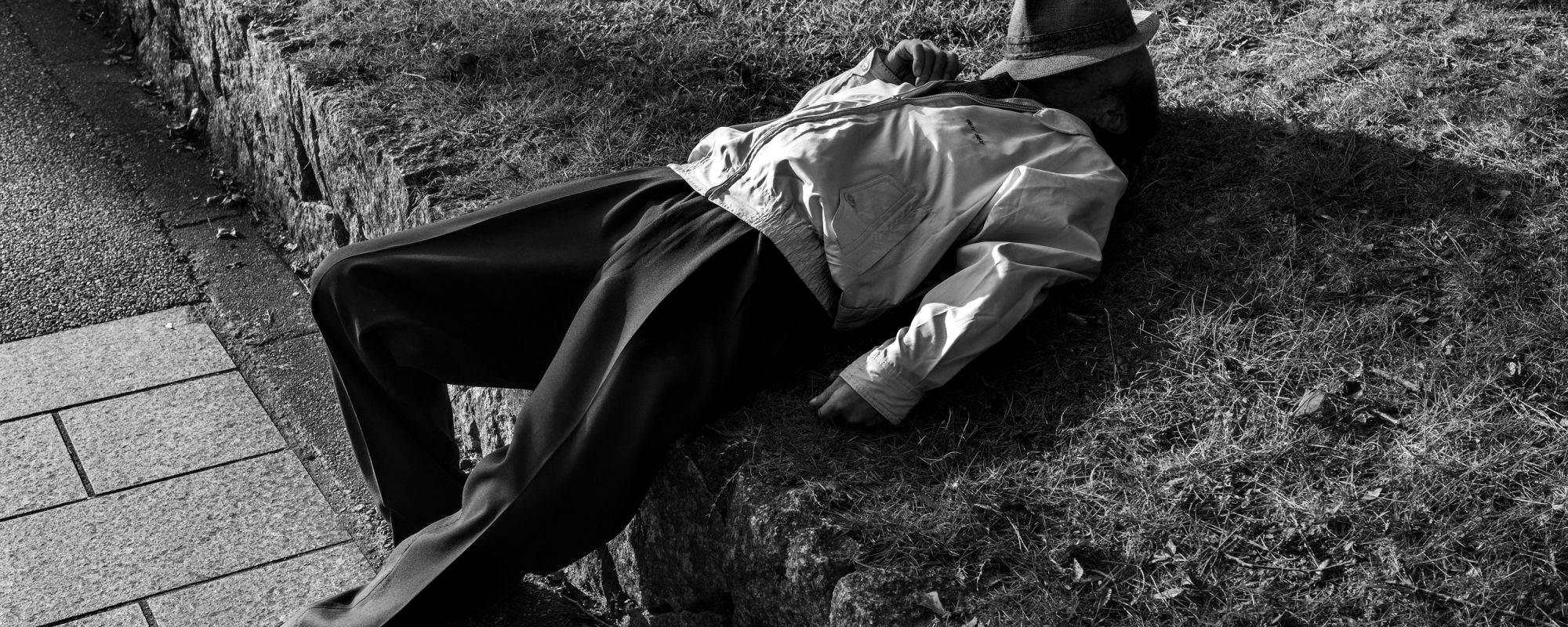
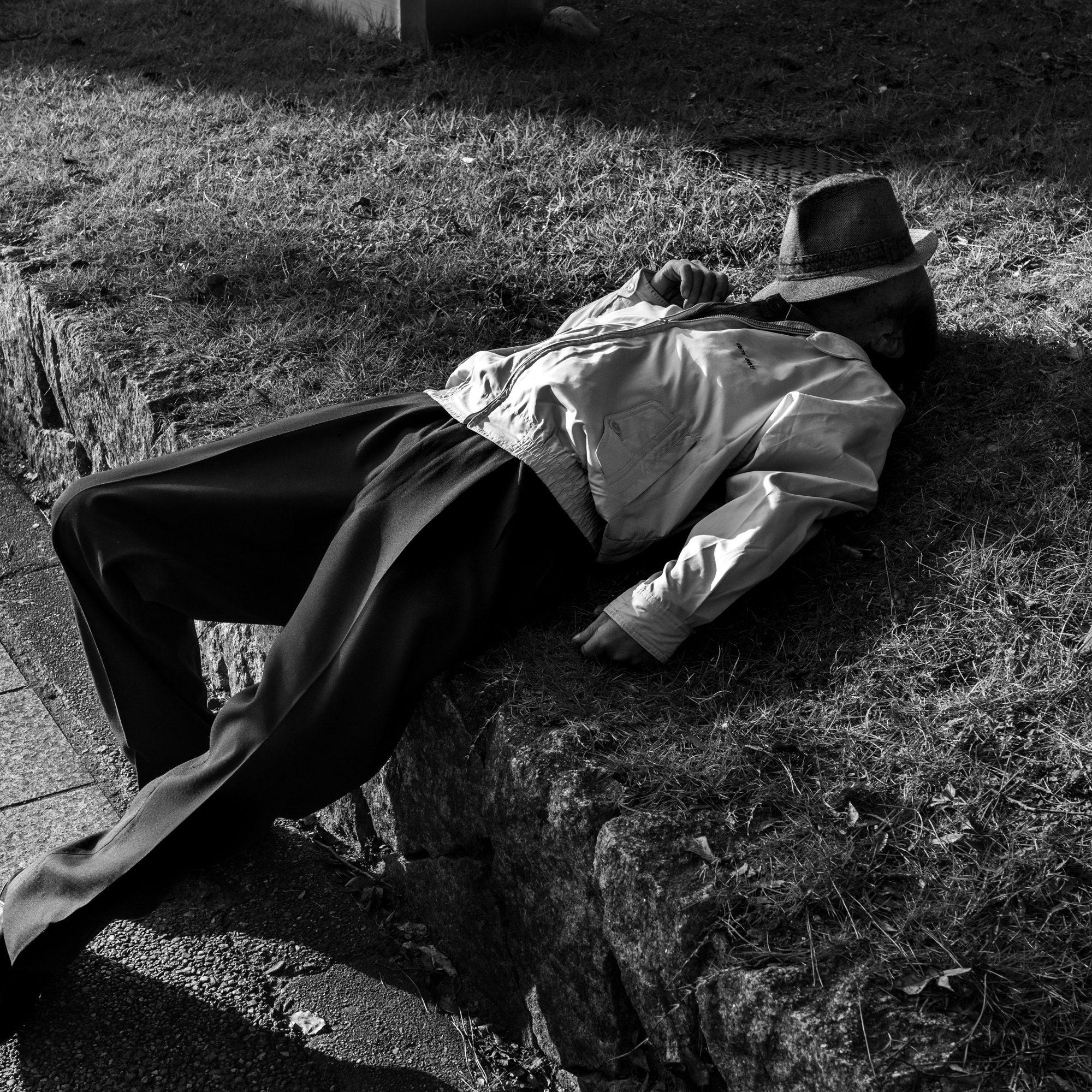
Japan is a country that pulls many artists into its clutches like a cultural tractor beam. For reasons unknown, Japan has dominated the imaginations of travellers, writers, artists, and historians to a degree that borders, for many, on obsession. I have never been to Japan, but I can admit being caught in the clutches of its reach. My son, 8 years old, also finds Japanese things, books, and packaging fascinating. His current interest is Naruto, mine is the legacy of Nakahira Taku, and I am thankful for the bond it creates somewhere in the middle. To my knowledge, my son has also not visited the island nation. What brings so many people to be fascinated by the country exceeds my understanding. It is historic. It’s pull almost is preternatural.
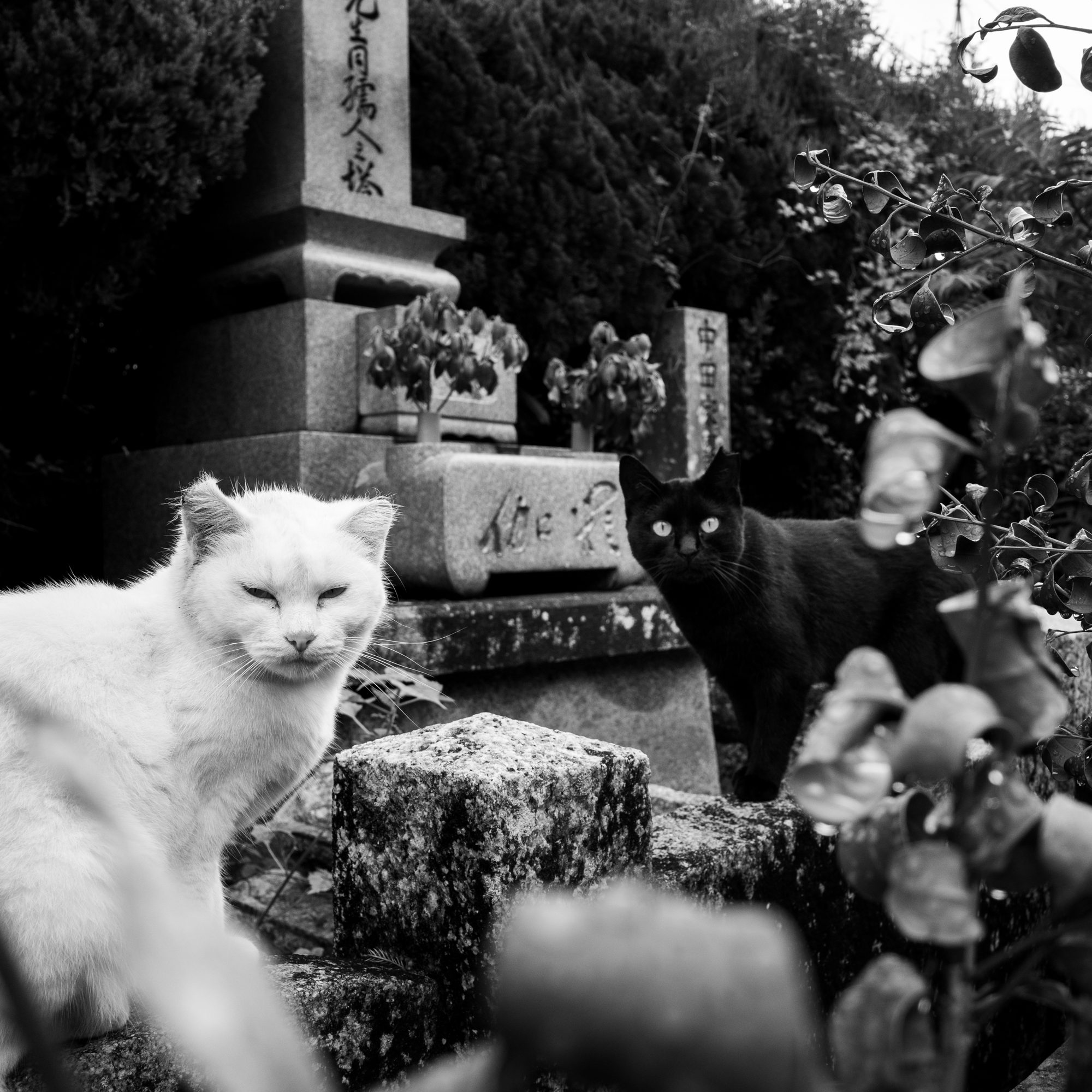
Wenceslau de Moraes was one of many 19th-century intrepid adventurers inspired by the land of the rising sun. Though his preliminary investigations of the Far East concerned his position in the Portuguese Navy and subsequent time spent in Macau, Japan caught his attention. While stationed in Macau, he began visiting Japan every year. He began writing in symbolist verse and eventually converted to Buddhism. He also took a wife, Fukumoto Yone, whom he deeply adored and whose tragic death would form de Moraes’s trajectory, relinquishing his position with the navy and moving to his deceased wife’s hometown of Tokushima, to be close to her remains and her spirit. He eventually entered into what, from the outside, appears to be a complicated courtship with Yone’s niece Koharu, who also eventually passed away four years after his first wife. He spent the remainder of his 15 years of life close to these women and continued writing about Japan and his lost loves until he died in 1929.
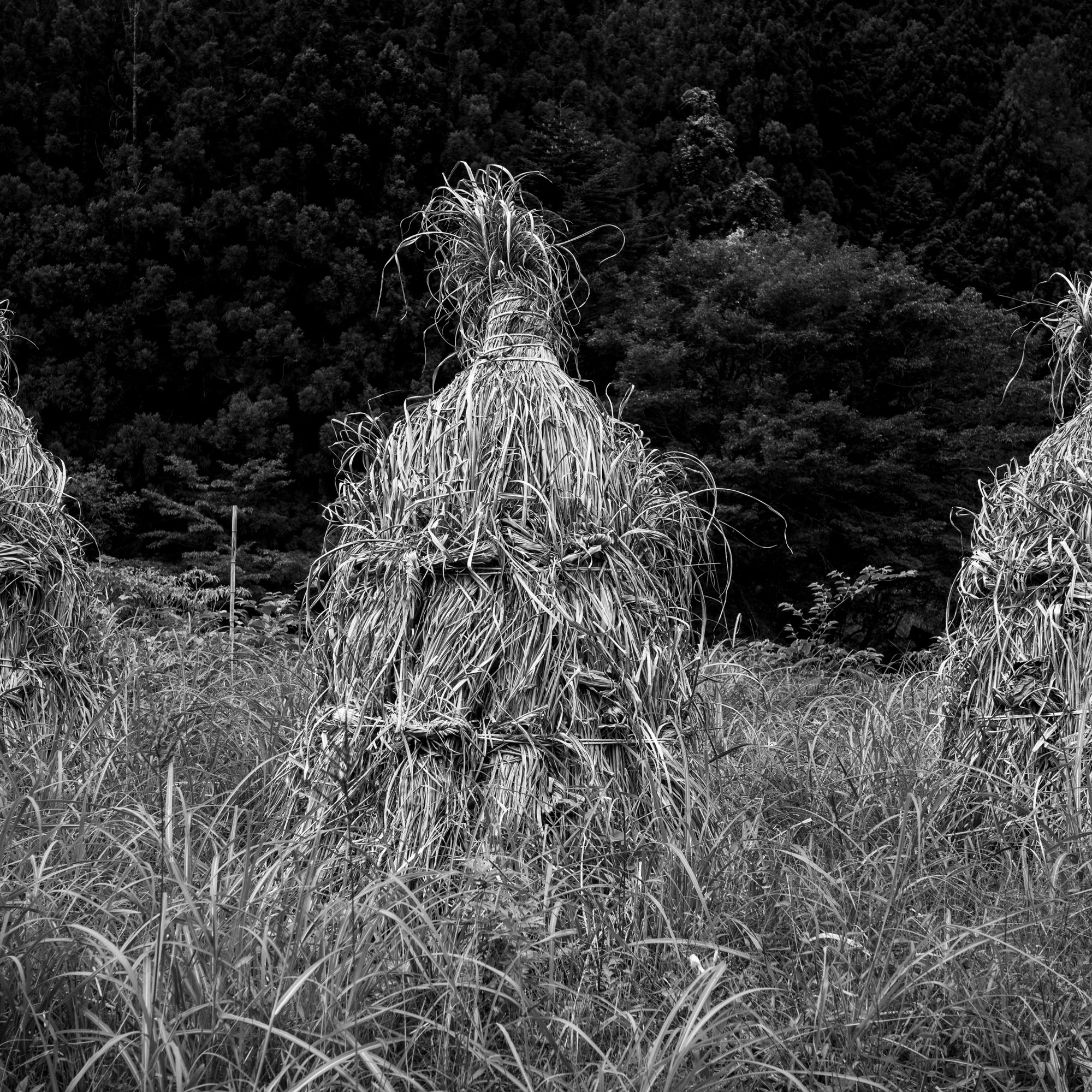
Of course, de Moraes’s story is romantic dissonance, love and decay, and historical mythology/legacy. It seems to fit within the context of Western and Eastern attitudes toward storytelling, no matter how real the storyteller’s biography. It is romantic, melancholic, and exudes a lyrical presence fit for the ages. Unsurprisingly, de Moraes’ story has attracted scholars and enthusiasts alike to write about the de Moraes moment in Japan. Enter into frame José Bértolo, a young Portuguese scholar, photographer, and writer who has followed the de Moraes story with unbridled passion to Japan, locking in with the deceased author’s footsteps in Tokushima, allowing his journey a sense of flaneurism, though semi-planned. Bértolo has followed de Moraes, with his interests in the culture of Japan, landing in a fit of traversal, walking in the same footsteps in a way to find de Moraes and to present a posthumous kinship with the author. The result is a mix of photobook mediums, autobiography, travel writing, and biography.
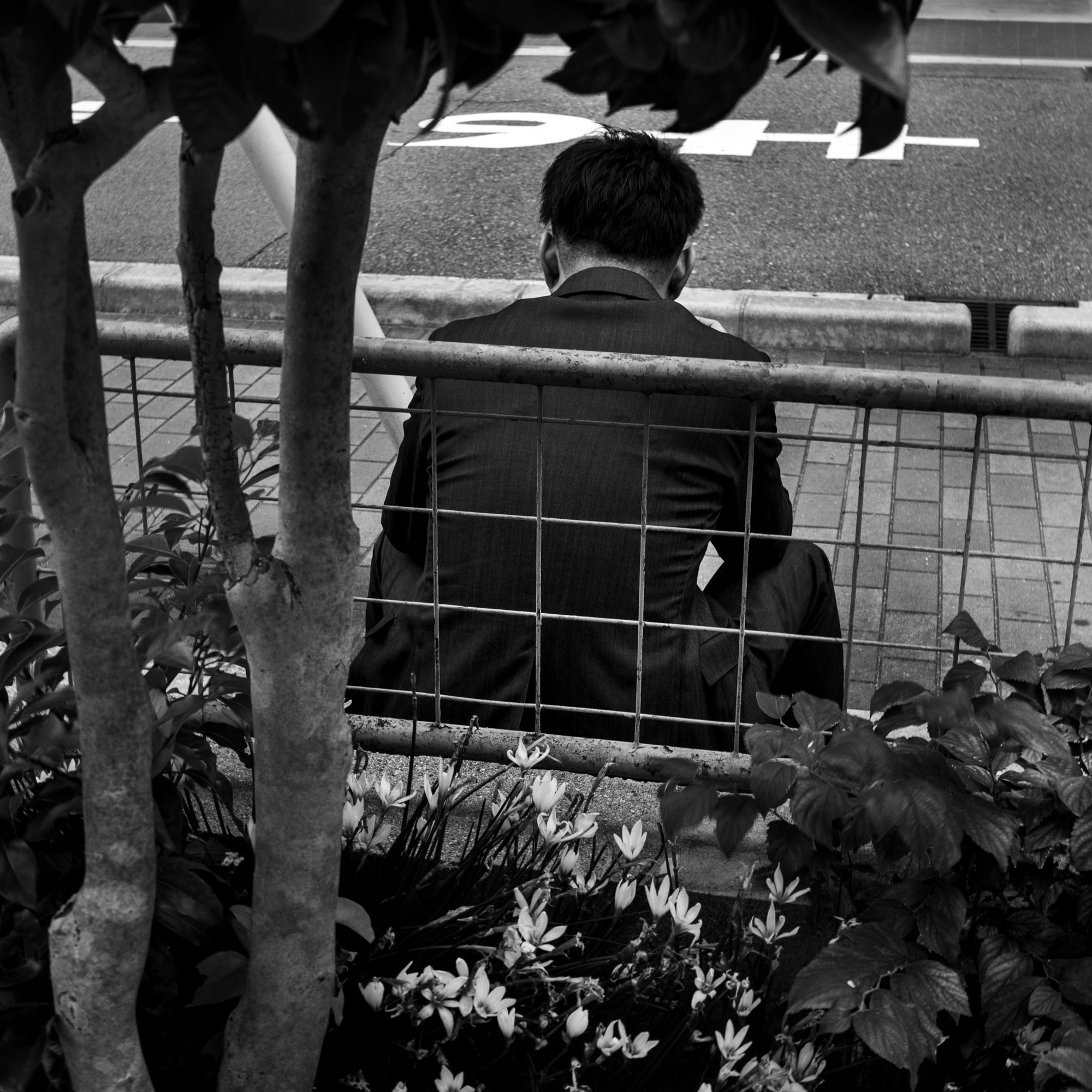
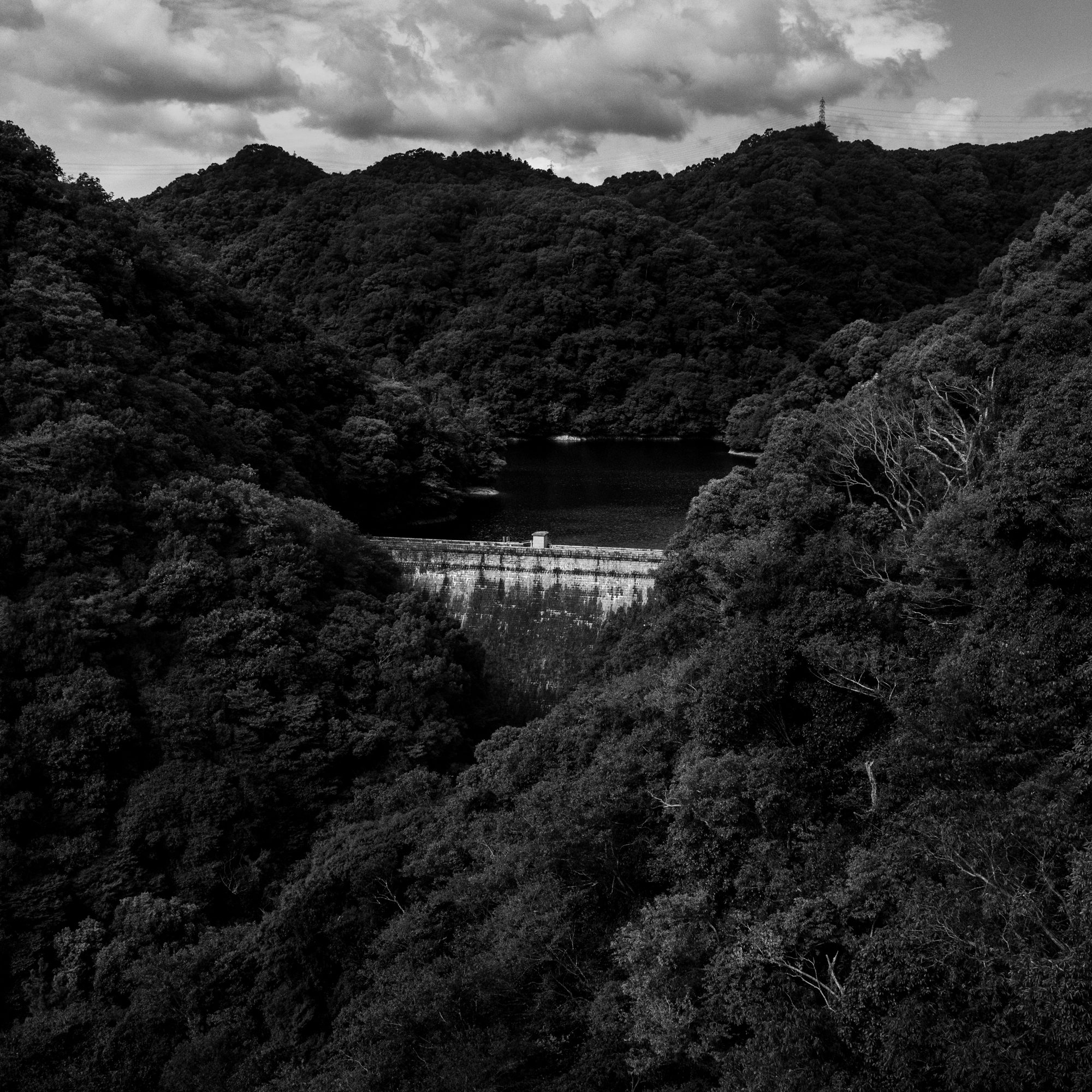
Throughout Moraesu St., I am reminded of where Bértolo and I managed to communicate, namely through our shared love of Japanese 20th-century photography. What strikes me as great about his book is that it imbues a sense of Japanese photographic aesthetics, namely, the dark, brooding imagery often associated with the Provoke Era and, more specifically, for me at least, the photographic work of Masahisa Fukase, amongst others. The book is cleverly divided into chapters and recounts the story of de Moraes through Bértolo’s journey with an elegant penmanship reminiscent of the photographer/author Hervé Guibert, particular his observations found in Ghost Witness in which he examines image-making, but mainly through the lens of his lived experience, waxing lyrical when necessary, but not relying on language, as a flowery cultish approach to literary traditions that often betray images for their weakness. I see this in many writers/photographers today where the images are often dressed up with the writing to cover for their scarred deformity or, conversely, their banal nature.
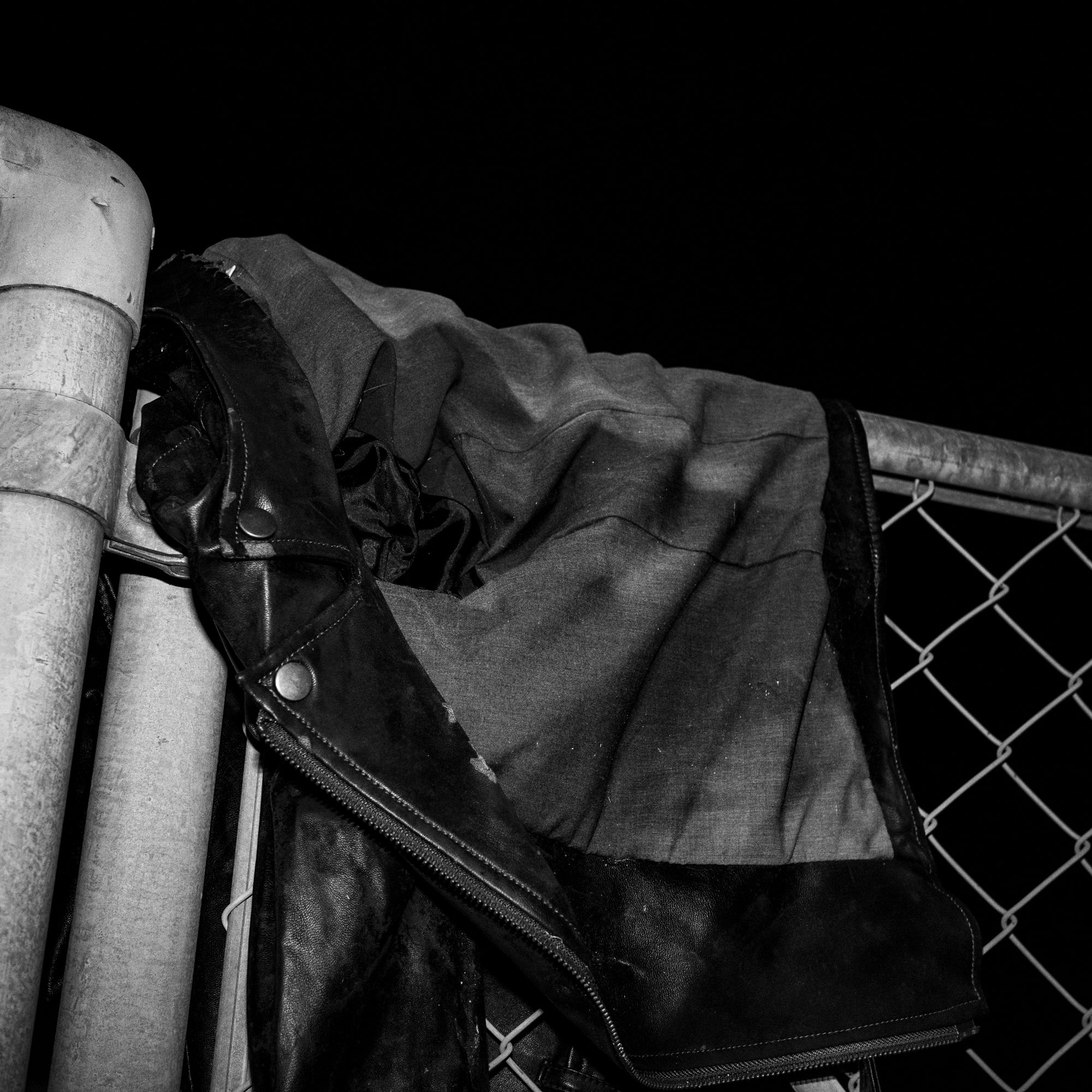
In Moraesu St., Bértolo has struck a balance in which both mediums are celebrated equally. We are not left with the oh-aren’t-you-çlever, but your-photos-are-shit problem, which is deeply appreciated. A feeling of self-security blots out the potential for arrogance in the written form. As a photobook/text exercise, I think it is hugely successful and does not feel like cultural appropriation, but rather a synchronic type of aesthetics between Bértolo, de Moraes, and a litany of amazing Japanese photographers through the prism of a historical kind of photo-novella. Well done!
José Bértolo
Moraesu St.
Sistema Solar