
There are still true eccentrics with exceptional ability out in this world, navigating the trenches of culture, unashamed to live life as art, and art as life. These characters are often characterized by a performative lifestyle that echoes the bohemian notions of 20th-century living. I revel when I stumble across their work, find innumerable reasons to justify their fearless way of life, and try to attach it, even if only in lesser volume, to my own processing of the world. I often find these kindred souls in music. Prince, Coil, Moondog, Sun Ra, Miles, Fever Ray, among others. Though a majority have passed, they remain a tenacious presence into the 20th Century, when such exercises were more prominent.
I feel like we have lost so much of our potent ability to live art. There are no stories being created about a Downtown scene somewhere or a new movement in East London. I’m pretty sure because it’s become economically difficult to navigate such places where the energy of a big city is a conduit, no matter how hard the living, to ART AT ALL COSTS. It’s too expensive, which means art has become disparate, spread out, and is also sadly becoming the playground of the children of the children of Wall Street, denizens of the economic world now pilfering art, and producing, from the perch of class superiority, the art we are asked to consume. The outdated institutions, the expense of seeking humility through humanity programs, have been shelved for two-thirds of the class system. It is incumbent on those two-thirds to avoid sedation, to give freely and command the sharing of the cultural space, to divest our attention from the position of capitalist gangbang.

Pippa Garner was an artist of the caliber that I propose in the above lament. Her work transcends easy categorization and is spread over various media, from photography to performance, to drawing, and has one big toe in the world of advertising, which has benefited her thinking about images, their flexibility, and their insidious nature. Her work traversed these media, with the slick language of advertising embedded in its aesthetics. Car culture, masculinity, femininity, and American economic desires all factored into the work, which invites double meanings and metaphors and is delivered with a sense of earnestness but is not above absurdity and humor.

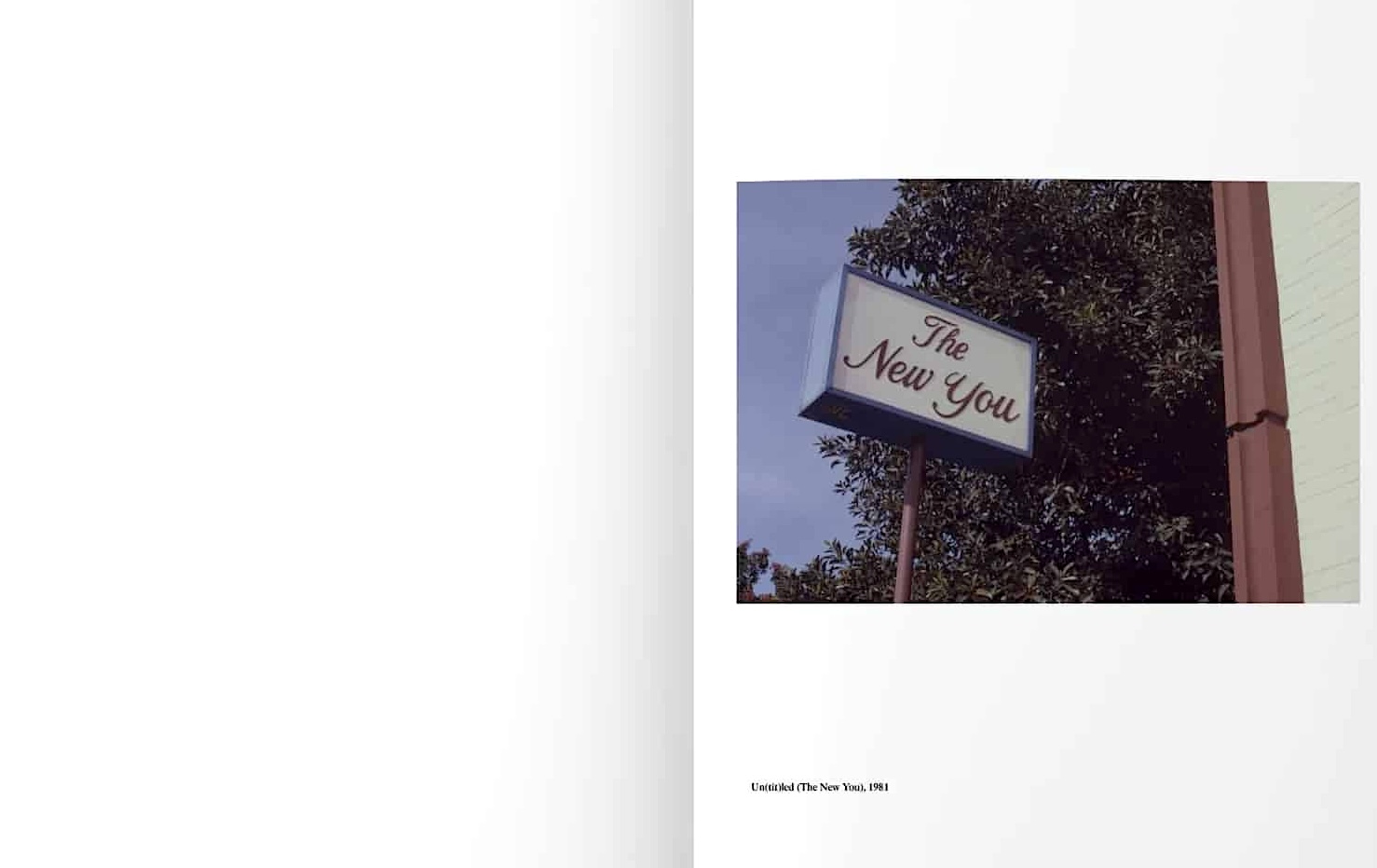
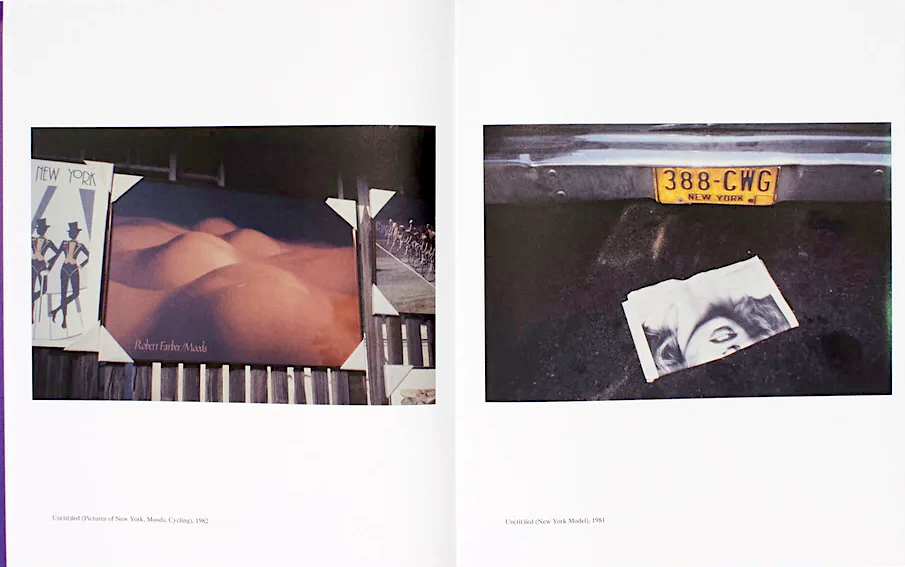
With Art Paper Editions’ recent catalog of Garner’s books, there is a chance to look into Garner’s work that I applaud for keeping the books relatively simple in design, relatively cheap to order, and conveying the energy and pizzazz of the work itself. This volume, Personal Ads, showcases the artists photographic works and plays with her interest in consumer culture, cars, and her collaborations with Nancy Reese. There is a humor within the photographs that is playful and stops just short of cynicism, which is why I think Garner’s work feels signifcant at large. She plays into the tropes, dissembles them, but does not dwell in an obtuse agony of hopelessness. Part observation, part performance, the works encapsulate all that is great in Garner’s ouevre. It is well worth the purchase.