 I was never accustomed to the tall tales of muchroom pickling that pervade Europe. Mildly aware of the phenomenon back in Wisconsin around the spring movements of the morel mushroom picking season, born to a family of hunters, I did not grasp the essential nature of mushrooms and fungi until quite late in my lifetime. More recently, after reading Merlin Sheldrake’s Entangled Life and Robert Macfarlane’s Underworld, I discovered the vital role fungi play in our time. I think some of this stems (pun intended) from a new eco-consciousness that feels very much in line with the anxiety many of us are feeling/sensing about the plight of the natural world, of the loss of biodiversity, and the exceptional intolerance of anthropocentrism that continually succeeds to place the thumbable types at the top of the food change with a grea t detriment to all living lives. When not consumed with consumption, petrochemical-induced bravado, or the skimming of the surface of the planet, all that is great for a less-than-diverse selection of reasons, mankind continues to paint a loveless picture of the natural world while simultaneously devouring all that it has to offer.
The idea of domination of the natural world has set in motion a chain of events that will inevitably swallow the human race whole, along with its terrible habits and self-appointed afflictions. We regard the world not as our collective oyster, but instead our limited piggy bank in which we may not even be enjoying the life that it has provided us. I think of all of those people locked in their wheeled metal coffins on a way to a job they hate, clogging up the atmosphere with their single-drive, single-use automobiles, and question what part of this makes sense. That tax on everything provides very few rewards outside some asshole getting a new yacht as he facilitates record profits by laying off most of his workforce with the coming of AI, who in turn, will generate very little vital meaning to the planet or our place within its ether.
I suspect all of this has led to artists re-examining their practice and the world around them to find sustenance, but also something in line with the pleasures of living, those coded series of observations that embrace the traditional in a time when war-rot, economic-rot, and the filthy entangled weave of capitalism give less and less in return. Gardening, hiking, and understanding the world as it relates to the sublime and the natural embodiment of an Edenic pulse seem well-ordered and nourishing. Photography and its adjacent forms are born from light and alchemy. It is not determined that artists who embrace the medium should be interested in the ecological world. There have been several projects that I am reminded of in living memory in which artists from Jason Fulford, John Cage, Heide Specker, Ying Ang, to Ron Jude, and many more, have focused their energy toward a deeper meaning of our planet and the sense of wonder that it still holds despite mankind’s attempt to choke it off at every conceivable pass. There has been a resurgence of interest in mycological matters in art. You see it in film as well, with horror being a genre to discuss the possibility of mutations, particularly in the series The Last of Us, with cordyceps being discussed as an apocalyptic organism to condition the fall of humanity, and where matters less abject are also discussed, there is clearly an interest in the matter.
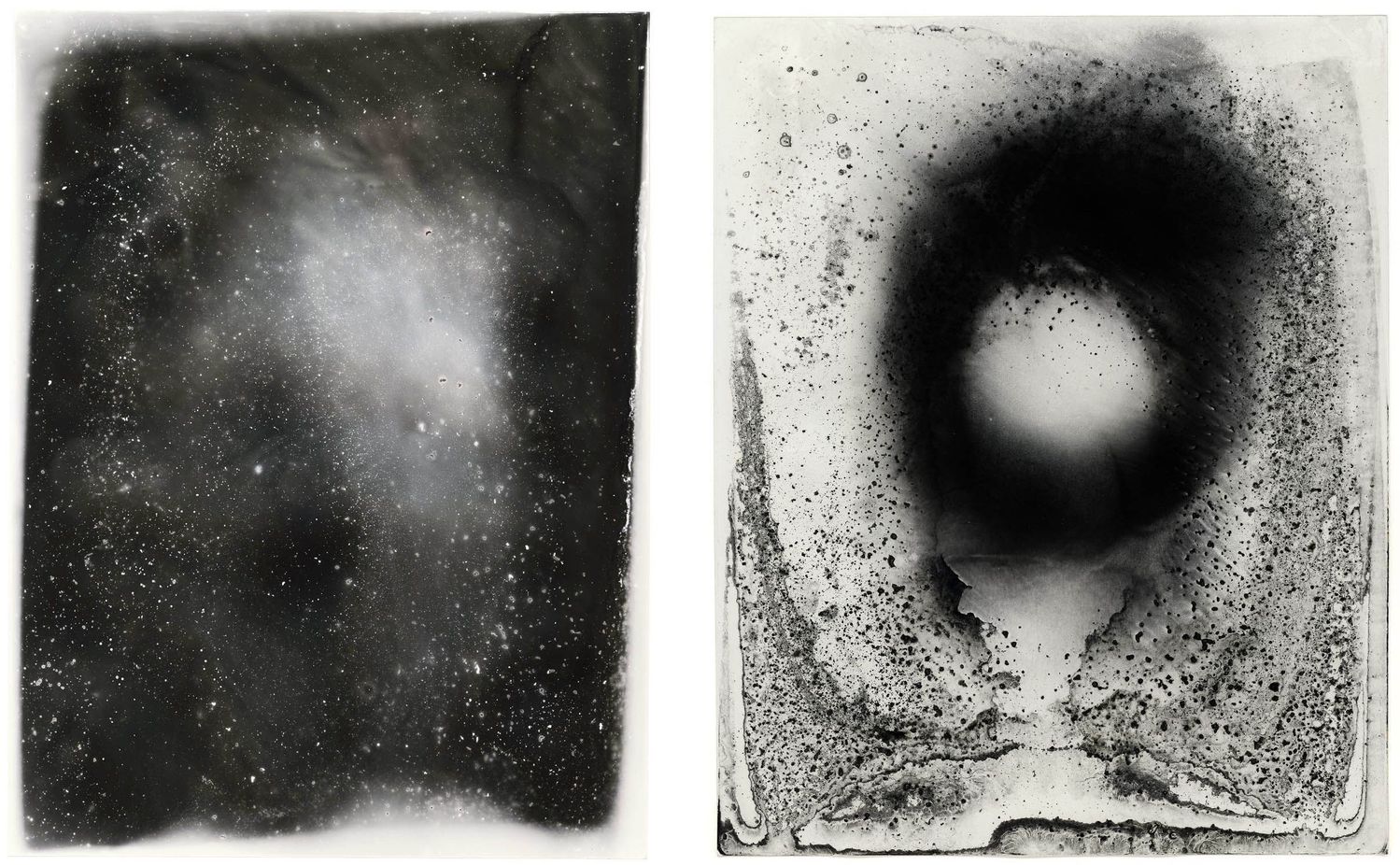
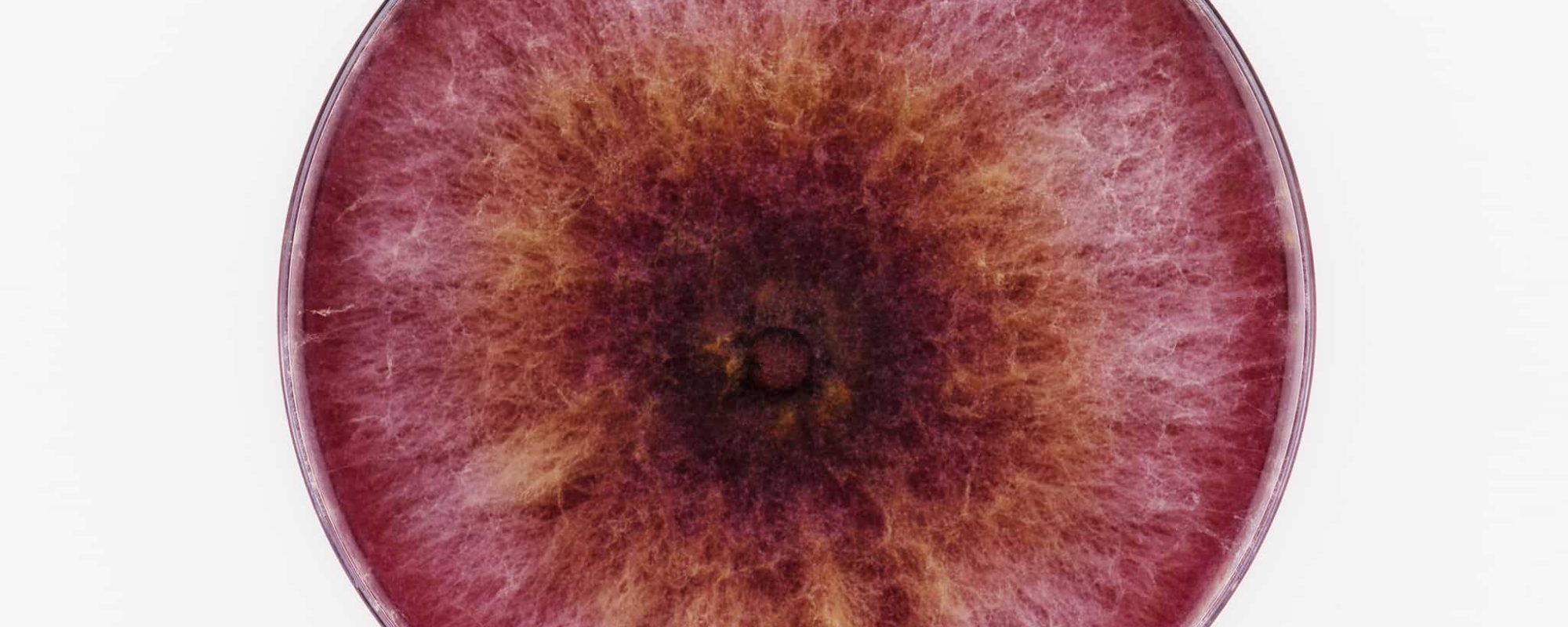
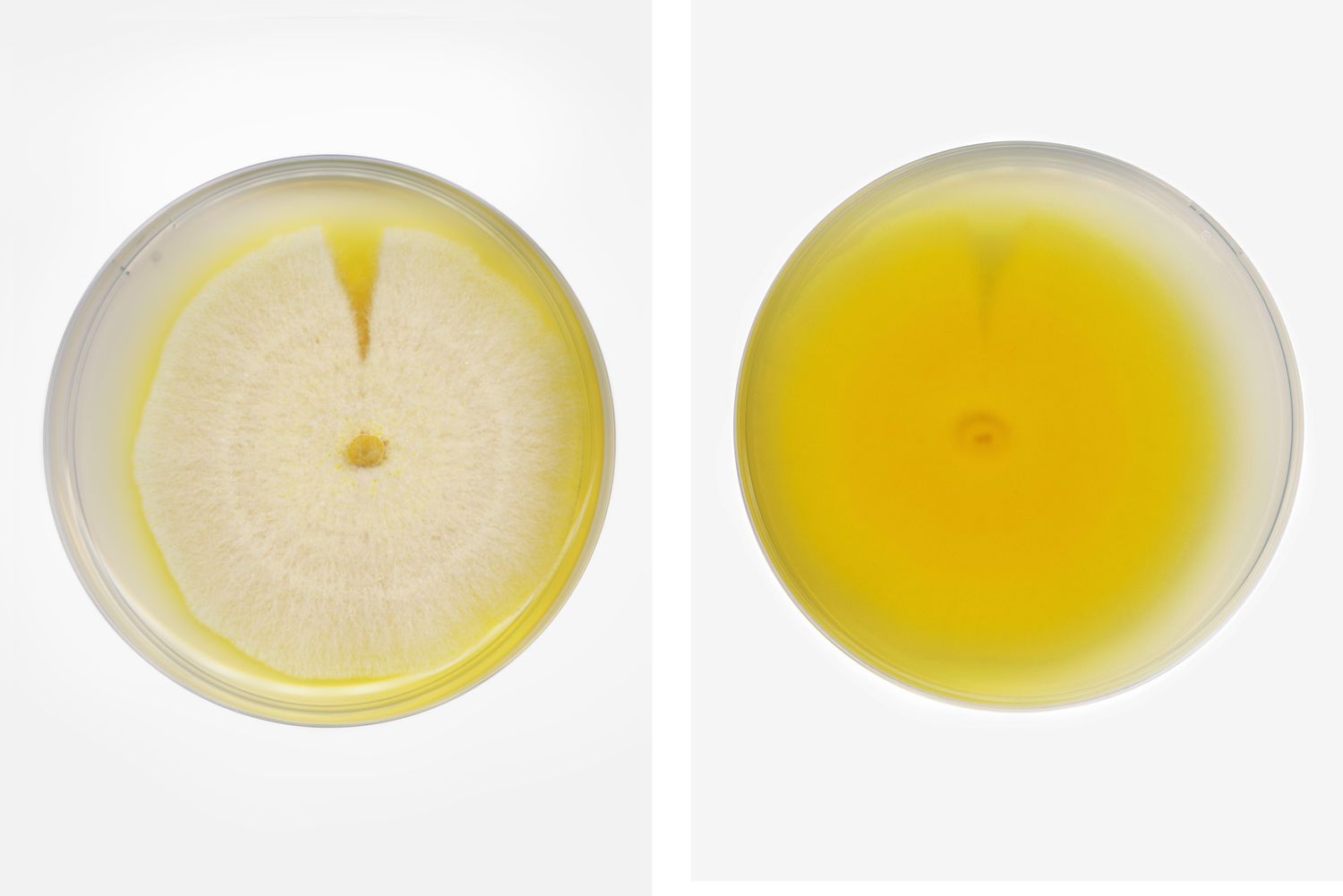
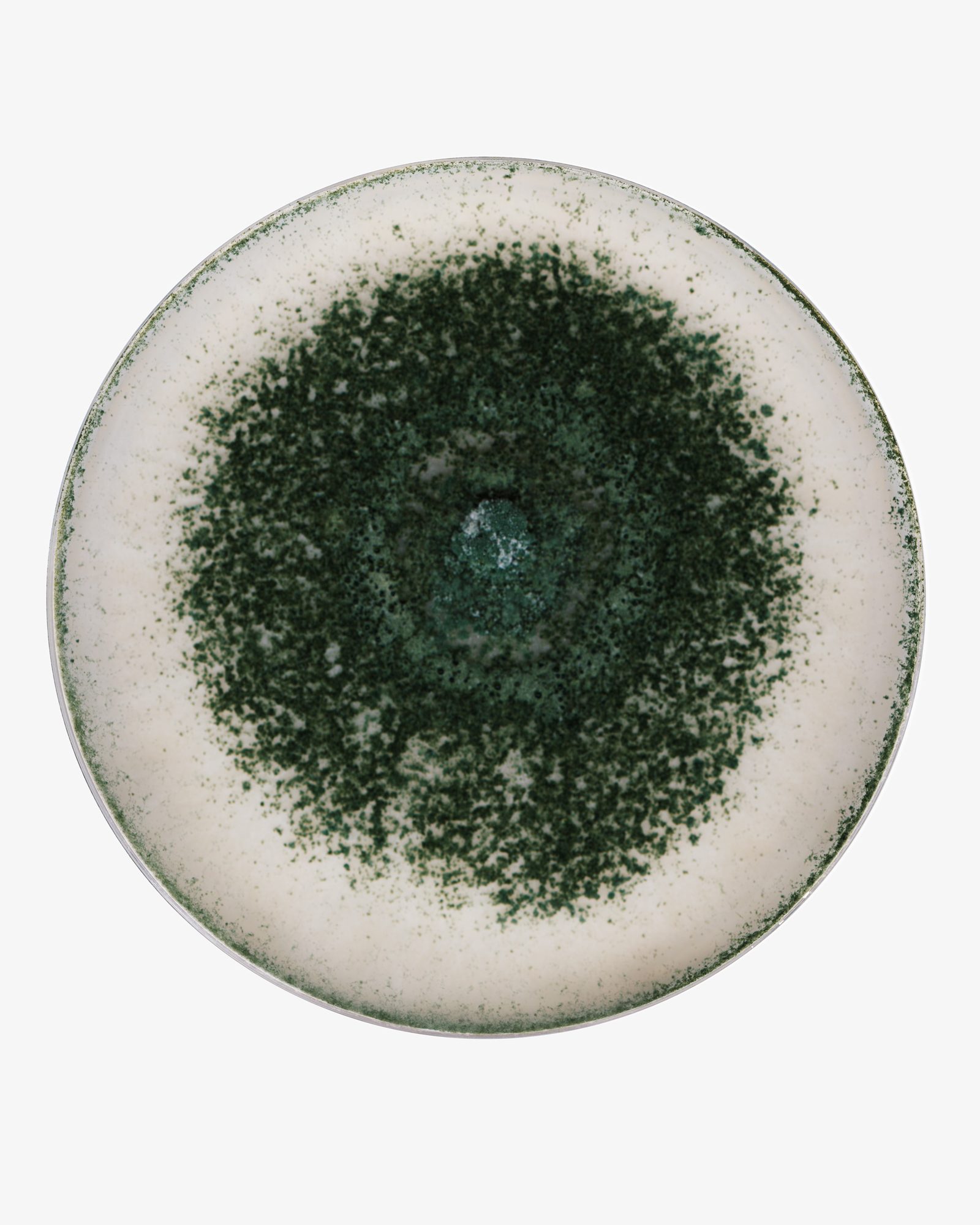
With Nicolai Howalt’s recent book Fungi, published by Fabrik Books, the topic of mycelium and fungi is one of creative pleasure. The artist recounts his earliest memories in the forest with his mother and the imperceptibility of the mushrooms they were searching for, understanding, many years later, with his own children, how to make visible the secret and clandestine world of fungi in the forest, and how to understand how essential its nature is to the natural world as one of the earth’s largest living organisms, the cast carpet of its spread kilometers wide in places like the Pacific Northwest. The book is an imagining of fungi and how they may be harnessed to the visible world through art, either by observation, as his petri dish images show, or by using their growth on negative, repurposed in the darkroom to show their form in photographic print. Any artist who has ever let some silver gelatin prints sit too long in the rinse knows that microbial growth begins to show quickly and can create an interesting organic patina on the darkroom substrate image. What Howalt provides is a laboratory in which he collaborates with fungi to create sublime images that explore abstraction and invite us to understand the minute worlds underfoot. Without these fungi friends, everything from penicillin to foodstuff will come to pass.
Howalt is no stranger to the natural world. In fact, I believe it could be one of his constant muses. Old Tjikko, one of his most well-received books, documents a 10,000-year-old tree. His series Fasciation also explores various discussions surrounding the worlds of Flora and photography. The artist often employs the material value of analog photography in his work and, in many projects, synthesizes it with his subject matter to create sculptural or alchemical works that transcend the medium, but also bring the conversation to the subject matter in a haptic and energizing way, allowing for the materiality of the subject to be more widely understood through the artist’s subjectivity. It is no different with the new book. In parts it feels clinical, in parts celestial, but all efforts maintain an element of intense looking and perhaps longing for a deeper discussion with the natural world around us. As an object, the book has a vague guidebook feel, with its neutral brown tones shifting us towards an earthly palette and inviting the viewer to re-appraise their engagement with fungi and its potential to be seen.
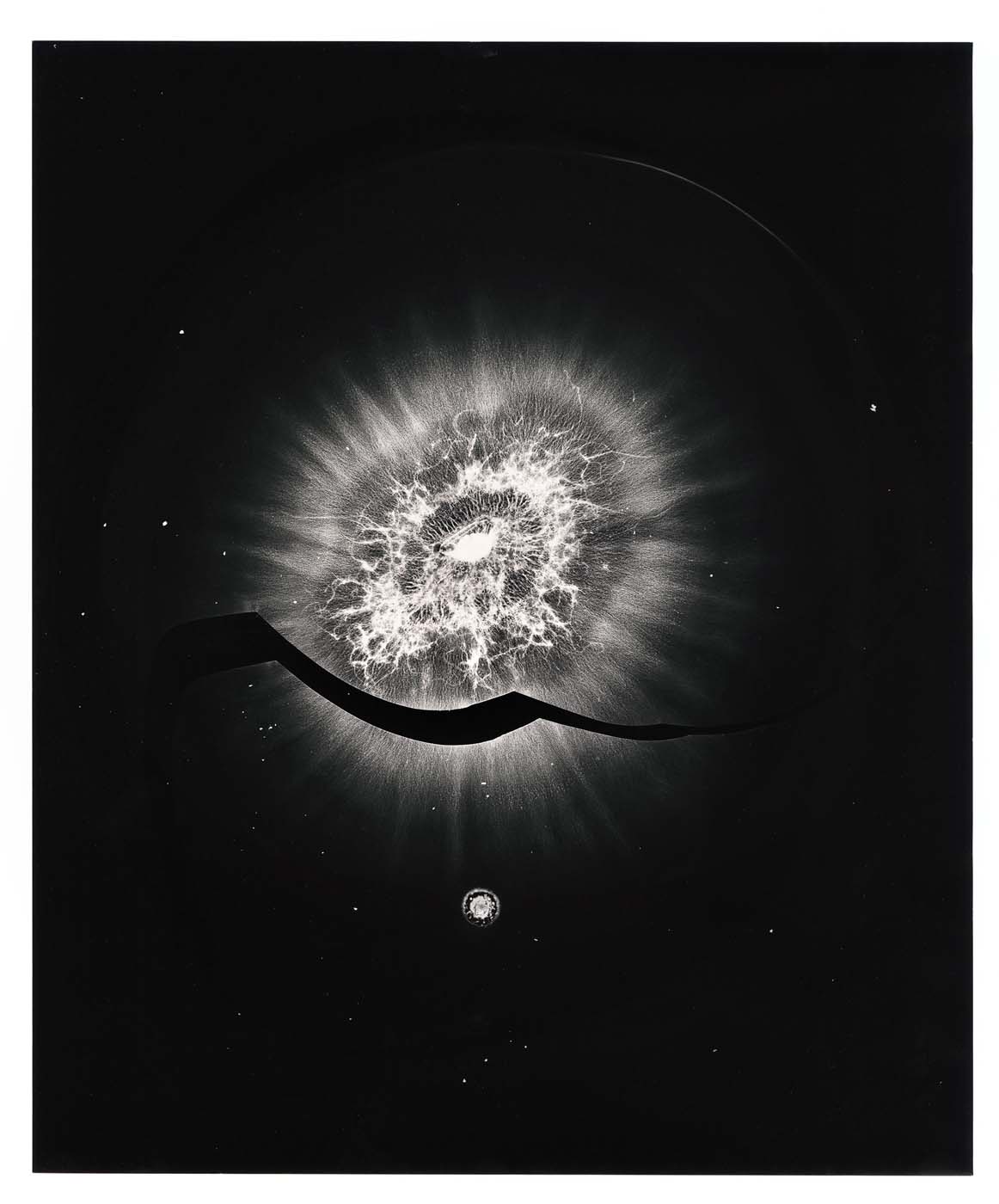 Fungi is a sincere book and a nod towards the natural world, and the emphasis remains on observing the underobservable. As above, so below. It is a conscious discussion about life in its base form, underappreciated and undervalued in a toxic world sliding further from its tether to material realities for the sake of greed and egoism, forms that will surely destroy its habitable forms. Whereas fungi may exist long after they are gone, it is good to see artists function in a custodial manner toward the primacy of it and our existence.
Nicolai Howalt
Fungi
Fabrik books