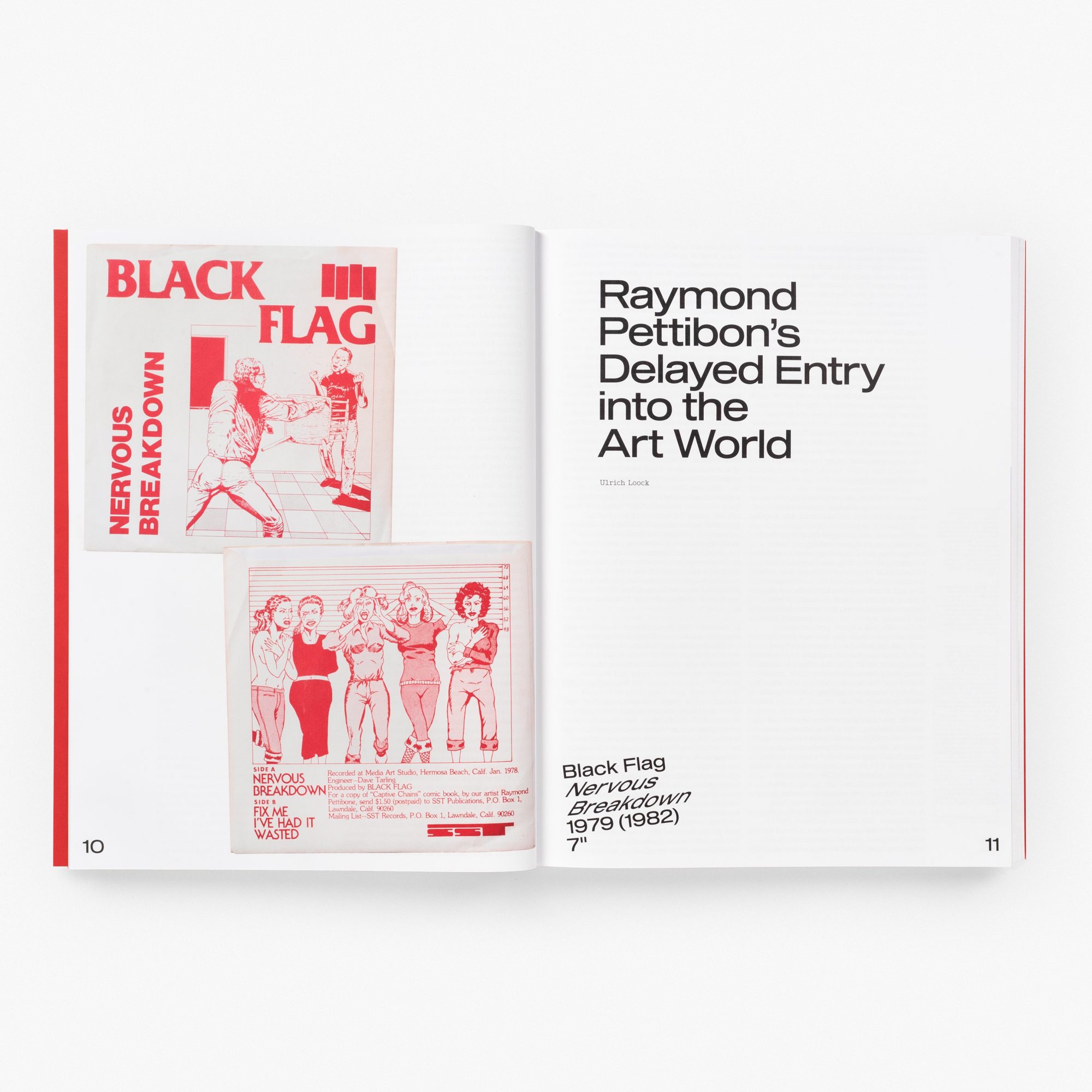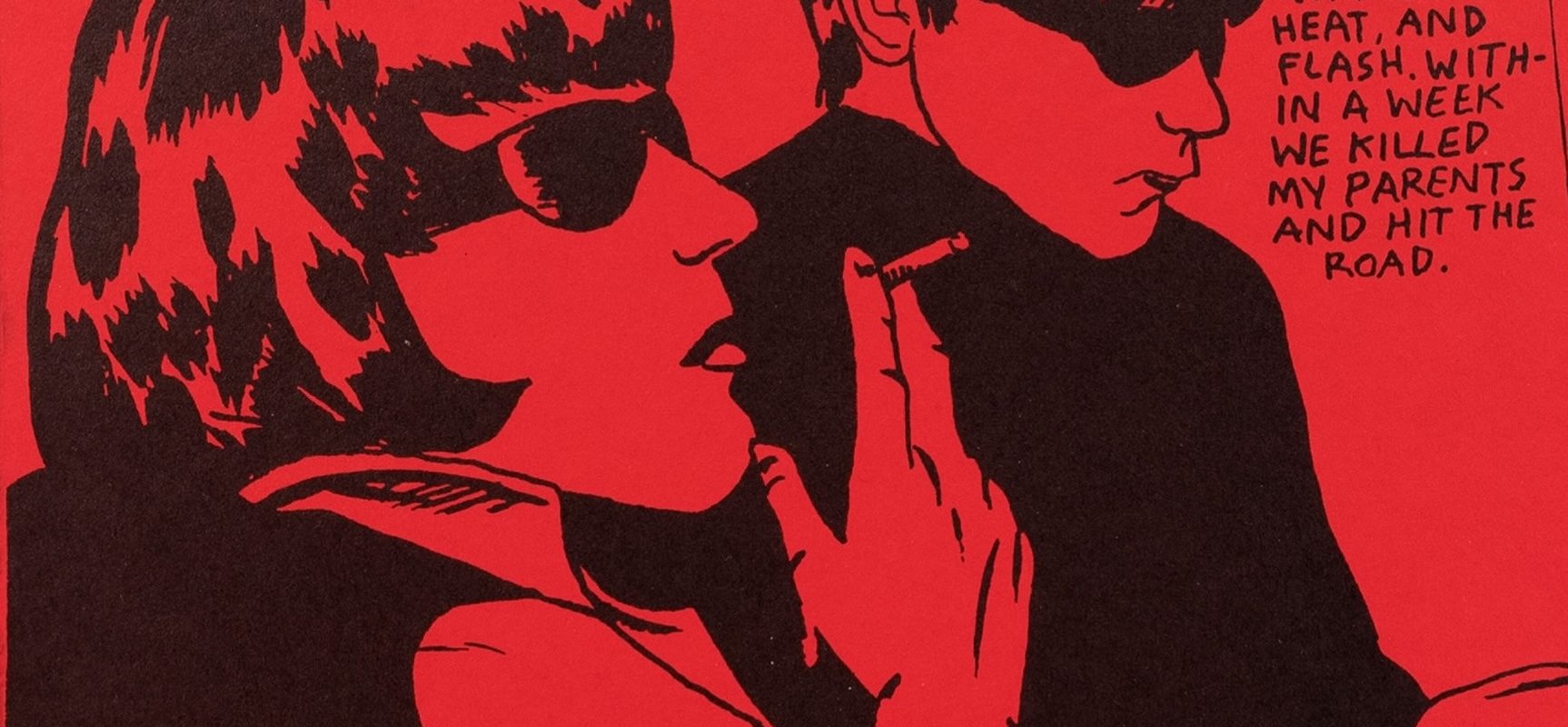
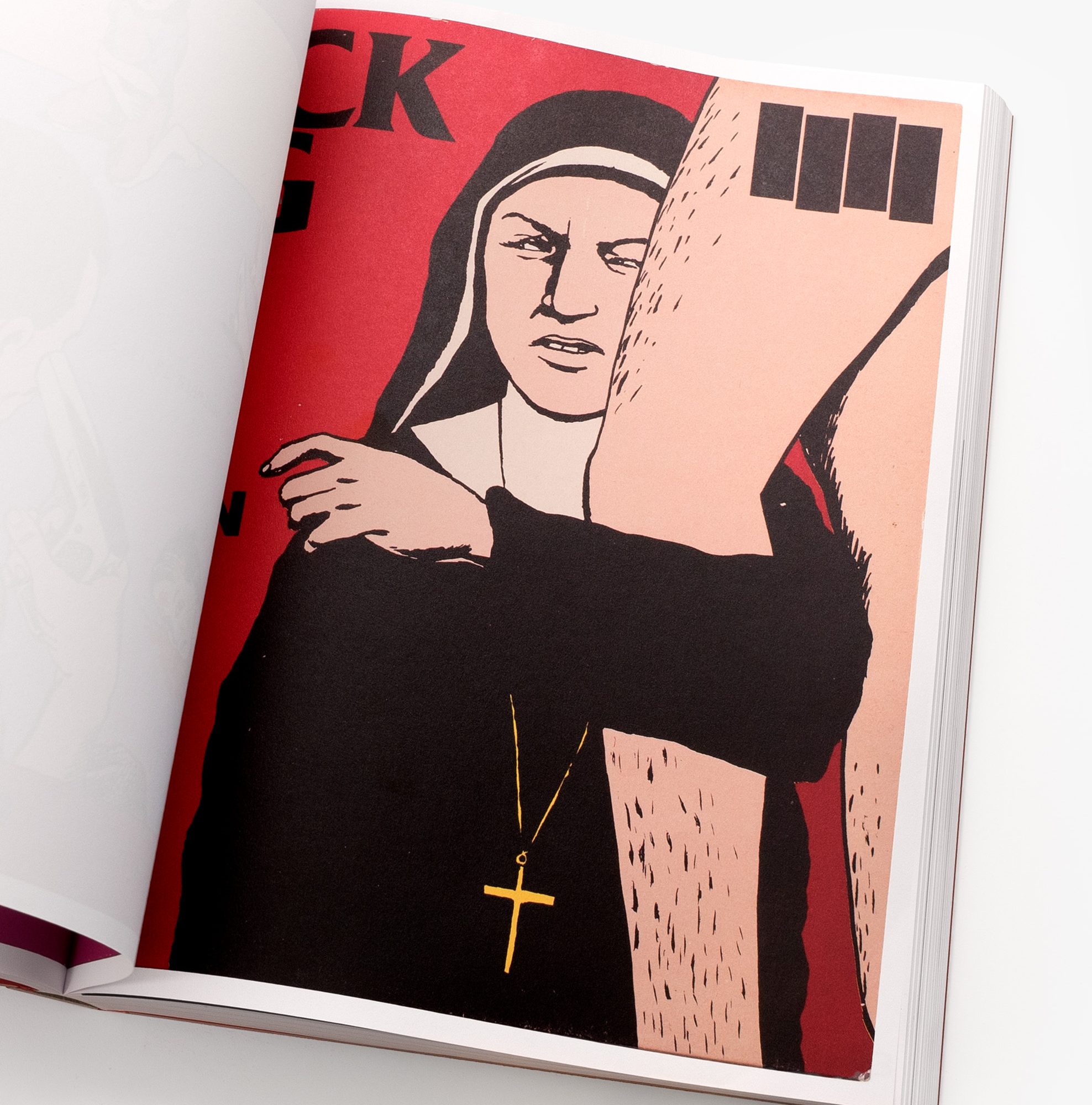
If you grew up in a certain period, some of your first experiences with counterculture were inspired by the genius cover artwork of albums by various punk bands, notably Black Flag, by what appeared to be a deranged cartoon columnist. I vividly remember ducking in and out of head/record shops in the Midwest growing up in the late 80s and 90s, being confronted with a nun holding a hairy leg with the title “Slip In In,” and later spotting the now-iconic Sonic Youth Goo album cover in the racks, both appearing to have been illustrated by the same lunatic. When I mention the notion of counterculture, it comes with alot of baggage and timeline understanding.
The counterculture of Raymond Pettibon, like his erstwhile compatriots Frank Kozik (RIP), Derek Hess, Coop, and now very distant Nick Bougas, played a role in the 90s understanding of the failures of original 1968 counterculture and what happened during the intervening years. These artists destabilized the original premise of the counterculture movements of the 60s by emphasizing Charles Manson, John Wayne Gacy, Jim Jones, and every bit of the toxic holocaust that the American dream culture would end up inspiring through the rise of consumer culture and neoliberal consciousness. They took the tools of former generations of counterculture and applied them to serial killers, sleaze, and an effective type of apathy to broadcast the doubt of America and its ideological messaging.
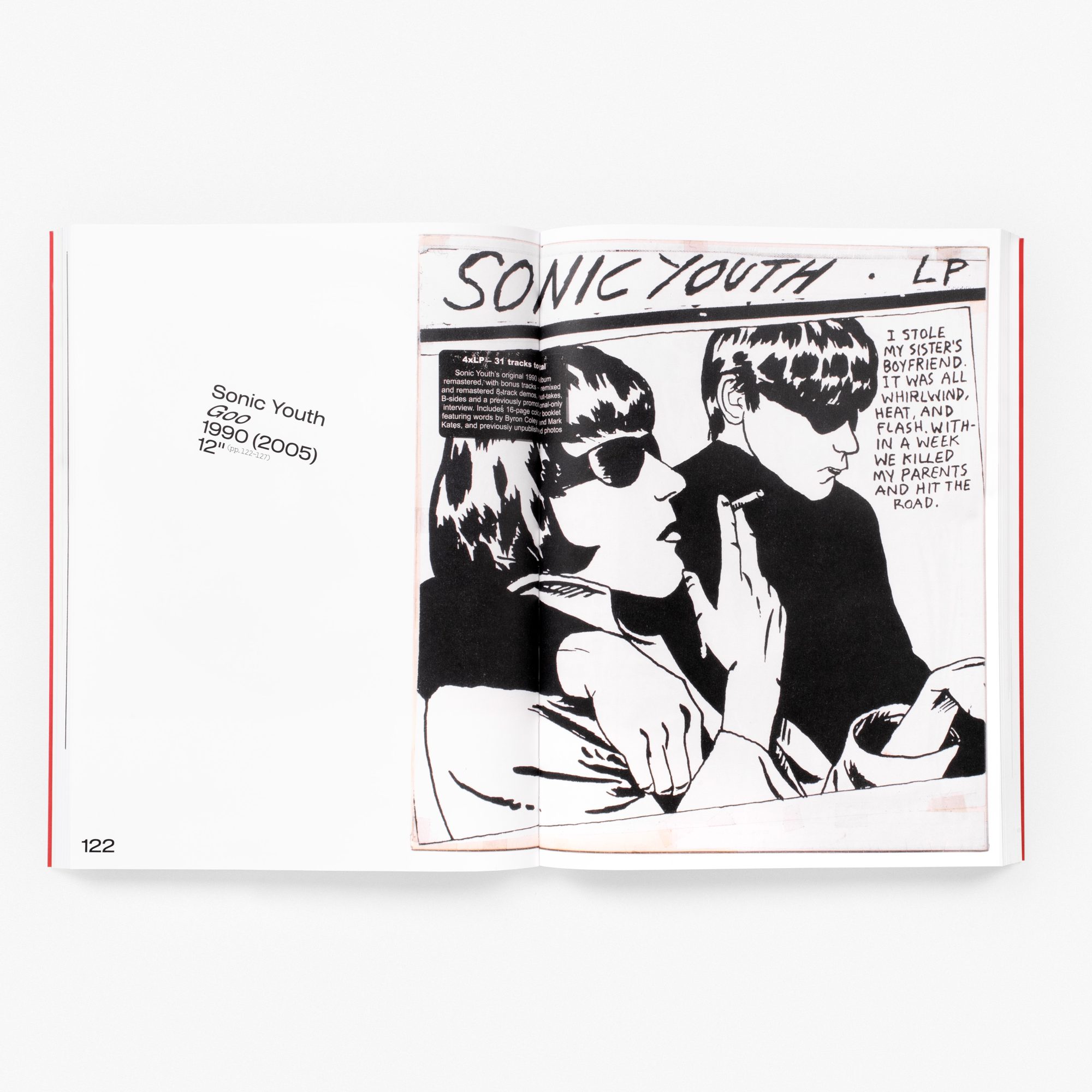
The late 80s and 90s were, in my opinion, the last frontier against conformity and sheep-shearing shit grift. Everything was converging, centralizing, with crossovers in culture being predominant and opposition to politics as something of the norm, something we pretend we see today with the uniparty. What made the cultural production of this time different was the level of cynicism that nascent Gen Xers were able to spin within the web of the times. It was inherent in music from AMREP Records, Touch and Go, and SST Records, and spread through bands like Nirvana, The Jesus Lizard, and Cows, and in films by David Lynch, Greg Araki, Larry Clark, and Nick Zedd. Richard Kern, Sonic Youth, Big Black, Black Flag Flipper, and Swans paved the way for a type of anti-culture, anti-heritage viewpoint that discarded the traditional notion of counterculture for something more snide, more self-reflecting, acknowledging that hippies fucking sucked as much as the suits did. Bands like Sonic Youth spread the message, though in a slightly alternative delivery system, by becoming fashionable and undeniable. Their prescient use of artists from Richard Kern to Raymond Pettibon, Gerhard Richter, and Richard Prince now seems overly canny.
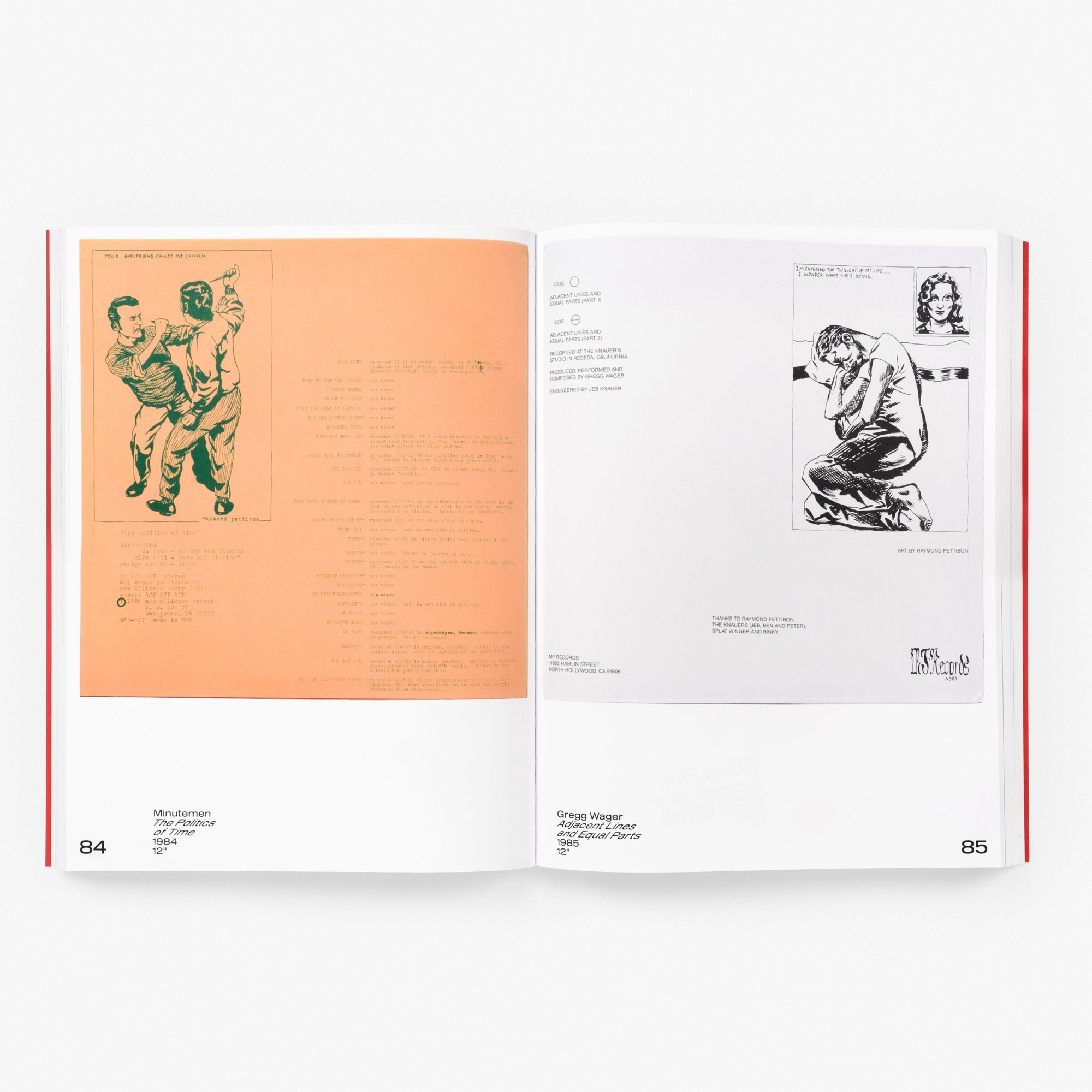
With my coming of age in small-town Wisconsin, with very little else to do except play in bands and steal CDs from Best Buy, I became firmly ensconced in underground music and Adam Parfrey books; it is no mistake that I gravitated toward album cover artwork and found my ability to decipher culture through the iconoclastic works that adorned them. Much of the sentiment and attitude I have carried with me well into my 40s. It has shaped a skepticism that my generation, hidden from sight between the war of the millennials and boomers, holds pretty dearly. That skepticism is what keeps us from entering the war, and it is not lost on me that invoking the idea of generations is, in principle, somehow oxymoronic or just moronic and pitiable. Guilty. Don’t blame me; I need to think in shorthand to process this dog-and-pony shitshow; at least it’s not emojis.
I might suggest that this moment caught a beautiful, somewhat prismatic, colorful light, in which all the confounding history of the country and the world was being compounded before never-ending war, and larceny became the plat d’jour. It was also a time when letters were written, concerts were affordable, and it had not yet been entirely bitten by the vacuous service of identity politics. Everything would be decay; who fucking cares where Doris hides the pearls anyways? Of course, that also speaks to the privilege of the times, of being able to say fuck it ad nauseum.
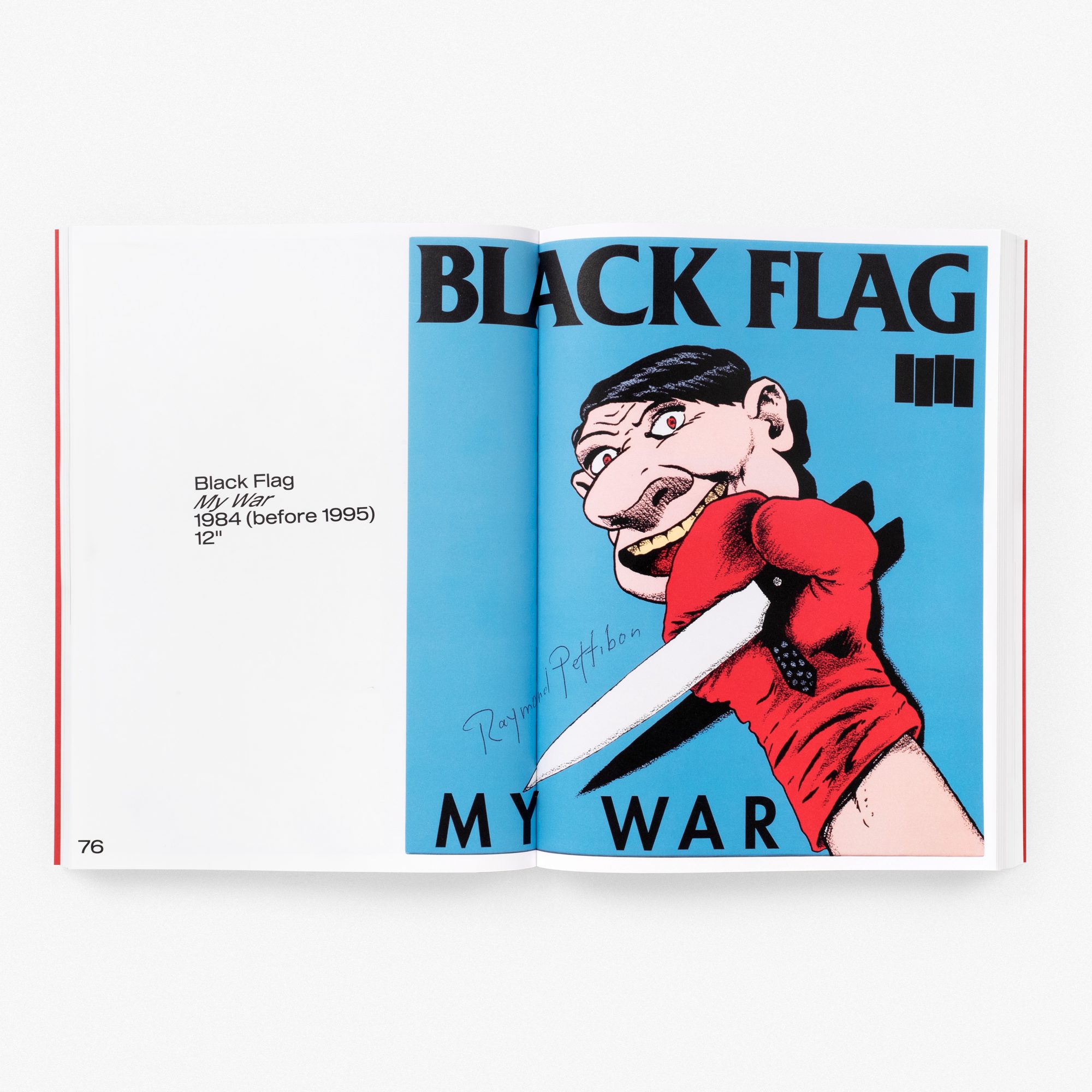
Back to the artwork of Raymond Pettibon. Once I connected the dots between the album covers and learned what his brother did, Pettibon became an interesting icon of artmaking for me. I would not have guessed that his work would lead to where it has. Not that I don’t think it deserves it; it is just somewhat surprising to see it heralded by blue-chip galleries and on a Foo Fighters cover (Yes, I listened to Scream and Inside Out and understand the connections). Anything good from the underground is doubtless to see this type of exposure if left in the sun long enough.
With this, however contradictory in my mind, I realize that Raymond’s effect on the culture is probably better-known than other artists from his generation, like Julian Schnabel or Richard Prince (huge fan), only to be eclipsed, if I were to guess, by the influence of Basquiat, however badly that appears to be going at present. His distribution system was youth-driven, not art-world booms and busts; thus, the kids who grew up with him understand his influence as tied to anti-establishment rhetoric, and his reach is more pervasive than that of the art-world heads mentioned for this reason. Seeing the art world establishment embrace the work feels in line with high fashion embracing Kim Gordon. It sits at cool, but has a slightly wobbly leg; might even be diabetic by now.
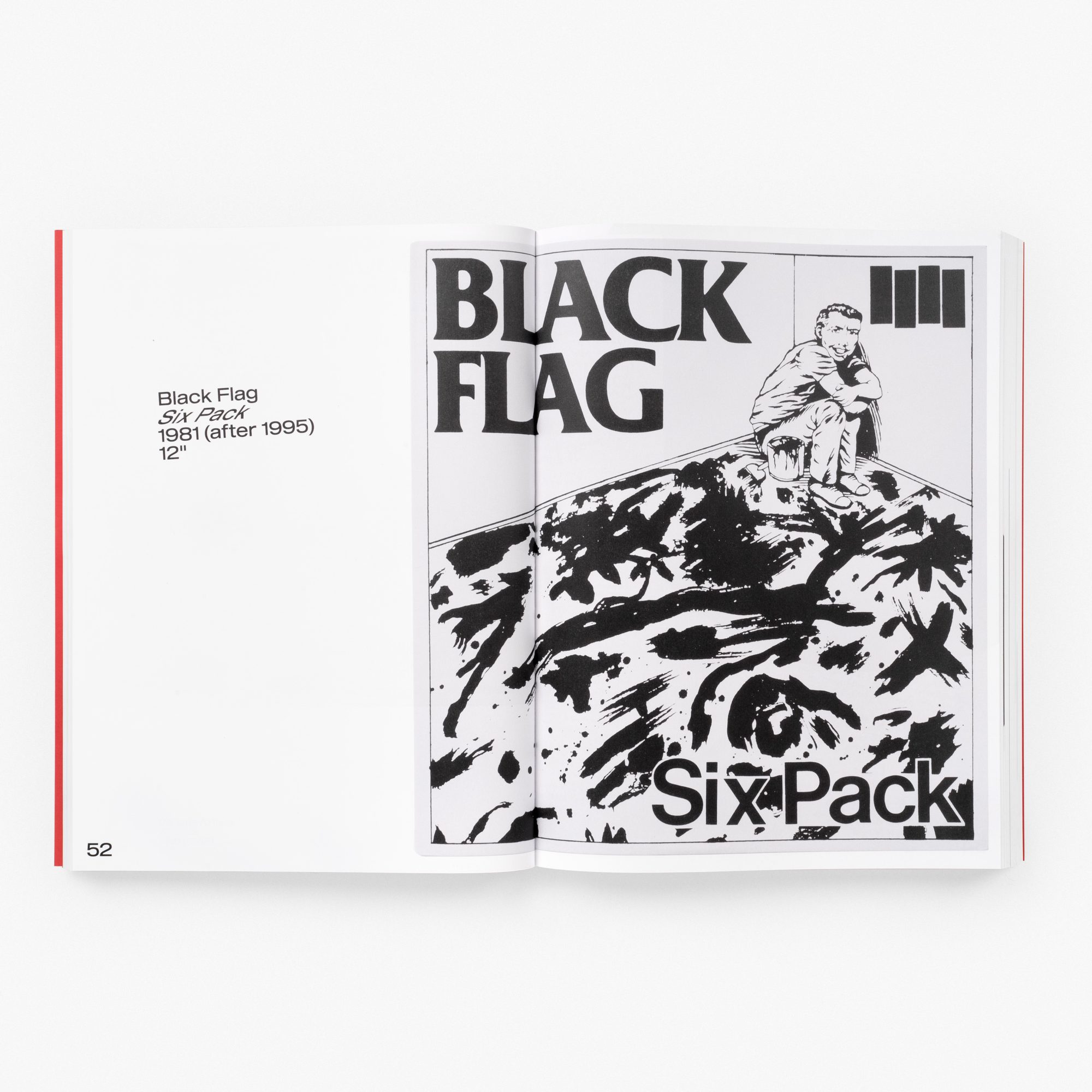
What I can say with this new book of his record covers, Nervous Breakdown: Raymond Pettibon: Album Covers, published by David Zwirner Books, is that I have come full circle to lick the dirty boot of this synthesis between outsider and insider, predominantly as it is hard to ignore the magnitude of such a project of collecting and exhibiting the ephemera and original work of Pettibon, by collector Stefan Thull at the WIlhelm-Hack Museum. It is a beautifully haggard opus of one man’s didactic embrace of American culture in these vital times, and a reminder of youth, skepticism, and the possibility of confrontation. Despite its lavishness, this is a firm reminder that an artist’s vision can continually challenge the monolithic presentation of subjects such as America, exposing its vast insecurities and problems while also paying homage to it. I mean, if it were not flawed, would it be entitled to such dialogue? The catalog, for people such as myself, has a bit of nostalgia attached to it, but in that nostalgia is a central theme of artists like Pettibon: defiance and the questioning of the established order, something that we seem to have forgone for the sake of expedited delivery and work-from-home shades of antidepressants.
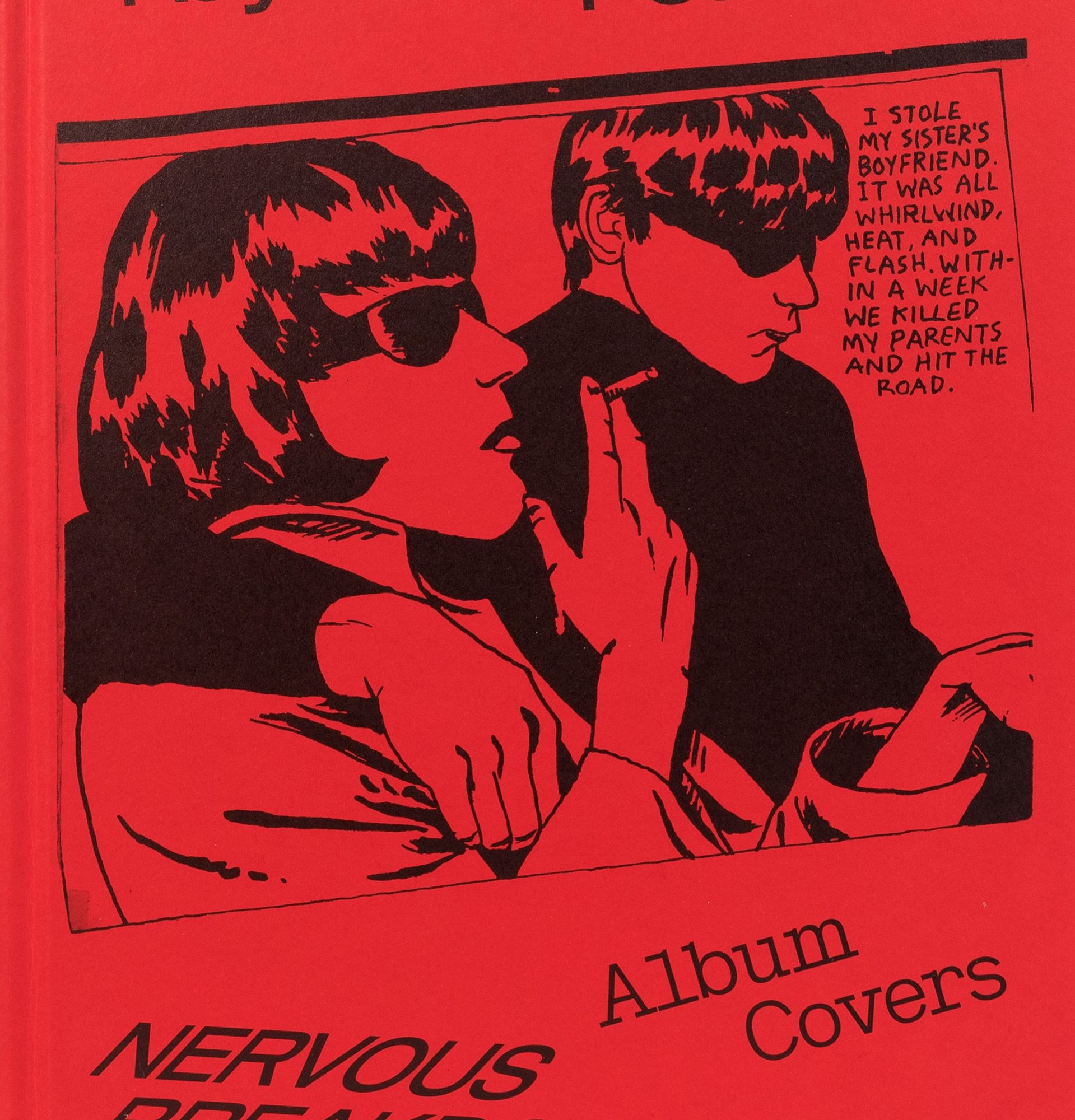
No doubt, the Pettibon heads will enjoy this book, but I think if you are a music fan or were around between 86-96, you will recognize some of the golden honey of it all within. It is easy to get caught up in, and, as a record of one of America’s least conventional contemporary artists, it reveals the essential nature of escaping the art world and entering the cultural world of production. I could not recommend it more. If anyone were to escape into the world of contemporary art with an axe, I am forever entertained by, and happy that it has been, Raymond Pettibon, an artist so under-the-skin that it bears substantial remark about whether or not the audiences he oscillates between fully understand the power of his movements and work. Highly Recommended.