
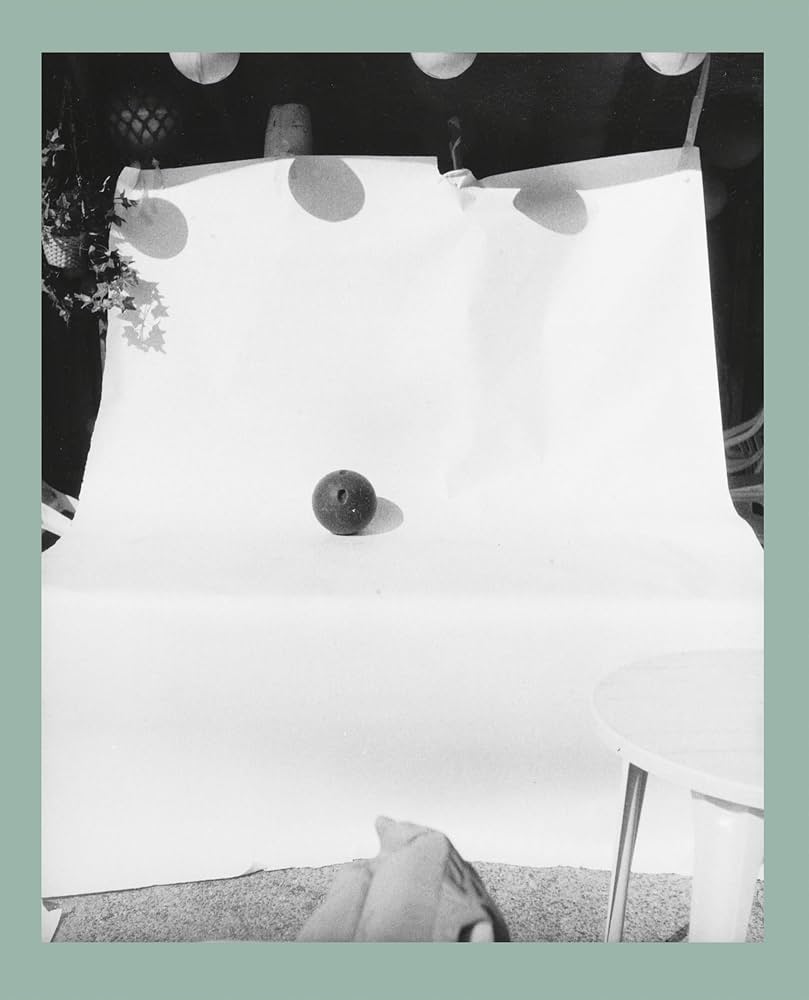
Sure, why not? Technically speaking, or at least relatively speaking, this is a kindly trove of American sculpture, itinerant in feel, something like an archaeological project that hints at Irving Penn, Avedon, and the side of Walker Evans people like to speak about ad infinitum as if we were all to marvel at the notion of tools separating us from the thumbless paws of beasts. Perhaps it goes beyond that to remark on the anonymous nature of shuttling back and forth to geographies of toil, distancing the body from its economic entrapment, if but for a fleeting moment, to be recognized, seen, and ultimately documented. But, within the realms of approximation, reasoning also suggests that it is kindly trove of shape, object, gravity, and weight culled from the celluloid tranche of one of the world’s greatest living sun-chainers. I am aware that my definition of what it could all be is veiled in an arrogant type of communication that belies either a serious form of pessimism or a relational digression toward the pretense of art. When in Marghera, eh?
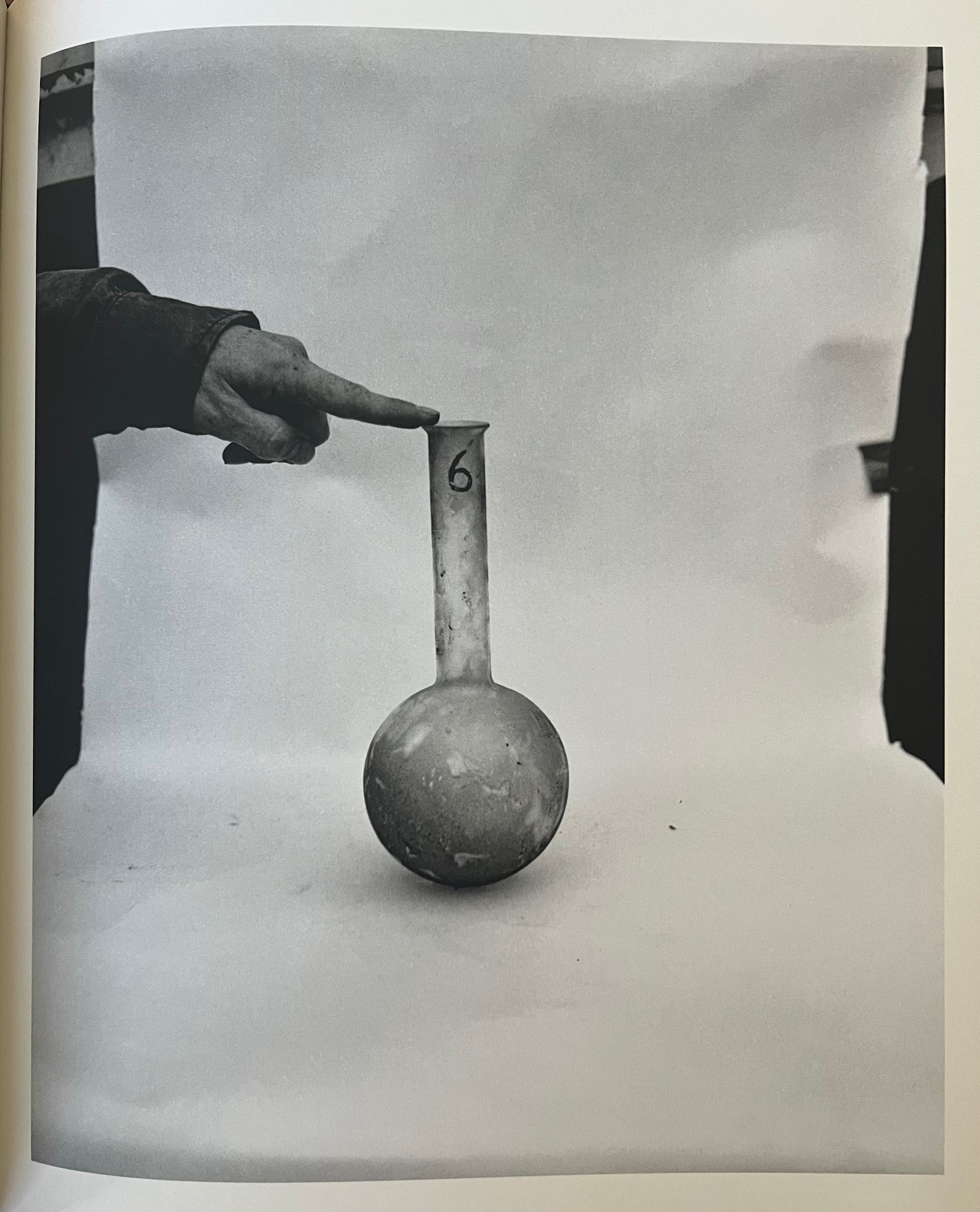
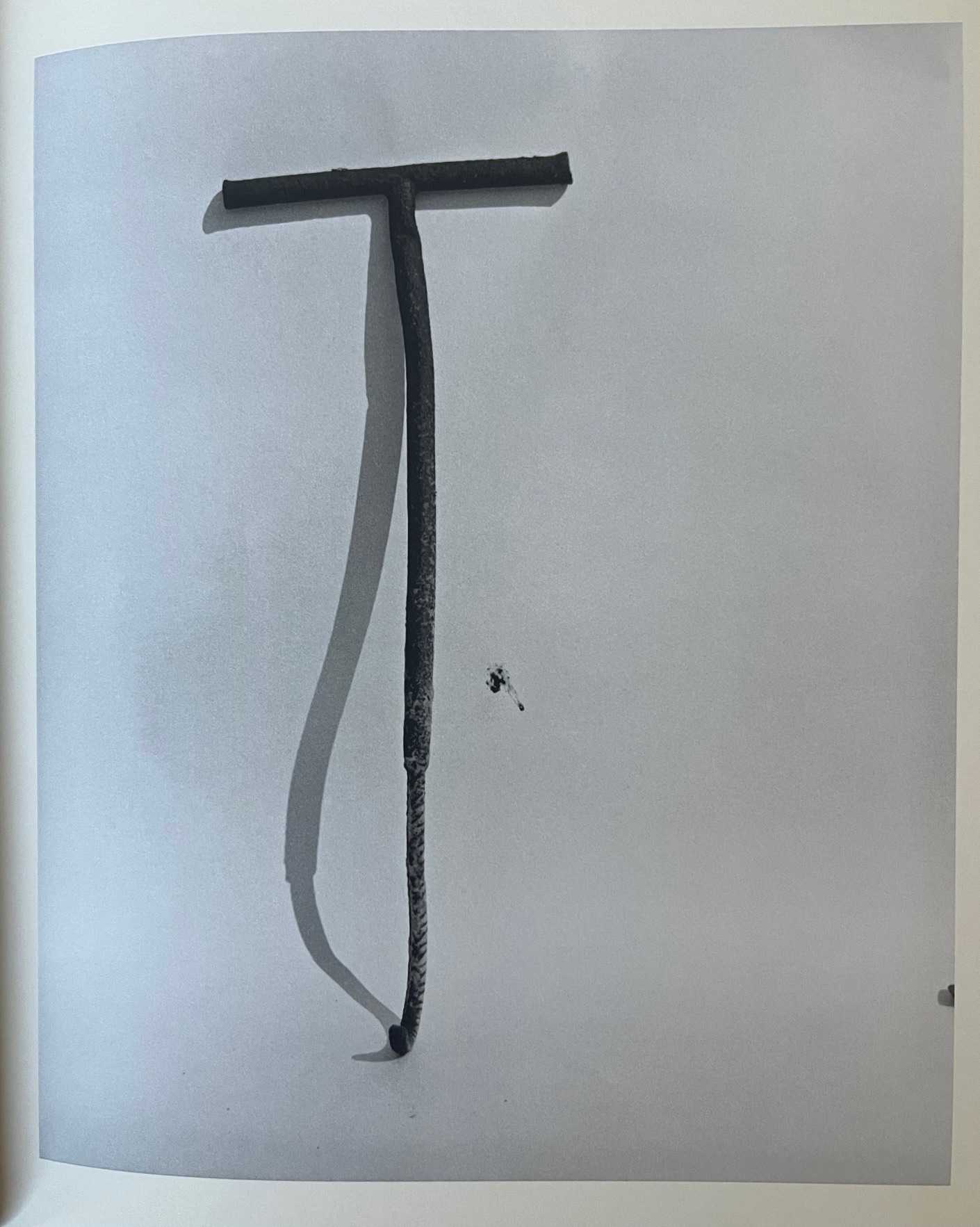
 An Abridged Dictionary of Sculpture (Steidl/The Agency, 2026) is a book of objects photographed by John Gossage over the years, placed on a white piece of paper, similarly to Avedon’s American West, or a 19th Century tuntype studio on wheels, pulling up to each town and in haste, placing a simple white backdrop against the rallying side of a barn to make pictures of the locals and possibly extract a tooth for an extra bit of shine. The white backdrop in this case becomes part of each image and is used rather brilliantly at times, with hands entering the side of the frame, with focal bleed as an object comes closer to the photographer, the focus otherwise thrown to the object further in the background. I believe a piece of white paper even makes the grade for some white-on-white crime. Many of the sculptures/objects from Arghera can be found in The Romance Industry, one of Gossage’s most significant titles from 2002, and it is, in my opinion, one of the finest books from his essential period. That work has several other chapters that elicit a sense of labor. One finds Gossage often reluctant to mention politics or ideology in his work, but when you kick a rock, it is pervasive: from Empire to There and Gone, even Map of Babylon deals with D.C. as a central cacophonous hub of political voices. His Berlin work is vital to this posture, and even his books Secrets of Real Estate and Nothing hint at capitalism, geopolitics, and ideology, respectively, even if he were to deny it.
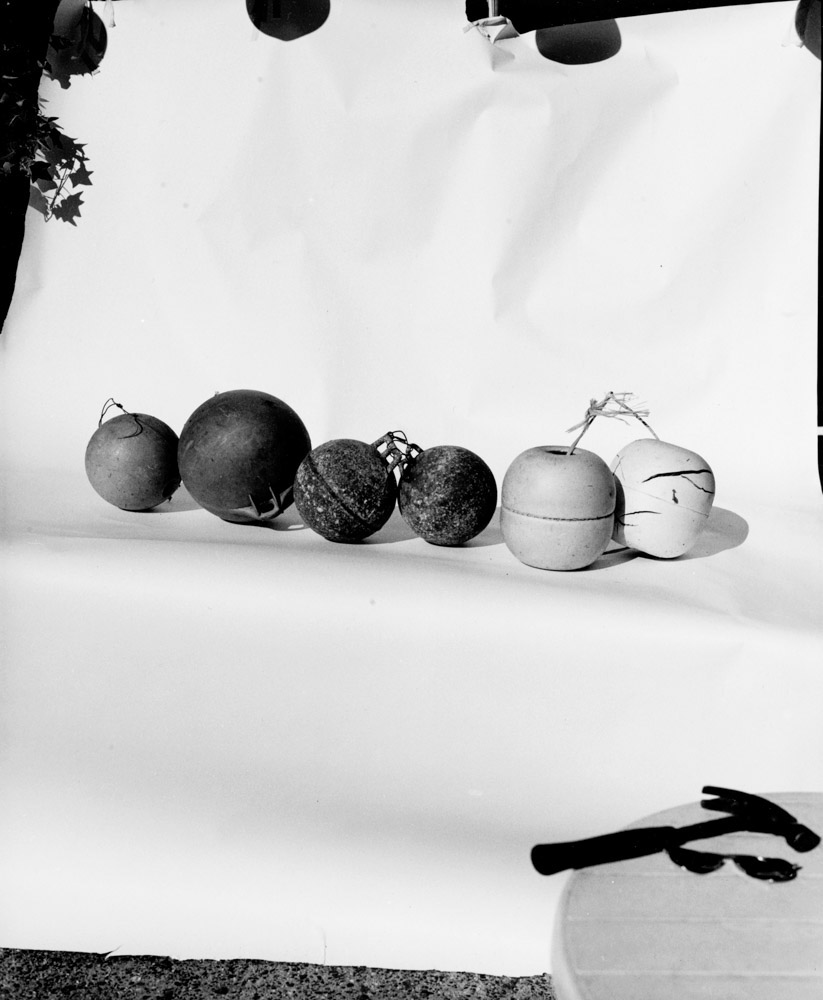
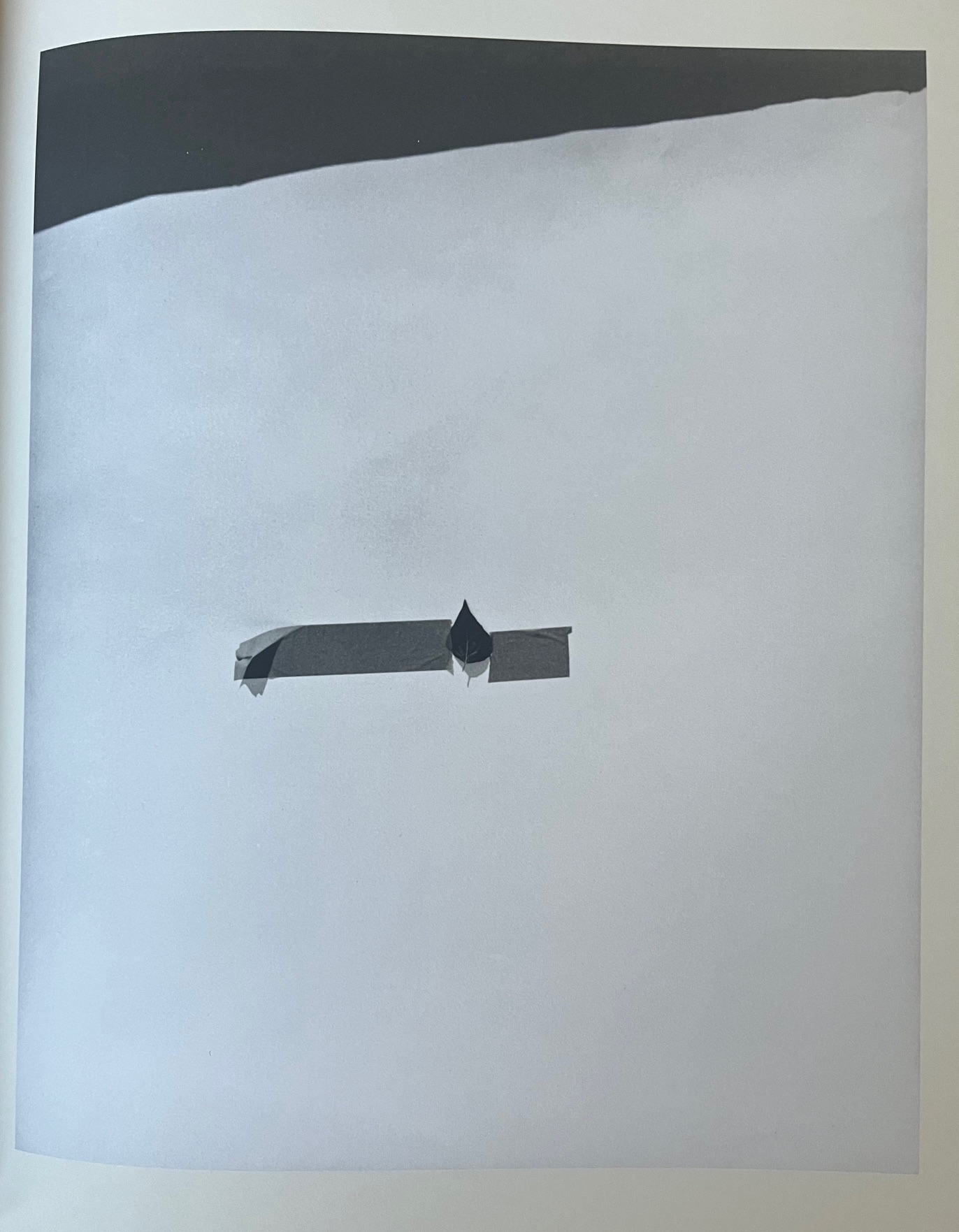
This clever use of objects related to industry, its mechanical nature, and its byproduct made The Romance Industry something extraordinary, along with the more extensive imagery from Italy (and perhaps other climes). With its placement in this book, and its extended series of similar pictures from a broader series of locations and subjects, the book is asking the viewer to understand the itinerant study of objects as something less related to labor and politics, and more related to art, a motivation that is ever-present in many of Goassage’s books. Often, if you follow along, mentions of Cy Twombly, Jasper Johns, and his immense book collection all refer to a relationship with painting and sculpture that is as in-depth as it is in photography. In fact, his recent exhibition at Large Glass Gallery in London, John Gossage: From the Garden to the Darkness, 14 Mar —29 May 2026, had several works from his book Who Do You Love, which also use what he refers to as “elements”, pieces of paper, affixed to the mount in which his photographs appear, the result being something vaguelly collage-like and evoking a deep affinity to painting. I wonder if John ever dared to wield a brush, given. I present this as I think it’s fair to suggest there is a sympathy behind what I observe as political motivation in his work, and the pure desire to allude to other artists’ mediums. Does it preen a bit in such a blatant address? I will admit it does, but not enough to take away from the pictures.
Gossage is also a bookmaker with a very interesting use of graphic design, which I often feel harkens back to the 1930s. I am thinking of Bauhaus book design, particularly the use of multicolored bars illuminating numeration and type, similar to the work of László Moholy-Nagy, Jan Tschichold, and others. There is an interesting use by Gossage to illuminate the page with a type of concrete adornment in these highlights, as well as offsetting his images against a soft yellow paper background, which he has followed in many projects over the last 30 years, with There and Gone (1997) being a prime early example. This choice to relieve his photographic image from the page again suggests that we see the photograph in the book slightly differently than we do ont the wall. In the book, it can interact with the book’s layout and physicality differently than when presented in frames, elements aside. Gossage is a strangely great designer, though he gets there by being unconventional, and I am positive he designs for other artists and photographers, not for designers, who I am sure find his choices amateurish ont the surface, not understanding exactly how it activates the photography if they are not deep into the culture of photobooks. I do not always find the choices enabling, but historically, it ties John’s later books together in an interesting and identifiable way. So much so that seeing it applied to Raymond Meeks’ new book has been one of shared identity, but more on that later.
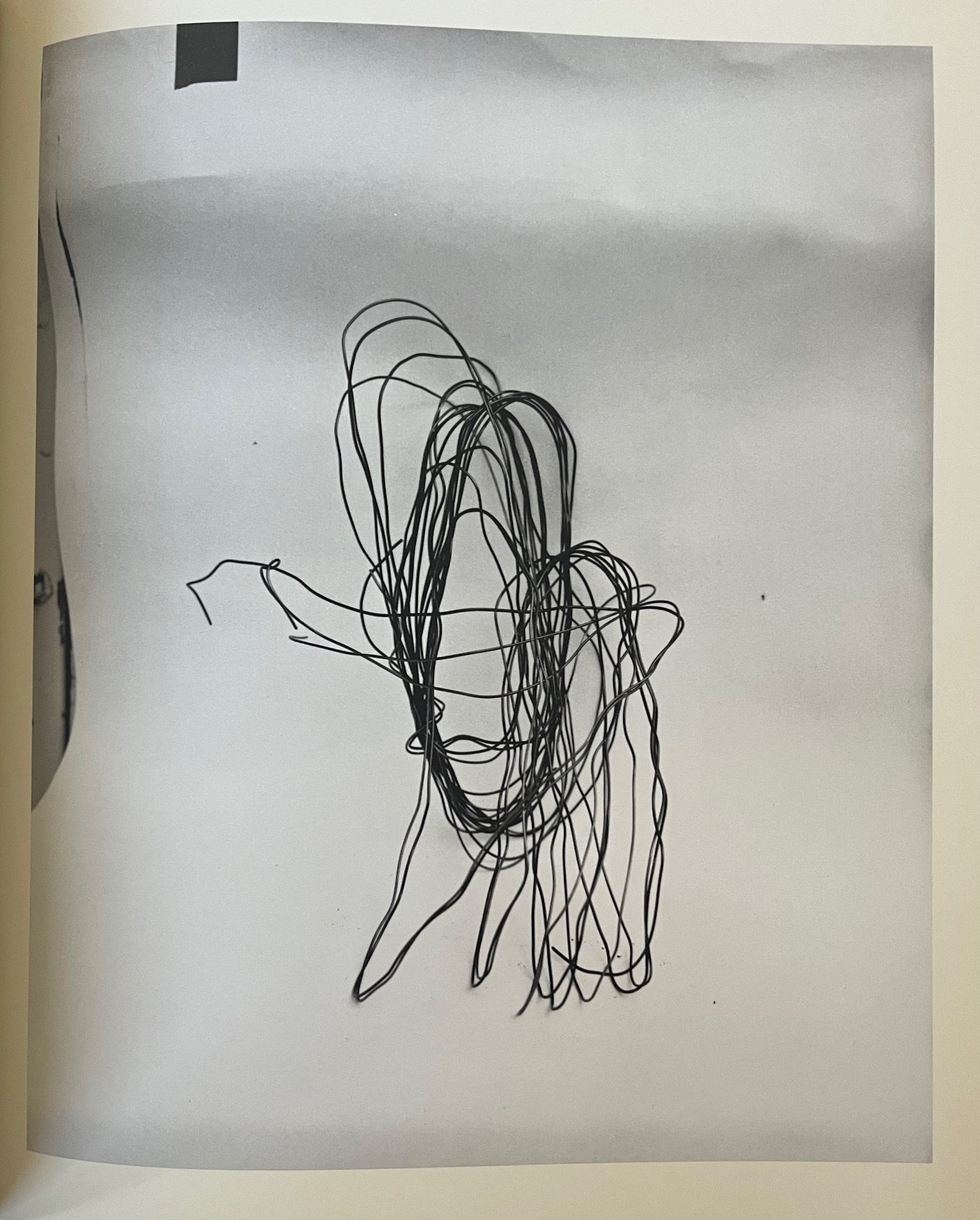
All in, I think this is a good Gossage title, but I wish, for his legacy and audience, that he had tried to find a way to reprint The Romance Industry under this title. Perhaps it is too complicated. Perhaps Nazraeli wishes to do so later. I do not know. If you have not seen that book, this is a nice indicator. If you have that book, as I do, this feels slightly less, by comparison, and the unison of images, though implicit in the dictionary (without description), doesn’t expand much on what that chapter in The Romance Industry already accomplished, but with better printing, of course. I have no idea what is up with Steidl. This is allegedly one of three new books produced by The Agency and Steidl, of the eighteen new titles I have read about. Let’s see what happens. I would not be surprised if we see 15 other titles under the Agency/Little Steidl imprint. Either way, this work comes from Gossage’s fecund period of production, so it is worth picking up for fans or those who never got a chance to see The Romance Industry. I find it a little glib, but for the most part, there are only lesser or better great Gossage books out there, so the juice is definitely worth the squeeze.
John Gossage
An Abridged Dictionary of Sculpture
The Agency/Steidl