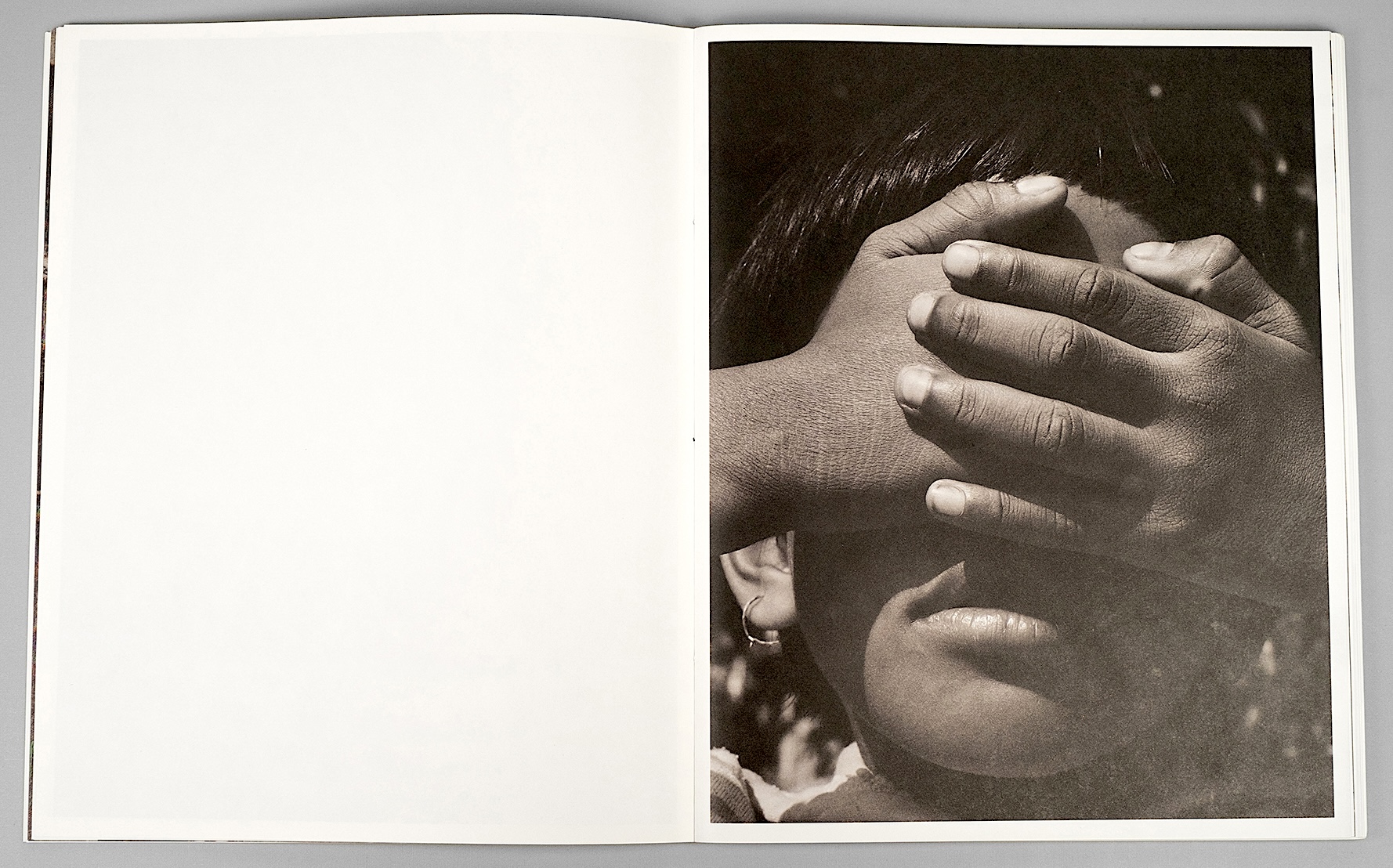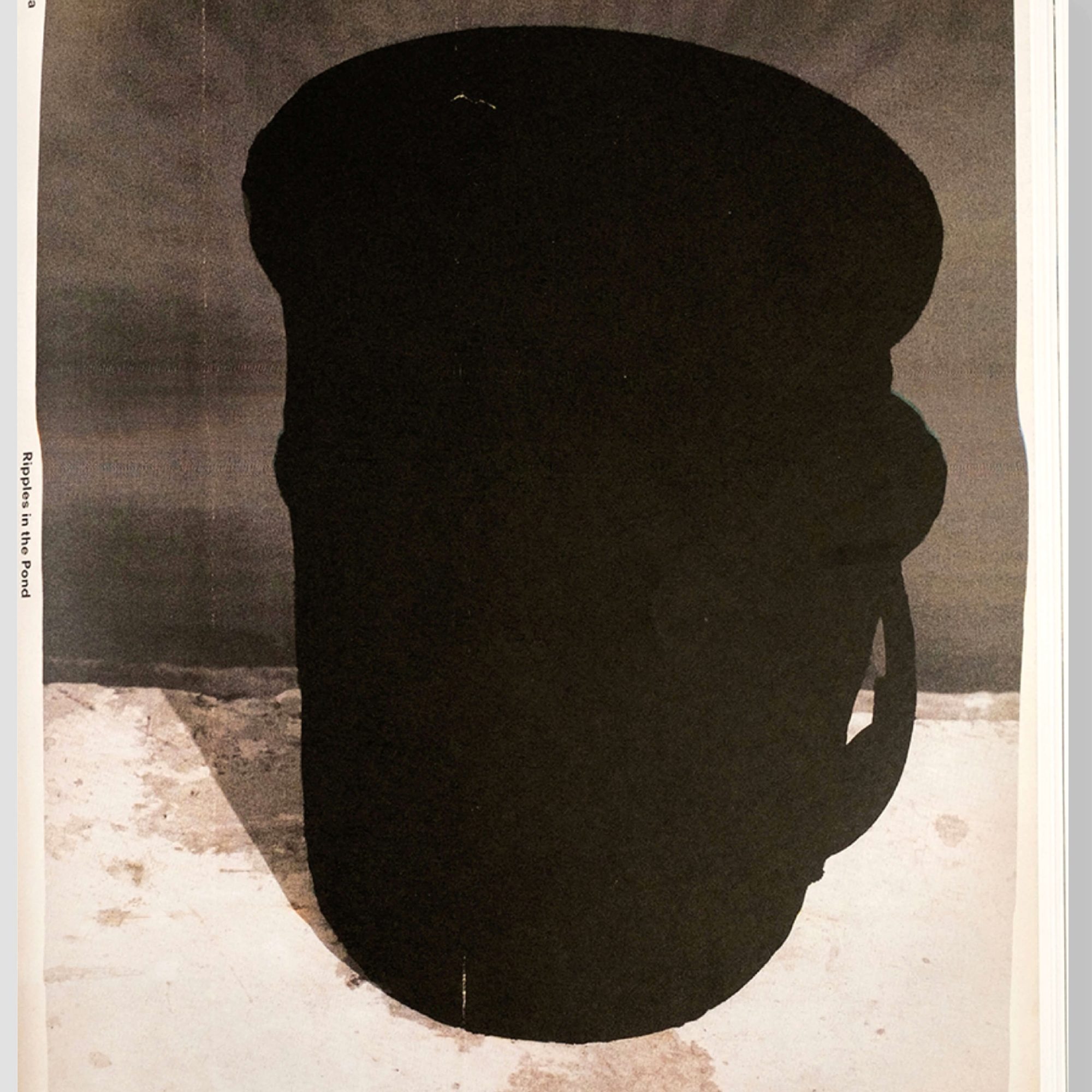
You have to admire the rise of Bharat Sikka’s career over the last decade. I have had the opportunity to speak with him several times, both about his practice and his interest in book-making. One of the exciting things about Bharat is that he has been working for a long time, but it wasn’t until his book The Sapper, published by FW: Books, that his work became more visible. Ostensibly, it is a book about a father and a son. Still, it also crosses over into the deep territory of family performance and iterative forms of image-making, from found sculpture to collage, as featured on the cover, and both are the result of the artist and his father acting in collaboration.
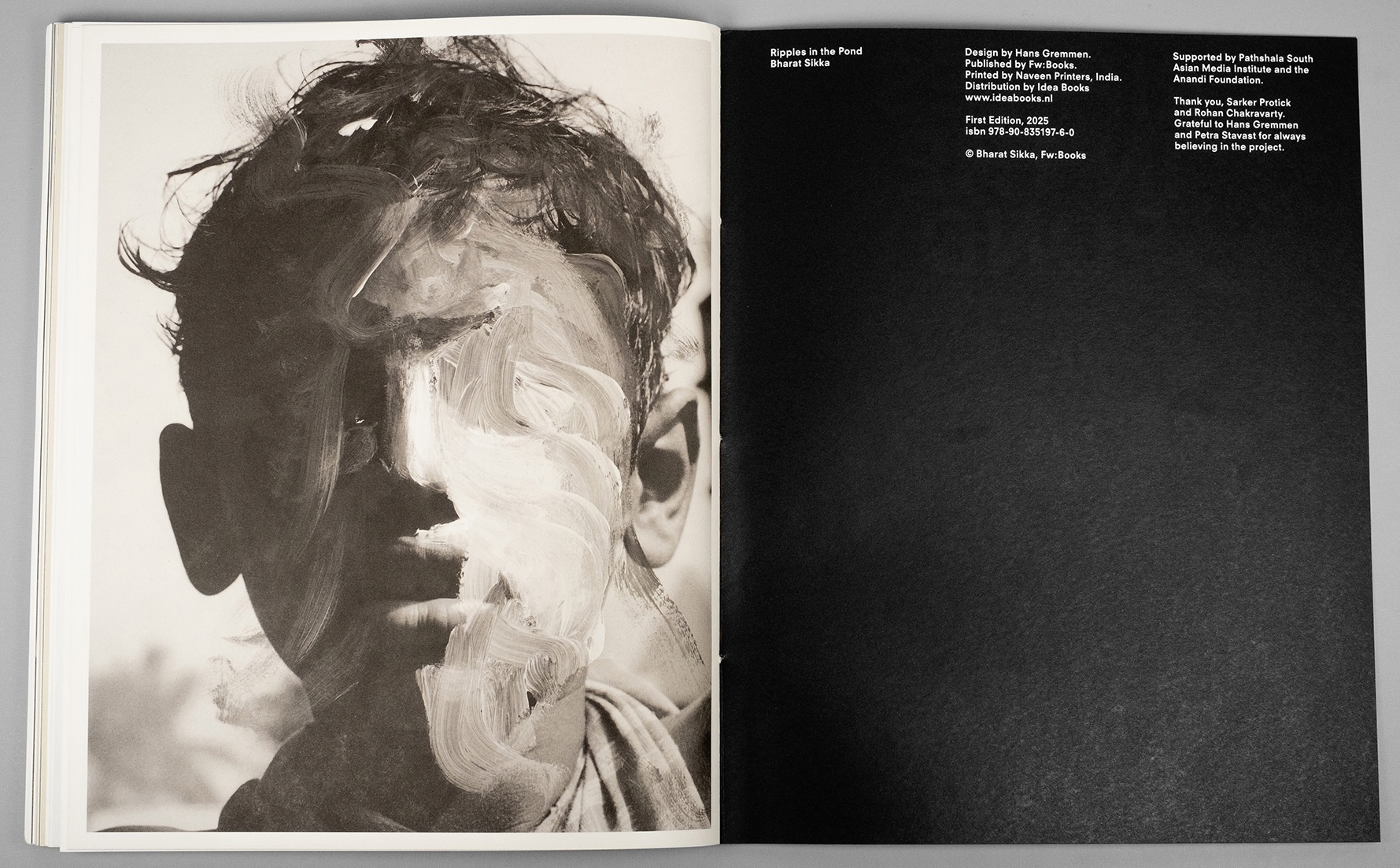
Other books and bodies of work include more books with Hans Gremmen of Fw: Books, a partnership that has been incredibly beneficial to both parties as it allows a great artist from India a chance to work with one of Europe’s most impressive designers, while also giving FW: Books subject matter and collaborations outside of the Eu zone, widening the catalog of the publishing house. I think this has been incredibly fruitful for the working conditions of making books together, and books are indeed being made. Ripples in the Pond marks three books produced by Sikka and Gremmen within one year, along with the artist’s LV Travel Eye book on Rajasthan, which is also recent. Of the three books, Sikka’s And Then, I believe, is an underrated gem in the Fw: Books catalog, simple, precise, and with an interesting, overwhelming use of red pages that I have since seen copied. I find the work incredible and have covered it here previously.
When considering the LV book and his And Then volume with Gremmen, one thing works as a through-line to some of Bharat’s process: place. Sometimes cultural signatures regarding the memory of a place, whether through personal experience or cultural memory, as is the case with his new book. What makes Bharat’s process enjoyable for me is that he has spoken about how he dips into his vast archive to create new bodies of work and that he is enjoying putting the work together in a way that feels thoroughly contemporary, not dated, and with this, he can retrofit archive pictures to fresh books.
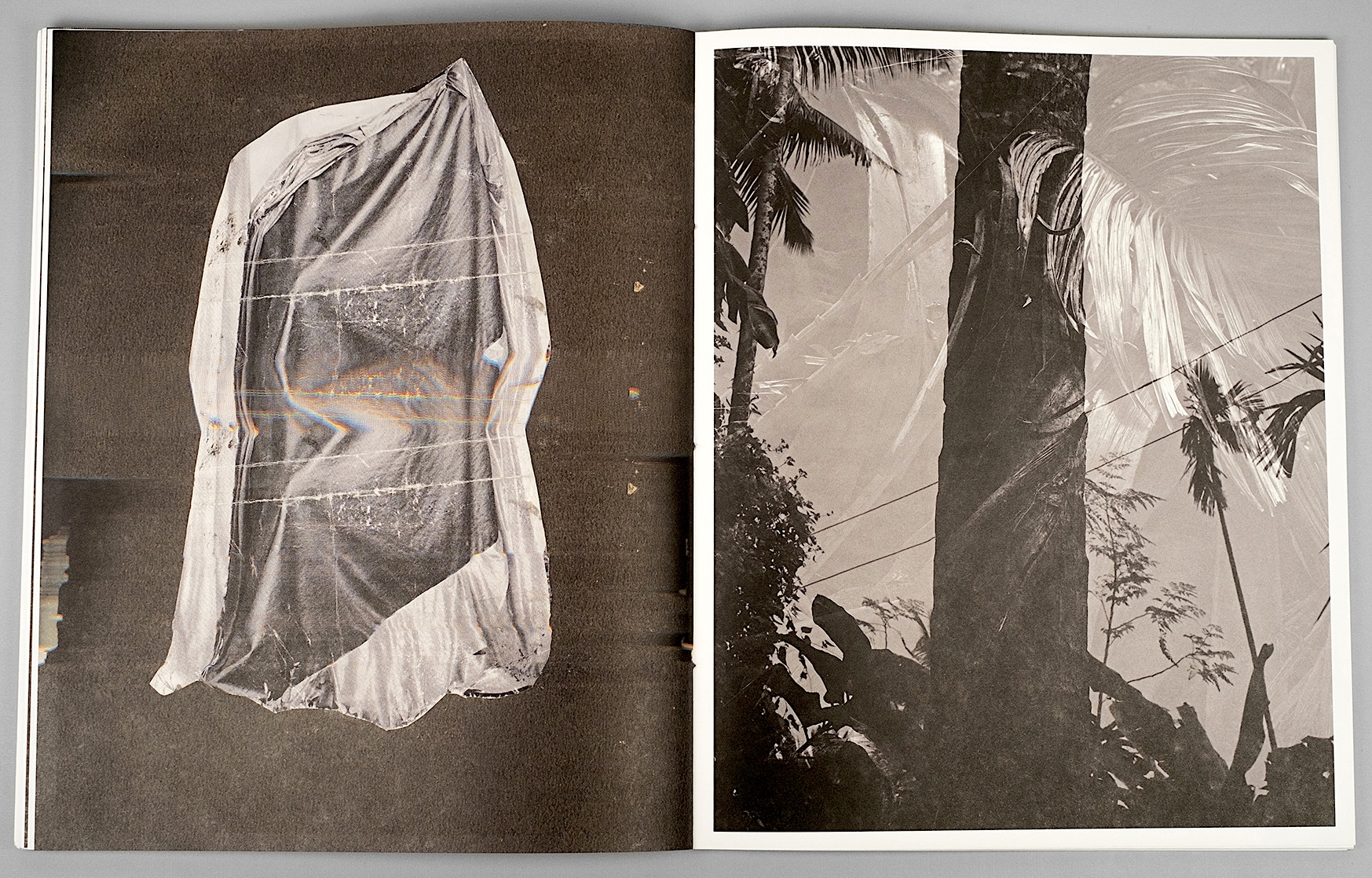
This allows him to play with creative/image memory. In the case of Ripples in the Pond, Sikka has returned to the landscape of Makharda, a geography marked by twenty ponds, just on the outskirts of Kolkata. This landscape is significant for Sikka and others as it was also used as a demarcated space for ‘Malgudi Days’, an 80s Indian sitcom, that is embedded in the cultural memory of the sub-continent. Sikka returns to the location and initiates a contemporary investigation of its landscape, but also of its citizens, webbing the fictitious stage set with the reality of contemporary natives.
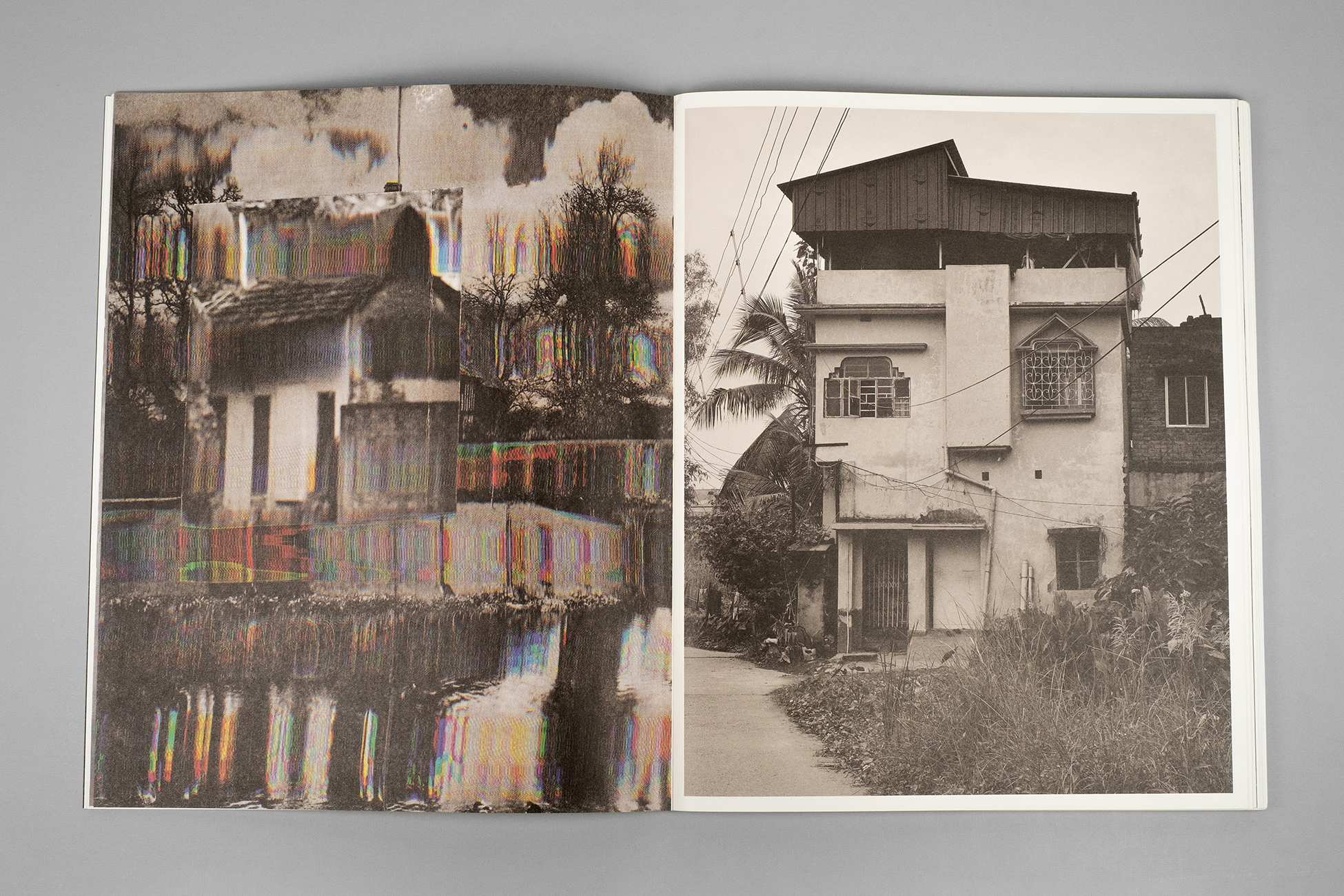
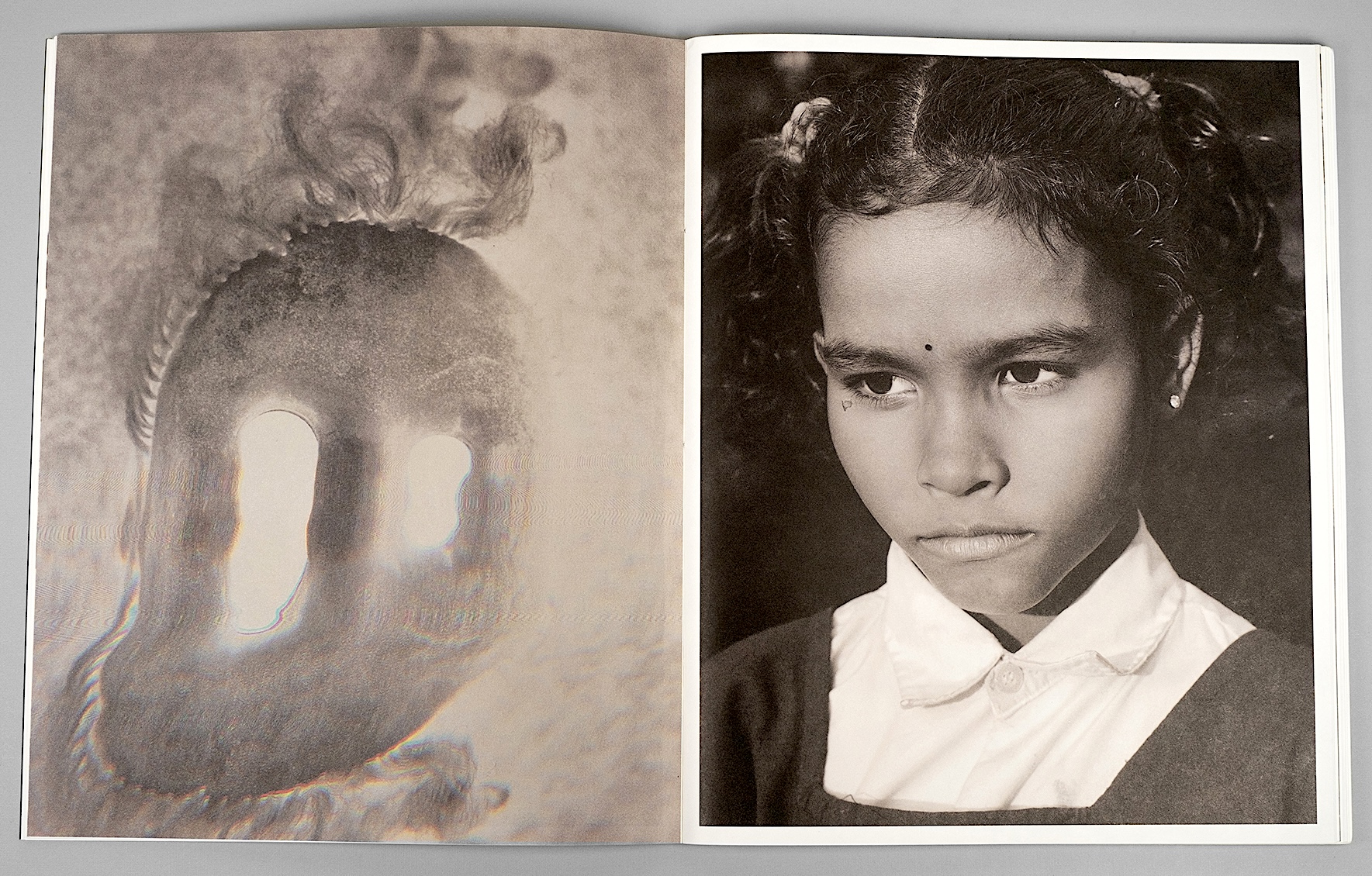
What makes the work significant is the use of a scanner with the images, which Bharat employs abstractly, dragging the photograph across the scanner’s surface as it reads the picture placed on it, creating a wavy, glitch-like image that most people who have scanned photographs will be familiar with. This stretches the image and creates an almost psychedelic surface reading of the pictures, tech-psych-glitch that plays with how we interpret the images within, making them feel slippery, non-compliant, and statistically relevant through the distortion of the base image.
In doing so, the artist is referencing computational screening and asks us to discuss the image through the meta-image it represents. It suggests something deeper, something akin to a simulated viewing of an image, which feeds into the discussion of how we interpret images fed to us from the past through YouTube, social media, and other digital means. These images are then fed into the “reality” of the more straightforward photography of citizens, and the odd sculptural object that also refers to the artist’s through-line in his work over recent years.
This is another in a series of essential books. Sikka has clearly risen to become a vital voice from India, and he shows no signs of slowing down his process or flow of books, and I am personally here for it. The collaboration between Greemn and Sikka is a winning one. Though I am curious what might happen with another publisher, I feel this relationship should be explored over time and that as long as it does not fall into repetion or pastiche, that this is where the synthesis between a great designer and an artist with fascinating vision converges to produce an object which exemplifies the best of both, in opposition to many books that are overdesigned and inw hich the artist’s voice suffers for it—highly Recommended!